
Overview of precast concrete drainage channels
Key features and materials
Urban drainage moves with a quiet, uncelebrated elegance. As one engineer says, “The streets rise on foundations we barely notice.” In South Africa, precast concrete surface water channels embody this philosophy, delivering reliable flow, faster installation, and a poise that speaks to civic resilience.
An overview reveals factory-made sections that snap together with precision, resisting the trials of sun, rain, and freeze-thaw. These channels are designed for smooth, self-cleaning flow and seamless joints, reducing maintenance cycles and downtime.
- High-strength reinforced concrete
- Durable interior linings and corrosion-resistant fittings
- Precision seals and gaskets for watertight joints
Design standards and compliance
“The streets rise on foundations we barely notice.” In South Africa, precast concrete surface water channels quietly steer urban drainage, delivering reliable flow and faster installation that supports resilient cities. This form of infrastructure feels like patient architecture—practical, durable, and quietly confident in its role.
Design standards and compliance anchor every project. Manufactured sections are sized, tested, and shipped to maintain consistent cross-sections, seamless joints, and a predictable flood path. A well-specified system of precast concrete surface water channels emerges from this discipline, guided by local standards and municipal approvals that ensure watertight joints and durable performance through sun, rain, and freeze-thaw cycles.
- loading and durability considerations for municipal networks
- joint tolerances, seals, and overall watertight performance
- corrosion resistance, interior linings, and compatibility with fittings
Typical sizes and configurations
Storm-season in SA cities tests the line between chaos and order. A kilometre of well-layed precast concrete surface water channels can keep streets navigable while rain drums the roofs above! Factory-made sections arrive with precise cross-sections and seamless joints, ready to drop into the urban grid like modular bricks built for water’s quiet, predictable path.
Typical sizes and configurations include:
- Rectangular channels with standard widths from 150 mm to 600 mm and depths from 150 mm to 450 mm
- U-shaped channels for curb drainage, typically 300 mm to 900 mm wide
- Sloped or inverted channels for controlled flow, with integral inlets and outlets
- Multi-section or modular units, available in 1–2–3 m lengths for seamless runs
In South Africa, precast concrete surface water channels thread through urban upgrades with modular ease, ensuring steady flow and simple connections to existing fittings in municipal networks.
Lifecycle and durability considerations
Across South Africa’s storm seasons, precast concrete surface water channels arrive factory-quiet, ready to slot into the urban grid. A kilometre of well-laid channels can keep streets navigable through a 1-in-20-year storm—an elegant quiet in the rain. They carry rainwater beneath streets with unassuming grace—module by module, a calm, predictable path for runoff that respects traffic and sidewalks.
The lifecycle begins with precise installation and continues through decades of service, thanks to robust joints, sealed inlets, and corrosion-resistant reinforcement. In SA, longevity hinges on proper curing, accurate mix designs, and protective finishes where coastal salt or road deicers threaten performance. The modular system also eases maintenance, with sections swapped in minutes rather than days.
Durability hinges on a few guardrails—quality mix, proper curing, and tight joints that keep water out.
- Quality concrete mix and curing
- Joint integrity and watertight seals
- Chloride resistance, UV exposure and abrasion
Applications in infrastructure and urban drainage
Stormwater management in roads and highways
Storm events are altering the urban skyline, and the consequence is clear: flood-prone streets demand reliable, cost-effective channels that endure. In South Africa’s rapidly expanding cities, precast concrete surface water channels offer a decisive edge—structured, install-ready solutions that invert the odds during heavy rainfall.
These precast concrete surface water channels thread through road corridors, courtyards, and industrial parks, shaping surface runoff into controlled, predictable paths. The result is a safer cityscape and a drainage system that ages gracefully rather than failing when storms arrive.
Stormwater management in roads and highways benefits from modularity, quick installation, and compatibility with inlets and trench sections.
- Rapid deployment and reduced traffic disruption
- Consistent hydraulic capacity and low maintenance
- Durability under vehicle loads and climate stress
Industrial and commercial drainage solutions
Storm-sculpted cities in South Africa face 20% sharper downpours, demanding drainage that behaves like an underworld. Their precast concrete surface water channels stand as sentinels—cast once, guiding sheetflow through urban canyons with dignity. They thread beneath roads, courtyards, and industrial yards, turning chaos into order through gravity and precision.
Applications in infrastructure and urban drainage span districts and corridors. They serve road arterials, pedestrian precincts, and industrial parks, where heavy vehicles demand order. They strengthen industrial and commercial drainage solutions, equipping commercial estates, basements, and loading zones, ensuring predictable runoff and safe access.
- Municipal streets and public plazas
- Industrial parks and distribution centers
- Commercial complexes, parking structures, and loading zones
Engineers value the modularity and rapid installation of precast concrete surface water channels. They pair with inlets and trench sections, aging gracefully under climate stress while keeping water on its appointed path. In rising rainfall, they anchor resilience.
Urban retrofit and upgrading projects
South Africa’s urban drainage is aging like a fine cheese, but retrofit projects are the antidote. In pilot programs, precast concrete surface water channels have delivered noticeable reductions in peak runoff, keeping streets open even after stubborn downpours. These channels act as quiet sentinels, guiding sheetflow through urban canyons with calm dignity and predictable gravity.
During urban retrofit and upgrading projects, the channels slot into existing networks with minimal excavation, tying together old culverts, inlets, and trench sections. They enable upgrades across municipal streets, plazas, and enterprise zones without tearing the city apart.
- Road corridor upgrades and resurfacing
- Public plazas and pedestrian precincts
- Industrial parks and loading yards
Engineers prize their modularity and the sedate speed of installation. Precast concrete surface water channels pair with inlets and trench sections, aging gracefully while steering runoff along its appointed path. In rising rainfall, they anchor resilience, keeping urban drainage orderly without turning construction zones into parking lots.
Pluvial and hydraulic performance considerations
Storms in South Africa have learned new swagger, but cities are learning to keep pace with calm engineering. These projects deploy precast concrete surface water channels as quiet sentinels that guide sheetflow with an almost aristocratic poise. When rain returns in force, they shoulder the surge without fanfare, turning chaos into orderly carriage.
Applications in infrastructure demand attention to pluvial and hydraulic performance. Three key considerations are:
- Standards-compliant cross-sections for efficient conveyance
- Hydraulic efficiency and headloss control to prevent surcharge
- Accessible inspection and maintenance for long life
Modularity and speed of installation make them attractive for road, plaza, and industrial site upgrades across SA towns. They slot into existing networks with minimal disruption, while aging gracefully and preserving urban aesthetics!
Manufacturing and customization options
Casting methods and quality control
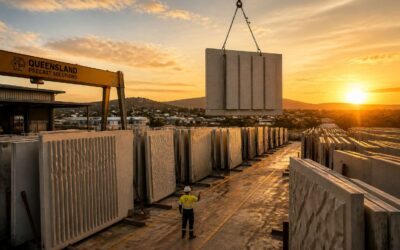
In flood-prone urban arteries of South Africa, precast concrete surface water channels speed projects to completion—experts estimate up to 40% faster installation compared with traditional on-site pours. Manufactured in climate-controlled plants, these channels are tailored to exact site needs, offering precision not easy to achieve in the field!
Methods range from streamlined stationary casting to modular segment fabrication, all guided by controlled curing and meticulous quality control. Casting beds, formwork, vibration, and tailored curing regimes ensure dimensional accuracy and consistent strength. For customization, manufacturers offer options including coating choices, joint types, and surface textures to reduce abrasion and improve hydraulic performance.
- Joints and couplings compatible with existing drainage networks
- Surface textures and anti-slip finishes
- Different load ratings and end fittings
Across South Africa, suppliers emphasise traceability, non-destructive testing, and QA documentation to satisfy design standards while keeping installation windows tight. The result is a turnkey component—the precast concrete surface water channels—that slips neatly into urban fabric, performing under varied weather and traffic loads.
Custom geometries and inlet/outlet configurations
40% faster installation isn’t a slogan; it’s the truth when precision meets plant-floor manufacturing. In South Africa’s flood-prone urban arteries, precast concrete surface water channels are crafted in climate-controlled facilities to exact site geometry, then shipped ready to install. That off-site control delivers consistent form, tight tolerances, and a fit that feels almost supernatural—like the city finally learning to breathe with the rain.
- Custom geometries and invert depths: rectangular, trapezoidal, and circular cross-sections tailored to flow and alignment.
- Inlet/outlet configurations: end, side, corner, or multi-port connections to match existing networks.
- Finishes and joints: anti-slip textures, abrasion-resistant coatings, and design-appropriate joint systems for durability.
Beyond basic shapes, customization covers inverts, access points, and finishes tuned for local debris and abrasion. These choices translate into a reliable hydraulic path that slots into the cityscape and moves water with minimal disruption, season after season. In the end, the precast concrete surface water channels stand as a quiet backbone of urban drainage that South African cities rely on.
Surface finishes and slip resistance
Manufacturing precision in climate-controlled plants translates into safer, longer-lasting channels. With precast concrete surface water channels, customization doesn’t stop at size; it touches the texture of daily urban life—reducing maintenance, accelerating installs, and giving engineers a quiet confidence as storms gather. In South Africa, off-site fabrication meets on-site realities, ensuring a seamless fit across variable streets and flood-prone corridors!
- Anti-slip textures tailored to pedestrian and vehicular loads
- Abrasion-resistant coatings that extend service life
- Design-integrated joint systems for debris filtering and easy maintenance
Together with tailored finishes, the flow remains predictable: a quiet hydraulic path that resists debris and wear, breathing with the city’s rain. The result is urban drainage that slips into the fabric of streets and parks—reliable, resilient, and ready to meet tomorrow’s weather.
Modularization and installation efficiencies
Manufacturing thrives on precision; modularization tailors precast concrete surface water channels to exact site constraints, reducing on-site weather exposure and labor. Field data from South Africa projects shows 30–40% faster installs with off-site fabrication.
Customization options evolve from design to delivery. A design-to-delivery workflow scales with standardized modules that guarantee a snug fit once landed on site, keeping noise, traffic disruption, and debris management in check for precast concrete surface water channels.
- Modular channel lengths and stackable inverts
- Plug-and-play joints and gaskets for rapid assembly
- Integrated lifting points and handling aids
As cities grow, the moral charge is clear: design with the river, ship with the wind. Modularization makes projects less a gamble and more a trusted ritual, where every component mirrors responsible construction.
Installation, integration, and performance
Site preparation and handling
“Engineering for resilience isn’t optional—it’s a mandate,” declares a South African civil engineer, and precast concrete surface water channels stand as the argument. In urban areas, storms test drainage systems; now, these modular channels offer speed, durability, and predictable performance when the rain comes. Cast in controlled plants, they reduce variability and deliver reliable hydraulic behavior, even as rainfall patterns intensify across the country.
Installation, integration, and performance hinge on thoughtful site preparation and careful handling. Precast concrete surface water channels are designed to slot into existing grids with minimal field finetuning, reducing downtime and disruption. On-site readiness, precise alignment, and compatible inlet/outlet interfaces matter more than raw size.
- Alignment with existing drainage networks and inlets/outlets
- Stable bedding and gentle handling to protect joints
- Accessible inspection and maintenance clearances for long-term performance
Joining systems and seals
Storms march through urban canyons with no warning. Engineering resilience isn’t optional—it’s a mandate. Precast concrete surface water channels answer that call, cast in controlled plants to reduce variability and deliver reliable hydraulics when rain intensifies. They slot into existing grids with minimal field finetuning, easing downtime and guarding joints from grit.
Joining systems and seals are the quiet guardians of performance.
- Bell-and-spigot joints with resilient gaskets for watertight connections
- Flange couplings that tolerate minor misalignment without leakage
On site, stable bedding and precise interfaces ensure seamless integration with inlet and outlet connections. When alignment holds, the system sustains predictable, durable performance through changing rainfall patterns.
Sediment control and filtration options
Rains arrive with no mercy, and urban runoff can triple sediment loads in peak storms. With precast concrete surface water channels, installation looks like a plug‑and‑play moment—stable bedding, precise interfaces, and sealed joints keep the system marching to the same tune, even when weather plays drums on the roof. In South Africa, that reliability translates to fewer closures and faster project turnover.
During handover, alignment tolerances are minimized with designed-in interfaces to inlet and outlet connections, so performance remains steady through changing rainfall. Sediment control and filtration options come ready to slot in—the goal is to trap debris without choking the flow.
- Inline sediment baskets for easily cleaned capture
- Removable filtration inserts that swap out quickly
- Adjustable weirs and baffles for dynamic silt control
As for durability, these setups endure South Africa’s sun and storms with confident grace, delivering clear water pathways and fewer maintenance headaches.
Maintenance access and inspection planning
Stormwater moves fast; a failed drain plan delays projects longer than a week of rain. With precast concrete surface water channels, installation becomes plug-and-play: stable bedding, precise interfaces, sealed joints that stay watertight from the first downpour to the last. In South Africa, that reliability means fewer closures and faster project turnover. Alignment is solved at handover by designed-in inlet and outlet connections, so performance stays steady even as rainfall patterns shift.
Maintenance access and inspection planning are built into the design. These channels offer clear exterior access points and safe interior routes, making routine checks predictable rather than disruptive. Local climate considerations in South Africa can be accounted for in the layout so that isolation points are ready when needed, keeping water pathways clear and serviceable.
- Accessible inspection ports with lockable covers
- Safe interior ladders and clearly marked walkways
- Modular cleanouts and quick-release connections for rapid maintenance windows
Installation timelines and cost considerations
Time is money, and in South Africa’s climate every rainstorm delays progress. These precast concrete surface water channels turn installation into plug-and-play: factory-cast segments, stable bedding, and sealed joints that welcome the first downpour without hesitation.
Delivery and assembly follow a disciplined rhythm because components are manufactured to exact tolerances. On-site labour drops as rapid-fit interfaces snap together with minimal adjustment. For SA clients, transport, lifting, and fittings are defined upfront, reducing budget surprises.
- Faster site readiness
- Less crane time
- Predictable procurement
Integrated performance follows installation: once aligned, these channels maintain flow as conditions shift, thanks to modularity and sealed joints.
Sustainability, compliance, and procurement
Recycled content and lifecycle benefits
Storm season in South Africa is a test of infrastructure, and resilience wins on longevity. As one Cape Town engineer puts it: “We measure resilience in decades, not seasons.” That mindset underpins precast concrete surface water channels, which combine predictable performance with on-site assembly. When installed with local materials and standard transitions, these systems stand up to frequent storm events and quiet maintenance.
From a sustainability lens, recycled content and lifecycle benefits guide procurement.
- Recycled content sourced locally reduces transport emissions and supports the circular economy.
- Lower embodied energy through optimized design and efficient casting.
- Extended service life lowers replacement frequency and total life-cycle costs.
These choices influence both compliance narratives and project budgets.
Compliance and procurement in South Africa hinge on traceability, standards alignment, and local content targets. Choosing precast systems with documented recycled content and robust lifecycle testing helps teams navigate procurement policies and environmental targets with confidence.
Codes, standards, and certifications
Storms across South Africa test more than infrastructure; they test the mettle of a city’s heart. “Resilience is measured in decades, not seasons,” as one engineer whispers from Cape Town’s ridge. That belief guides precast concrete surface water channels, offering predictable performance and on-site assembly that stand up to frequent deluges while sipping local materials into the design. Their lifecycle-friendly footprint aligns with both growth and stewardship.
In procurement, Codes, standards, and certifications chart the course. Traceability and local content targets anchor confidence, while robust lifecycle testing backs decision-making and compliance narratives. A concise snapshot of the essentials follows:
- Traceability frameworks across the supply chain
- ISO 14001 environmental management systems
- SABS marks and NRCS product certifications
- BBBEE-aligned local content targets
These elements turn sustainability into a tangible advantage—balancing risk, cost, and resilience in South Africa’s evolving landscape, where precast concrete surface water channels translate policy into durable performance.
Supplier selection and procurement best practices
Storms test more than drainage; they audit a city’s heart. In South Africa, extreme downpours are increasingly common, exposing how quickly aging networks falter. Sustainability in procurement reframes risk as a design parameter, and precast concrete surface water channels offer predictable performance and on-site assembly that adapt to frequent deluges while leveraging local materials. This lifecycle-friendly footprint makes them a steady partner for municipalities and developers alike, turning weather-driven challenges into durable assets.
Supplier selection and procurement best practices hinge on value over price and on performance over hype. Considerations include rigorous supplier vetting, transparent lifecycle cost analysis, and long-term support agreements that align incentives with service levels.
- Rigorous supplier vetting and performance verification
- Transparent lifecycle cost analysis and value engineering
- Long-term support and risk-sharing contracts
When these elements flow together, projects gain resilience and predictable maintenance, ensuring precast concrete surface water channels continue to perform as steady anchors in South Africa’s evolving stormwater landscape.


0 Comments