
Advantages of Using Precast Concrete in Commercial Construction
Durability and Strength
In the realm of commercial construction, few materials rival the resilience and longevity of precast concrete. When crafting a precast concrete office building, the emphasis on durability isn’t just a commendation—it’s a necessity. These structures stand as fortresses against the relentless march of time, withstanding South Africa’s diverse climate and seismic activity with impressive ease.
The strength of precast concrete is rooted in its meticulous manufacturing process, which ensures uniformity and superior quality. This consistency translates into a building that can endure the daily stresses of a busy office environment, reducing long-term maintenance costs and enhancing safety for occupants. The inherent robustness of precast concrete also offers excellent resistance to fire, pests, and moisture, making it an ideal choice for sustainable, long-lasting commercial spaces.
Moreover, the structural integrity of a precast concrete office building facilitates innovative design possibilities, allowing architects and developers to push creative boundaries without compromising strength. This harmony of form and function embodies both resilience and elegance, elevating the very concept of commercial architecture in South Africa. Truly, the durability and strength of precast concrete ensure that these buildings are not only functional but enduring symbols of progress and stability.
Cost-Effectiveness
In the fast-paced world of South African commercial construction, financial efficiency is more than a goal—it’s an imperative. Precast concrete office buildings stand out as a beacon of cost-effectiveness, transforming how developers approach project budgets and timelines. Unlike traditional building methods, precast concrete significantly reduces on-site labour costs, as much of the fabrication occurs off-site in controlled environments. This streamlined process not only accelerates construction schedules but also minimizes delays caused by weather or supply chain disruptions.
What truly sets precast concrete apart is its ability to deliver predictable costs, thanks to precise manufacturing standards. This predictability allows project managers to allocate resources more effectively, avoiding unexpected expenses that often escalate in conventional construction. Furthermore, the durability of these structures reduces long-term maintenance expenses, ensuring the building’s financial viability well into the future.
- Reduced construction time
- Lower labour costs
- Minimal material waste
Ultimately, investing in a precast concrete office building is an astute decision—one that marries architectural innovation with fiscal prudence. It exemplifies how modern construction solutions can be both economically sound and environmentally conscious, aligning perfectly with South Africa’s evolving commercial landscape.
Speed of Construction
In the realm of modern commercial construction, the tempo of building a precast concrete office building can feel almost like harnessing the wind itself—swift, powerful, and unstoppable. Unlike traditional methods that often become entangled in a web of delays, the precast concrete approach accelerates the entire process, turning what once took months into a matter of weeks. This rapid assembly is not just a feat of engineering but a symphony of precision and planning.
One of the most compelling advantages is the ability to fabricate components in controlled environments, allowing for simultaneous site preparation and module production. This synchronization reduces overall construction time and significantly diminishes the impact of unpredictable weather or supply chain hiccups. For South African commercial developers eager to see their visions rise swiftly from the earth, precast concrete stands as a beacon of efficiency.
In essence, the speed of construction with precast concrete office buildings transforms project timelines into a well-orchestrated dance, where every element moves seamlessly toward completion, delivering results faster than traditional building methods ever could. It’s a game-changer—bringing bold, modern structures to life with unparalleled speed and precision!
Sustainability and Environmental Benefits
When it comes to sustainability and environmental benefits, precast concrete office buildings are proving to be the eco-friendly superheroes of modern construction. Unlike traditional methods that often leave behind a trail of waste and excess, precast panels are manufactured with precision in controlled environments, minimizing waste and optimizing resource use. This meticulous process means less debris on-site, reducing the environmental footprint significantly.
Additionally, precast concrete boasts excellent thermal properties, which can lead to reduced energy consumption for heating and cooling. For South African commercial developers, this translates into lower operating costs and a smaller carbon footprint—double win! To make things even more appealing, the durability of precast concrete ensures the building’s lifespan is extended, reducing the need for frequent replacements and resource expenditure over time.
In essence, choosing a precast concrete office building isn’t just about speed and strength—it’s a conscious step towards greener, more sustainable urban landscapes. And with growing environmental regulations, it’s clear that precast concrete is stepping up as the future of eco-conscious commercial construction.
Design Flexibility
One of the most compelling advantages of using precast concrete in commercial construction is its remarkable design flexibility. Unlike traditional building methods, precast panels can be manufactured in a wide array of shapes, sizes, and finishes, allowing architects and developers to push creative boundaries. This flexibility means that a precast concrete office building can seamlessly blend modern aesthetics with functional needs, creating inspiring workspaces that stand out in South Africa’s urban landscape.
Moreover, the modular nature of precast concrete lends itself effortlessly to customization. From intricate façade details to innovative interior partitions, precast elements can be tailored to meet specific project requirements. For those who value both form and function, this adaptability makes precast concrete an ideal choice for a diverse range of commercial office designs.
Incorporating precast concrete into your project introduces a level of precision that ensures consistency across all building elements. This consistency not only enhances the visual appeal but also simplifies installation, saving time and reducing potential delays. For South African commercial developers, this means achieving a unique architectural vision without compromising on efficiency or quality.
- Design versatility for aesthetic innovation
- Customizable elements to suit project-specific needs
- Precision manufacturing ensuring consistency
All these factors combine to make a precast concrete office building more than just a structure; it becomes a canvas for architectural expression, adaptable to the evolving demands of modern workspace environments.
Design and Architectural Flexibility of Precast Concrete Office Buildings
Customizable Facades and Finishes
When it comes to designing a precast concrete office building, the sky’s the limit—or so it feels. These structures are like a blank canvas for architects who crave architectural flexibility and a splash of creativity. No longer are buildings confined to monotonous, cookie-cutter facades; precast concrete offers a palette of customizable options that can turn a mundane office block into a visual masterpiece.
One of the standout features is the ability to craft customizable facades and finishes that match your vision and branding. Want a sleek, modern look with a polished surface? Or perhaps a textured, industrial vibe with exposed aggregate? The choice is yours! You can even blend different finishes within a single precast concrete office building, creating a harmonious yet dynamic aesthetic that stands out in the urban landscape.
For those who love variety, an ordered approach to customization reveals itself in the form of different panel shapes, colors, and surface textures. This versatility allows architects and developers to innovate without the hassle of traditional construction constraints. After all, why settle for a cookie-cutter look when precast concrete offers an elegant solution to express personality and purpose in every office space?
Architectural Styles and Trends
In the world of architecture, the precast concrete office building is a chameleon—capable of transforming to fit any style or trend with ease. Its inherent design and architectural flexibility allow architects to push boundaries that traditional construction simply can’t match. Whether you’re aiming for a sleek, minimalist look or a bold, avant-garde statement, precast concrete can handle it all.
Popular architectural styles for precast concrete office buildings range from ultra-modern glass-and-steel facades to textured, industrial-inspired exteriors. And trends are leaning heavily towards sustainability and innovation, making these structures even more appealing. For instance, incorporating green walls or innovative lighting features into the precast panels is now commonplace.
What’s more, precast concrete offers the versatility to create varied panel shapes, colors, and surface textures—perfect for achieving a distinctive aesthetic. It’s a construction material that truly adapts to design visions, making it the go-to choice for developers who want their office buildings to stand out in the skyline. After all, why settle for cookie-cutter when you can craft a masterpiece?
Integration of Insulation and Cladding
Precast concrete office buildings are renowned for their design and architectural flexibility. This versatile material allows architects to craft innovative structures that stand out. With the ability to integrate insulation and cladding seamlessly, these buildings offer both aesthetic appeal and energy efficiency.
One of the key advantages is the ease of incorporating various insulation and cladding options into the precast panels. This integration enhances thermal performance without compromising design integrity. For example, insulated precast panels can be customized to meet specific climate requirements, making them ideal for South Africa’s diverse weather conditions.
Furthermore, precast concrete office buildings can feature an array of surface textures, colors, and shapes. This adaptability means that every project can achieve a distinctive look—whether sleek and minimalist or textured and industrial. The result is a structure that’s not just functional but also visually compelling.
Innovative Form Factors
In an era where architectural innovation often battles with the constraints of practicality, precast concrete office buildings emerge as a testament to unbounded creativity. Their inherent design and architectural flexibility transform the conventional skyline into a canvas of visionary expression. These structures are not merely functional—they are statements of ingenuity, capable of adopting an astonishing array of form factors that challenge and redefine modern office paradigms.
From sweeping curves to angular geometries, precast concrete panels can be molded into complex shapes that elevate the visual narrative of any project. The ability to integrate diverse textures, colors, and surface finishes further empowers architects to craft distinctive facades that resonate with local context and aesthetic preferences. For South Africa’s diverse climate, this adaptability becomes invaluable, allowing tailored solutions that optimize both form and function.
Moreover, the modular nature of precast concrete office buildings facilitates the seamless incorporation of innovative form factors—be it layered, cantilevered, or dynamic facades—adding depth and character to the structure. This versatility ensures each building is not just a space for work but a reflection of architectural excellence and forward-thinking design. The potential for customization unlocks a realm of possibilities that continuously push the boundaries of what a precast concrete office building can achieve.
Structural and Engineering Considerations
Load-Bearing Capabilities
In the shadowed corridors of modern architecture, the load-bearing capabilities of a precast concrete office building are nothing short of a silent testament to engineering mastery. These structures, forged from precast components, must withstand the relentless weight of time and the whims of nature—an almost gothic ballet of strength and resilience. The key lies in meticulous design, where each element is crafted to bear the weight of the whole, ensuring stability amid South Africa’s unpredictable seismic whispers and gusts.
To achieve structural integrity, engineers often rely on carefully calibrated calculations that account for both static and dynamic loads. The load-bearing capacity of a precast concrete office building hinges on factors such as material quality, joint integrity, and the strategic placement of reinforcement. In some cases, a simple yet vital list emerges:
- Assessment of dead loads, including the weight of the precast panels themselves
- Consideration of live loads, such as occupants and furniture
- Analysis of environmental forces—wind, seismic activity, and temperature fluctuations
Every beam, column, or panel whispers secrets of strength, yet the true artistry lies in their seamless integration—an intricate dance ensuring that the precast concrete office building stands unwavering, a monument to both human ingenuity and the dark poetry of enduring construction.
Seismic and Wind Resistance
In South Africa’s diverse climate and seismic zones, ensuring a precast concrete office building can withstand nature’s unpredictable forces is paramount. The structural and engineering considerations behind seismic and wind resistance are the backbone of such resilience. Engineers meticulously analyze environmental forces—wind pressure, seismic activity, and temperature fluctuations—that could threaten stability. This proactive approach leads to designs that are flexible yet robust, capable of absorbing shocks and dissipating energy effectively.
For seismic resistance, foundational reinforcements and damping systems are integrated seamlessly into the precast components, providing safety without sacrificing aesthetics. Wind resistance, on the other hand, demands aerodynamic precision—curved facades or streamlined profiles that reduce wind load impact. An ordered list of essential factors includes:
- Assessment of the building’s location-specific seismic risk
- Strategic placement of reinforcement within the precast panels
- Designing for aerodynamic efficiency to minimize wind pressure
Ultimately, the artistry of engineering in a precast concrete office building lies in balancing these forces, creating structures that stand tall and unwavering amid South Africa’s dynamic environment. The seamless integration of seismic and wind resistance features not only fortifies the building but also echoes the resilience of the communities it serves.
Flexibility for Future Expansion
In a landscape where adaptability is the secret sauce of urban development, the inherent flexibility of a precast concrete office building takes center stage. Unlike traditional structures that often struggle with future-proofing, these marvels of engineering allow for seamless expansion or modification, saving time and costs while maintaining structural integrity. The modular nature of precast components means that additional floors or new wings can be integrated with minimal disruption, a crucial advantage in South Africa’s ever-evolving business environment.
To ensure such flexibility, careful consideration is given to the load-bearing capacity and connection points during initial design. An ordered list of critical considerations includes:
- Designing with scalability in mind—preparing for future expansion at the outset.
- Integrating adaptable support systems that accommodate growth without compromising stability.
- Ensuring that the foundational elements can bear additional loads if necessary.
Ultimately, a precast concrete office building balances the art of precise engineering with the pragmatic need for adaptability—an elegant solution for South Africa’s dynamic office space demands. The ability to evolve without sacrificing resilience or aesthetics underscores why this construction approach is increasingly favored among developers and architects alike. After all, in a world where change is the only constant, buildings that can grow with their communities are worth their weight in steel and concrete.
Structural Components and Modules
Every successful precast concrete office building hinges on meticulous structural and engineering design—an intricate dance of precision and foresight. These buildings aren’t just assembled; they are engineered masterpieces that require deep understanding of load distribution, module integration, and seismic resilience. The challenge lies in ensuring that each component, no matter how modular, works seamlessly within the larger framework.
The core of this process involves selecting and designing structural components that can support current loads while maintaining capacity for future growth. Modules are often prefabricated with built-in support systems, allowing for rapid assembly and expansion. This approach minimizes onsite disruption and accelerates project timelines—crucial benefits for South Africa’s bustling commercial sector.
- Load-bearing capacity of foundational elements
- Connection points for seamless expansion
- Seismic and wind resistance features integrated into modules
By focusing on these critical aspects, engineers craft precast concrete office buildings that combine resilience with adaptability. The result? Structures that stand tall against nature’s unpredictability, all while offering the flexibility to evolve with the needs of modern businesses. As the landscape of urban development shifts rapidly, these buildings remain a testament to innovative engineering and strategic foresight. Truly, they are the backbone of South Africa’s future-proof commercial infrastructure.
Construction Process for Precast Concrete Office Buildings
Design and Engineering Phase
The construction process for a precast concrete office building begins with a meticulous design and engineering phase that sets the foundation for efficiency and precision. Unlike traditional construction methods, precast concrete allows for off-site fabrication, reducing on-site disruptions and accelerating project timelines—a crucial advantage in South Africa’s dynamic commercial landscape. During design, engineers carefully consider load-bearing capabilities, seismic and wind resistance, and innovative form factors to ensure the structure’s resilience and aesthetic appeal.
Once the design is finalized, the manufacturing of structural components and modules takes place in controlled factory environments. This phase emphasizes quality control, ensuring each precast element meets rigorous standards. The modular nature of precast concrete office buildings facilitates seamless integration of insulation, cladding, and customizable facades, all tailored to meet specific architectural trends and client preferences.
Construction then proceeds with the rapid assembly of these prefabricated modules on-site, transforming the building from concept to reality with remarkable speed. This process not only minimizes construction waste but also enhances sustainability—making precast concrete office buildings an optimal choice for forward-thinking developers seeking efficiency, durability, and environmental responsibility in South Africa’s evolving urban centers.
Manufacturing of Precast Elements
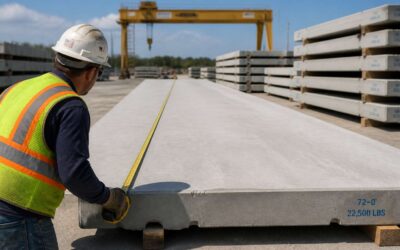
The manufacturing of precast concrete elements is a critical phase in constructing a precast concrete office building. Precision and quality control are paramount, as each component is crafted in a controlled factory environment. This ensures consistency across all elements, from load-bearing walls to floor slabs. The process begins with detailed molds, which are carefully engineered to meet specific architectural and structural requirements.
Once the molds are prepared, concrete is poured and cured under strict conditions, resulting in high-strength, durable components. The factory’s climate control minimizes imperfections, ensuring each precast element meets rigorous standards. This controlled setting accelerates production and reduces delays caused by weather—an advantage that South African developers greatly appreciate.
When manufacturing is complete, the precast elements are transported to the construction site. Here, a skilled team assembles the modules with precision, transforming the project into a seamless, efficient process. The modular approach of a precast concrete office building allows for rapid construction and minimal disruption, making it the ideal choice for urban developments in South Africa.
Transportation and On-Site Assembly
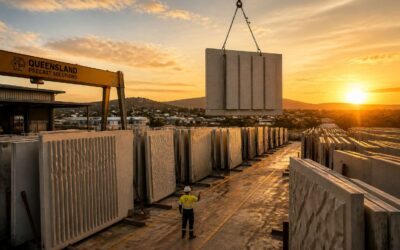
Once the precast concrete elements have been meticulously crafted and quality-checked in the factory, the next phase unfolds with a blend of precision and agility—transportation and on-site assembly. In South Africa’s bustling urban landscapes, this process transforms static components into dynamic structures with remarkable speed. The transportation of these modular elements demands careful planning; each piece is loaded onto specialized trucks, often under the cover of dawn, to minimize disruptions and protect the integrity of the precast concrete office building.
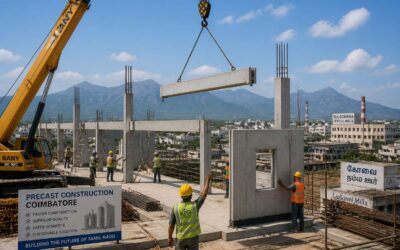
On arrival, a team of skilled engineers and construction specialists orchestrates the assembly, employing cranes and rigging systems that seem almost like the hands of an artisan. The modules are carefully positioned, fitting together seamlessly—each click and settle echoing the harmony of a well-rehearsed symphony. This rapid assembly process significantly shortens construction timelines, reducing costs and minimizing the environmental footprint. The modular nature of precast concrete office buildings allows for flexibility in design and expansion, adapting effortlessly to evolving urban needs.
- Transport logistics optimized for South African roads
- Precision on-site assembly with minimal disruption
- Skilled workforce ensuring seamless integration of modules
Quality Control and Inspection
Ensuring impeccable quality control and thorough inspection are the cornerstones of constructing a resilient precast concrete office building. Every element, from panels to structural modules, undergoes rigorous testing in controlled environments before leaving the factory floor. This meticulous process guarantees that each piece meets South Africa’s stringent standards for durability and safety, ultimately translating into long-lasting, dependable structures.
On-site, the focus shifts to seamless integration. Skilled inspection teams verify that each precast component fits perfectly within the architectural blueprint, ensuring flawless assembly and minimizing potential issues down the line. To streamline this process, a series of systematic checks are implemented, including:
- Dimensional accuracy assessments
- Surface finish inspections
- Structural integrity evaluations
In a market hungry for rapid development, the combination of comprehensive quality control and expert inspection fosters confidence in the precast concrete office building’s integrity. It’s this unwavering commitment to excellence that transforms modular elements into iconic, durable landmarks in South Africa’s skyline.
Project Timeline and Scheduling
The timeline of constructing a precast concrete office building is a carefully orchestrated symphony of precision and timing. From initial design to final handover, every phase is meticulously planned to maximize efficiency and minimize delays. In South Africa’s competitive market, adhering to a well-structured schedule can mean the difference between a project that transforms skylines overnight and one that drags on.
Key milestones are mapped out early, with a focus on synchronizing manufacturing, transportation, and on-site assembly. This synchronization ensures that each precast concrete component arrives just in time for installation, reducing storage costs and avoiding logistical bottlenecks. A typical construction process might follow these steps:
- Design and engineering review
- Manufacturing of precast elements in controlled factory environments
- Transport planning and logistics coordination
- On-site foundation preparation and groundwork
- Sequential assembly and crane installation of precast modules
This approach not only accelerates construction timelines but also enhances overall project predictability. When every element is scheduled with precision, the result is a seamless build that stands as a testament to engineering excellence—an iconic precast concrete office building rising swiftly in South Africa’s dynamic urban landscape. The careful orchestration of project timeline and scheduling underscores the transformative power of precast concrete in modern architecture.
Cost Analysis of Precast Concrete Office Buildings
Initial Investment vs Long-term Savings
Investing in a precast concrete office building might seem like a hefty initial commitment, but the long-term savings often tell a different story. While the upfront costs include manufacturing, transportation, and on-site assembly, these are offset by remarkable efficiencies and durability that significantly reduce ongoing expenses. In fact, many project owners find that the accelerated construction timeline minimizes labor costs and keeps project budgets on track, especially in bustling South African urban centers.
Over time, the durability of precast concrete office buildings translates into lower maintenance and repair costs, shielding owners from unexpected expenses. Additionally, the energy efficiency inherent in well-designed precast structures can slash operational costs—making them an economical choice for forward-thinking businesses. The true value of a precast concrete office building lies in these long-term financial benefits, which often surpass the initial investment.
- Reduced maintenance and repair expenses
- Lower energy consumption over the building’s lifespan
- Faster project completion leading to early occupancy and revenue
By weighing these factors, developers and investors are increasingly recognizing that the initial outlay for a precast concrete office building is an investment into durability and efficiency that pays dividends well into the future.
Material Cost Factors
When considering the cost of a precast concrete office building, understanding the material cost factors is essential for making an informed investment. The primary expenses stem from the manufacturing process, which involves high-quality concrete mixes, specialized molds, and advanced production techniques. These elements ensure the precast components meet stringent standards of durability and precision, but they also influence overall costs.
Transportation and on-site assembly are additional cost factors that can vary depending on project complexity and location. For example, in South Africa’s bustling urban centers, logistical planning is crucial to minimize delays and expenses. Efficient transportation of large precast elements reduces the risk of damage and accelerates construction timelines, ultimately saving money.
In some cases, opting for a precast concrete office building with customizable facades and finishes can influence material costs. The choice between standard or bespoke designs impacts both the initial investment and long-term value, especially when considering maintenance and aesthetic appeal. The interplay of these factors makes the material cost analysis a vital step in realizing the full benefits of precast concrete technology.
Labor Costs and Efficiency
Labor costs and efficiency are pivotal when evaluating a precast concrete office building project. In South Africa’s dynamic construction landscape, skilled labor can make or break the timeline and budget. Precast concrete construction often reduces on-site labor requirements significantly, thanks to the factory-controlled manufacturing process. This not only cuts down costs but also enhances precision, leading to fewer delays and rework.
Efficiency gains are further amplified by modular production methods. For example, prefabricated elements are manufactured simultaneously with site preparation, allowing for streamlined assembly. Consider this:
- Precast components are delivered ready to install, minimizing on-site labor time.
- Specialized crews can work quickly and safely, reducing overall project duration.
- Quality control during manufacturing ensures fewer defects, saving money in repairs later.
These factors contribute to lowering the total cost of a precast concrete office building, making it a compelling choice for projects seeking speed, cost-effectiveness, and quality. When labor efficiency is maximized, the entire construction process becomes more predictable and economical, ultimately delivering a better return on investment.
Maintenance and Operating Costs
Cost management extends beyond initial construction expenses; it also encompasses the ongoing maintenance and operational costs associated with a precast concrete office building. Thanks to its inherent durability and resistance to weathering, precast concrete significantly reduces long-term repair costs. Unlike other materials that may crack or degrade over time, the longevity of precast concrete ensures consistent performance with minimal intervention, translating into lower maintenance expenses over decades.
Moreover, the thermal mass of precast concrete contributes to improved energy efficiency. This means less reliance on heating and cooling systems, which directly impacts the operating costs of the building. For tenants and owners alike, this translates into a more sustainable and cost-effective workspace.
In addition, careful selection of materials during the manufacturing phase can further optimize operational costs. For example, incorporating advanced insulation or cladding systems can enhance energy savings, while choosing low-maintenance finishes reduces the need for frequent upkeep. The combined effect of these factors makes a precast concrete office building not only an investment in quality but also a prudent choice for reducing lifecycle costs in South Africa’s evolving commercial landscape.
Environmental and Sustainability Benefits
Carbon Footprint and Emissions
In a landscape increasingly conscious of its carbon footprint, the adoption of precast concrete office buildings emerges as a beacon of sustainable architecture. These structures are not just feats of engineering but also champions of environmental responsibility, significantly reducing emissions during construction and operation. The manufacturing process of precast concrete elements allows for precise control over material use, minimizing waste and energy consumption—an essential factor in lowering the overall carbon footprint of a project.
Moreover, precast concrete office buildings often incorporate recycled materials, further diminishing their environmental impact. Their thermal mass helps regulate indoor temperatures naturally, cutting down energy needed for heating and cooling. This level of efficiency isn’t just good for the planet; it translates into long-term savings for occupants. As the global push toward greener construction intensifies, precast concrete structures stand out as an eco-friendly choice that marries innovation with sustainability.
Recyclability of Materials
In the realm of sustainable architecture, a precast concrete office building stands as a testament to ecological ingenuity. Its ability to embrace environmentally conscious practices is not just a trend but a vital shift in how we shape our urban landscapes. One of the most compelling features is the recyclability of materials used in these structures, which transforms waste into resource with remarkable grace.
Precast concrete elements often incorporate recycled aggregates and other reclaimed components, reducing reliance on virgin materials. This circular approach ensures that resource extraction is minimized, and waste is kept out of landfills. The modular nature of precast concrete also means that materials can be disassembled and reused in future projects, making the entire lifecycle of the building more sustainable.
Furthermore, the manufacturing process lends itself to precision, allowing for the integration of eco-friendly materials that enhance the building’s overall environmental profile. The result? A precast concrete office building that not only meets modern aesthetic and structural demands but also champions the cause of environmental responsibility. Such structures exemplify how innovative material use and strategic design can lead to a greener, more resilient future.
Energy Efficiency in Construction and Use
In the shadowed corridors of modern construction, energy efficiency emerges as a silent sentinel, guarding the future of our cities. A precast concrete office building, with its formidable presence, also lends itself to a symphony of sustainability. Its design minimizes waste during construction, reducing energy consumption and carbon emissions, a feat that echoes through the corridors of environmental responsibility.
From manufacturing to operation, these structures harness the power of strategic insulation and airtight assemblies, dramatically lowering heating and cooling demands. This not only curtails energy bills but also diminishes the ecological footprint of the building. For instance, the integration of precast concrete panels with high-performance insulation creates a thermal barrier that sustains comfort while conserving power.
Moreover, the modularity intrinsic to precast concrete office buildings enables swift assembly—cutting down construction time and energy use on-site. The precision manufacturing process ensures minimal material waste and optimal resource utilization, making each building a testament to sustainable craftsmanship. In essence, a precast concrete office building is not just a structure—it’s a beacon of energy-conscious design that champions a greener, more resilient future.
LEED Certification Potential
In an era where sustainability isn’t just a buzzword but a necessity, the precast concrete office building stands out as a paragon of environmental stewardship. These structures boast impressive LEED certification potential, harnessing eco-friendly materials and innovative design principles to earn points for energy efficiency, water conservation, and sustainable site development. It’s no secret that green buildings attract tenants and investors alike, offering a tangible badge of responsibility in a competitive market.
Furthermore, the recyclability of materials used in precast concrete office buildings means less waste ending up in landfills and a significantly reduced carbon footprint. Strategic integration of high-performance insulation and airtight assemblies ensures these buildings achieve superior thermal performance, thereby conserving energy and lowering operating costs. With a focus on sustainable craftsmanship, these structures exemplify how modern urban development can marry form, function, and eco-consciousness seamlessly.
Case Studies of Successful Precast Concrete Office Buildings
Notable Projects and Their Features
Some of the most notable precast concrete office buildings showcase how this construction method continues to redefine urban landscapes. One such project in Johannesburg features a sleek, modern facade with customizable finishes that blend seamlessly into the city skyline. Its rapid assembly process allowed the developers to meet tight deadlines without sacrificing quality. This project exemplifies the potential of precast concrete office buildings to deliver both aesthetic appeal and structural integrity.
Another success story comes from Cape Town, where a precast concrete office building was designed with innovative form factors to maximize natural light and open-plan flexibility. The modular components were manufactured off-site, ensuring consistent quality control and reducing on-site waste. These projects demonstrate how precast concrete office buildings can be tailored to diverse architectural styles while maintaining high standards of resistance against seismic and wind loads.
- Speed of construction
- Design flexibility
- Structural durability
- Environmental sustainability
Lessons Learned and Best Practices
Successful precast concrete office buildings offer invaluable lessons that shape future projects and elevate industry standards. One key insight is the importance of meticulous design coordination during the engineering phase, ensuring that precast elements fit perfectly while accommodating architectural ambitions. Seamless integration of structural components and finishes minimizes on-site adjustments, leading to smoother construction workflows and fewer delays.
Furthermore, embracing innovative form factors allows for greater flexibility in architectural expression. For example, projects that leverage modularity not only enhance design flexibility but also optimize the speed of construction—a crucial factor in urban settings where time is money.
- Early collaboration among architects, engineers, and manufacturers
- Rigorous quality control during manufacturing
- Strategic planning for transportation and on-site assembly
These best practices cumulatively foster resilience, ensuring that the precast concrete office building withstands seismic and wind loads while maintaining aesthetic appeal.
Ultimately, lessons learned from these pioneering projects underscore the significance of integrating sustainability principles and innovative engineering from inception to completion. Such holistic approaches ensure that precast concrete office buildings are not merely structures but symbols of progress—balancing durability, speed, and environmental consciousness in every carefully crafted element.
Client Satisfaction and Performance Outcomes
Some of the most impressive precast concrete office buildings in South Africa have set a new standard for client satisfaction and performance outcomes. These projects demonstrate how precision engineering and innovative design translate into tangible benefits, such as faster construction timelines and enduring structural integrity. One notable example saw a client express delight with both the project’s speed and the quality of the finished product, highlighting the value of meticulous planning and quality control during manufacturing.
Performance metrics reveal that these precast concrete office buildings often surpass expectations, especially in seismic and wind resistance. In one case, a building was completed 30% faster than traditional methods, significantly reducing downtime and operational disruptions. The strategic use of load-bearing precast modules not only expedited assembly but also ensured long-term durability. This results in a resilient structure that adapts seamlessly to future expansion, satisfying client needs well into the future.
Ultimately, these successful projects underscore the importance of aligning engineering excellence with client goals. The combination of innovative form factors, precise manufacturing, and effective logistical planning makes precast concrete office buildings a compelling choice—delivering on performance, aesthetics, and sustainability in equal measure.
Future Trends in Precast Concrete Office Building Construction
Innovations in Prefabrication Technologies
As the construction industry evolves, the future of precast concrete office buildings promises groundbreaking innovations that will reshape how we think about urban development. Advances in prefabrication technologies are at the heart of this transformation, offering not only faster construction timelines but also enhanced precision and customization. Imagine a precast concrete office building where each component is crafted with meticulous detail in a controlled factory environment, reducing waste and minimizing on-site disruptions.
Emerging trends include the integration of modular design principles, allowing for seamless future expansion and reconfiguration. Prefabricated panels equipped with embedded utilities and insulation are becoming commonplace, streamlining the assembly process. Technologies such as robotic fabrication and 3D modeling are pushing the boundaries of what’s feasible, ensuring that precast concrete office buildings can achieve complex architectural forms and intricate facades with ease. As these innovations mature, they will make precast concrete office buildings more sustainable, cost-effective, and adaptable to the dynamic needs of modern workspaces.
Smart Building Integrations
As technology accelerates, the future of precast concrete office buildings in South Africa is poised to redefine urban landscapes through smart building integrations. Imagine office spaces that not only adapt to your needs but anticipate them—powered by intelligent systems embedded seamlessly within precast panels. These innovations promise to deliver unparalleled efficiency, energy savings, and occupant comfort, all while maintaining the structural integrity of the precast concrete office building.
Emerging trends highlight the integration of IoT (Internet of Things) sensors directly into precast components, enabling real-time monitoring of environmental conditions, structural health, and energy consumption. This level of connectivity transforms traditional office buildings into living, breathing entities—maximizing operational performance and sustainability. For instance, precast panels equipped with embedded utilities and smart insulation are streamlining assembly and enhancing thermal performance.
Some developers are exploring the use of modular, reconfigurable precast units—allowing for future expansion without disrupting ongoing operations. This adaptability ensures that the precast concrete office building remains a resilient investment, capable of evolving with the needs of its tenants. The convergence of prefabrication and digital technology will undoubtedly set new standards for office construction in South Africa, making these structures more intelligent, sustainable, and efficient than ever before.
Green Building Certifications and Standards
As the world strides toward a greener, more sustainable future, the construction of precast concrete office buildings in South Africa is embracing innovative standards that elevate environmental responsibility to new heights. Green building certifications such as LEED and BREEAM are increasingly sought after, serving as benchmarks for excellence in sustainable design and construction. These standards not only acknowledge the ecological merits of precast concrete but also encourage the integration of energy-efficient systems and eco-friendly materials.
Future trends are poised to push these boundaries further. The incorporation of renewable energy solutions, advanced water management, and improved indoor air quality will become integral to precast concrete office buildings. Additionally, certification processes are evolving to recognize the unique benefits of precast technology, emphasizing lifecycle performance and material recyclability. This shift ensures that developers and architects are motivated to adopt practices that promote resilience, efficiency, and environmental stewardship—solidifying the precast concrete office building as a cornerstone of South Africa’s sustainable urban landscape.
Market Growth and Industry Outlook
As urban landscapes in South Africa evolve, the future of precast concrete office buildings is looking brighter—and greener—than ever. Industry experts predict that advancements in manufacturing technology and sustainable practices will drive market growth exponentially over the next decade. This shift is not just about aesthetics or cost; it’s about pushing the boundaries of what precast concrete office buildings can achieve in terms of energy efficiency and resilience.
Emerging trends include the integration of smart building technologies, which optimize energy consumption and indoor environments. Additionally, innovations such as modular design and the use of recycled materials are making precast concrete office buildings more adaptable and eco-friendly. The industry is also exploring new form factors and façade options, allowing for striking architectural statements while maintaining structural integrity and sustainability standards.
- Adoption of renewable energy solutions like solar panels integrated into precast panels
- Advanced water management systems within building modules
- Enhanced indoor air quality through innovative ventilation and material choices
With these developments, the precast concrete office building is set to become the backbone of South Africa’s sustainable urban growth, offering a blend of durability, efficiency, and cutting-edge design that meets the demands of modern business environments.
0 Comments