
Understanding Precast Concrete Anchorage
Definition and Purpose
Precast concrete anchorage plays a pivotal role in modern construction, especially when durability and safety are non-negotiable. These systems are designed to securely connect precast concrete elements to structural frameworks, ensuring stability under various loads. In fact, the effectiveness of precast concrete anchorage can significantly influence the lifespan of a building or infrastructure project.
Understanding the definition and purpose of precast concrete anchorage is essential for appreciating its importance. Essentially, it is a specialized component that transfers forces between precast elements and their supporting structures. This transfer is critical in preventing movement or failure, particularly in seismic zones or high-wind areas. The purpose of these anchorages extends beyond mere stability—they also facilitate ease of installation and future modifications.
- Secure connection of precast elements
- Transfer of structural loads
- Enhancement of overall safety and durability
Types of Precast Concrete Anchorage
Within the intricate tapestry of modern construction, understanding the various types of precast concrete anchorage is akin to unraveling the secrets of a hidden realm. These diverse systems serve as the enchanted threads that bind precast elements to their supporting structures, ensuring resilience against the tumult of environmental forces. In South Africa, where seismic activity and fierce winds can challenge even the stoutest edifices, selecting the appropriate precast concrete anchorage is paramount.
Among the myriad forms, some of the most prevalent include mechanically anchored systems, post-tensioned solutions, and embedded inserts. Each type possesses a unique charm and function—designed to absorb forces, resist movement, and facilitate seamless assembly. For instance, precast concrete anchorage systems with embedded inserts offer versatility, allowing for effortless adjustments or future modifications without compromising structural integrity. Their design intricacies reveal a story of craftsmanship, where precision and durability intertwine.
Understanding these variations unlocks the full potential of precast concrete in construction projects. Whether in the bustling urban landscapes of Johannesburg or the coastal expanses of Durban, the choice of anchorage type can spell the difference between fleeting stability and enduring safety. These systems are not merely components—they are the guardians of structural harmony, whispering silent promises of longevity and strength.
Common Applications in Construction
Precast concrete anchorage plays a pivotal role in transforming architectural visions into resilient realities across South Africa’s diverse landscape. It’s fascinating how these systems seamlessly integrate into structures ranging from towering commercial complexes to intricate infrastructural projects, ensuring stability against seismic tremors and fierce coastal winds. The applications are as varied as the terrains they serve—each tailored to meet specific structural demands with precision.
In urban environments like Johannesburg, precast concrete anchorage is vital for securing façade panels, elevator shafts, and bridge supports, where durability and quick assembly are paramount. Meanwhile, along Durban’s coastal zones, these anchorage systems withstand corrosive salt air and relentless weather patterns, safeguarding the longevity of beachfront developments. Common applications include:
- Securing precast cladding and façade panels to building exteriors
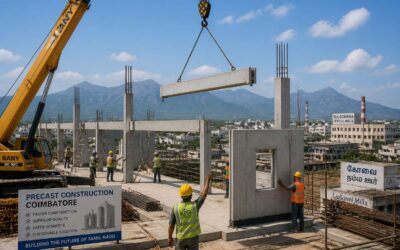
- Fastening precast concrete beams and columns in large-scale infrastructure projects
- Anchoring precast retaining walls and foundation elements in challenging terrains
Understanding the specific demands of each application reveals the true versatility of precast concrete anchorage. Whether it’s absorbing structural forces or providing seamless connections, these systems embody a harmony of craftsmanship and engineering ingenuity. Their strategic placement in construction designs ensures projects don’t just stand tall but stand the test of time—making precast concrete anchorage an unsung hero in South Africa’s construction narrative.
Design Considerations for Precast Anchorage
Material Selection and Compatibility
Choosing the right precast concrete anchorage begins with a nuanced understanding of material compatibility. In South Africa’s dynamic construction landscape, where climate and load demands vary dramatically, selecting materials that harmonize is vital to ensure durability and structural integrity. The longevity of a precast concrete anchorage hinges on this careful pairing—think of it as a dance between substance and environment, each step meticulously choreographed to withstand the test of time.
Material selection must consider factors such as tensile strength, corrosion resistance, and thermal expansion. When these elements align, the precast concrete anchorage not only performs reliably but also minimizes future maintenance costs—a crucial consideration in our unique construction context. It’s essential to evaluate whether the chosen materials are compatible, fostering a seamless integration that supports the overall structural performance.
In some cases, an unordered approach suffices; however, a systematic evaluation often involves an ordered list of priorities:
- Assess environmental conditions specific to South Africa’s climate zones
- Match material properties with load requirements and longevity expectations
- Ensure chemical resistance against local soil and atmospheric elements
Load-Bearing Capacity and Structural Integrity
Designing a precast concrete anchorage system that can bear the unpredictable loads of South Africa’s diverse construction environments is no small feat. Every project demands a careful assessment of structural integrity, where overlooking load-bearing capacity can lead to catastrophic failure. The key lies in understanding how the anchorage interacts with the entire structure—each component must work in harmony, resisting forces that threaten stability.
To ensure robustness, engineers often evaluate the maximum load the precast concrete anchorage must withstand. This includes considering dynamic forces from seismic activity or wind, especially in coastal regions. A meticulous analysis might involve:
- Assessing the load magnitude and direction
- Accounting for environmental influences like corrosion or thermal expansion
- Verifying the anchorage’s capacity to resist shear and tension forces
Only through such comprehensive evaluation can the structural integrity of a precast concrete anchorage be assured, safeguarding longevity and resilience in South Africa’s demanding climate. It’s a delicate balance—each element calibrated to withstand the test of time, revealing what lies beneath the surface of every successful construction project.
Environmental Factors and Durability
Environmental factors in South Africa demand a nuanced approach when designing precast concrete anchorage systems. The unpredictable climate—marked by intense thermal fluctuations, high humidity, and corrosion risks—can silently undermine structural integrity if not properly addressed. Durability is not merely a feature; it becomes a moral obligation to ensure safety and longevity in every project.
Understanding the environmental context involves evaluating exposure conditions that might accelerate deterioration. For instance, coastal regions pose a significant challenge with salt-laden air accelerating corrosion. Engineers must incorporate protective measures, such as corrosion-resistant coatings or stainless steel components, to enhance the lifespan of the precast concrete anchorage.
Incorporating durability considerations isn’t just about material choice but also about strategic placement and maintenance. Recognizing the unique environmental influences—like thermal expansion or seismic activity—can significantly impact the performance of the precast concrete anchorage. It’s an ongoing dialogue between human ingenuity and nature’s relentless forces, demanding vigilance and foresight at every turn.
Standards and Building Codes
Design considerations for precast concrete anchorage are the silent guardians of structural integrity, especially within South Africa’s complex environmental tapestry. Building codes serve as the moral compass, guiding engineers through a labyrinth of safety standards and durability benchmarks. These standards are not arbitrary; they encapsulate the collective wisdom of past failures and successes, urging us to transcend mere compliance and strive for excellence.
In crafting these anchorage systems, adherence to national and international standards—such as SANS 10100 and Eurocodes—is paramount. These codes delineate precise parameters for load capacity, material performance, and safety margins. For instance, the incorporation of corrosion-resistant features becomes non-negotiable in coastal zones, where salt-laden air relentlessly assaults unprotected concrete. Recognizing this, the design process often involves:
- Rigorous assessments of environmental exposure conditions
- Strategic placement to mitigate seismic and thermal stresses
- Selection of materials that align with durability standards
Ultimately, the dialogue between human ingenuity and nature’s unyielding forces demands a nuanced, vigilant approach—one that transforms standard compliance into an act of moral responsibility. The preeminent goal is to craft precast concrete anchorage that endures, not just for today, but for generations to come.
Installation and Construction of Precast Concrete Anchorage
Preparation and Site Preparation
In the intricate ballet of construction, the installation and construction of precast concrete anchorage demand a symphony of precision and care. As the foundation of structural stability, these anchorages must be meticulously prepared to ensure flawless integration into the building’s framework. The process begins with comprehensive site preparation—clearing, leveling, and verifying the substrate’s integrity—laying the groundwork for a seamless connection.
Preparation also involves ensuring that the concrete surface is clean, free of debris, and properly cured to optimize bond strength. The placement process is both an art and a science, requiring exact alignment and secure fastening to withstand the stresses imposed by load-bearing demands. To facilitate efficiency, some contractors employ a checklist that includes:
- Verifying anchorage positioning according to detailed drawings
- Confirming the dimensions and specifications of the precast elements
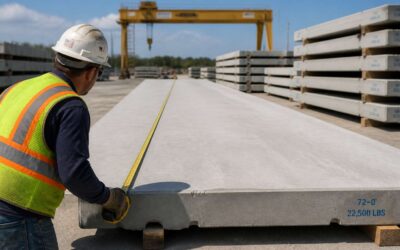
- Using appropriate lifting and setting equipment to prevent surface damage
This meticulous approach guarantees that the installation of precast concrete anchorage not only meets structural standards but also embodies the resilient spirit of South Africa’s evolving skyline. Every detail, from initial site prep to final securing, is a testament to craftsmanship and unwavering commitment to excellence in construction.
Assembly and Securing Techniques
Once the groundwork is meticulously laid, the installation of precast concrete anchorage becomes a precise dance of precision and strength. This stage demands unwavering focus, as the anchorage assembly must be secured flawlessly to withstand the relentless forces of load-bearing and environmental stressors—especially in South Africa’s dynamic climate. The process involves carefully positioning each component, ensuring alignment with detailed construction drawings, and employing securing techniques that guarantee stability.
Securing techniques are the backbone of a resilient precast concrete anchorage system. The use of high-strength bolts, welded connections, and epoxy adhesives creates a formidable bond that resists both shear and tension forces. Contractors often employ a combination of
- torque-controlled fasteners
- precision alignment tools
to guarantee every piece fits like a puzzle piece, preventing future complications. Proper securing not only enhances structural integrity but also extends the lifespan of the anchorage, reinforcing the building’s ability to stand tall against South Africa’s diverse environmental challenges.
Inspection and Quality Control
In the bustling world of construction, the installation and construction of precast concrete anchorage systems demand more than just a keen eye and a strong back; they require meticulous inspection and unwavering quality control. After all, a precast concrete anchorage that wavers at the seams is akin to a tightrope walker without a safety net—destined for disaster. Ensuring every component is perfectly installed isn’t just a matter of pride; it’s a necessity for longevity and safety.
Quality assurance begins with a rigorous inspection routine, where each precast concrete anchorage component is scrutinized for dimensional accuracy, surface integrity, and proper securing methods. This process often involves a series of non-destructive tests and visual checks to catch flaws before they manifest in the structure. Contractors in South Africa know that environmental factors such as humidity, temperature fluctuations, and soil conditions can quietly undermine the integrity of the anchorage system—making vigilant inspection all the more critical.
To streamline the process, some construction teams employ a checklist that covers:
- Verification of material specifications
- Alignment with detailed construction drawings
- Proper torque settings on fasteners
- Inspection of welds and adhesive bonds
By adhering to these rigorous standards, the installation of precast concrete anchorage transforms from a mere task into a ballet of precision—where every move is scrutinized to uphold the highest levels of durability and safety. Such attention to detail ensures that the anchorage system will stand resilient against South Africa’s diverse environmental stresses, from coastal salt spray to inland seismic activity. Because in the end, it’s not just about building structures; it’s about building trust—one precast concrete anchorage at a time.
Safety Measures During Installation
When installing precast concrete anchorage systems, safety measures aren’t just a box to tick—they are fundamental to preventing accidents and ensuring structural integrity. Construction sites in South Africa often face unpredictable conditions, from high temperatures to sudden shifts in soil stability, making vigilant safety protocols crucial.
During installation, workers must wear appropriate personal protective equipment (PPE), including helmets, gloves, and safety harnesses. Clear signage and barriers should also be in place to keep unauthorized personnel away from potentially hazardous zones. To further mitigate risks, team members should be trained in the correct handling and securing techniques for precast concrete anchorage components.
Incorporating a systematic approach, such as a safety checklist, can significantly reduce human error. This list might include verifying the stability of the foundation, ensuring proper alignment before securing, and double-checking torque settings on fasteners. Especially in regions prone to seismic activity or coastal salt spray, these precautions become even more vital to safeguard both workers and the longevity of the anchorage system.
Advantages of Using Precast Concrete Anchorage
Time and Cost Efficiency
Time and cost efficiency are often the silent architects behind successful construction projects, and precast concrete anchorage stands as a testament to this truth. By prefabricating these anchoring elements, construction timelines are significantly shortened, ultimately reducing labor costs and minimizing on-site waste. This method allows for precise manufacturing, which translates into seamless integration during assembly—a critical factor in maintaining project momentum.
Moreover, the inherent durability of precast concrete anchorage means fewer delays caused by material failures or rework, providing an invaluable layer of reliability. For project managers, this translates into predictable schedules and budgets, empowering them to meet tight deadlines without compromising quality. In the grand scheme, adopting precast concrete anchorage isn’t just a choice—it’s an investment in expediency and economic prudence.
In South Africa, where construction demands are growing amidst economic pressures, the strategic use of precast concrete anchorage offers a compelling advantage. Here, the ability to deliver structures swiftly and cost-effectively isn’t just preferred; it’s essential. Embracing this technology unlocks a new realm of possibilities, blending efficiency with enduring strength in every project undertaken.
Enhanced Structural Performance
Enhanced structural performance is the hallmark of high-quality precast concrete anchorage. When precision meets durability, the result is a resilient foundation that withstands both time and the elements. These anchoring systems are engineered to improve load transfer efficiency, ensuring that structures remain stable under varying stresses—a vital aspect in South Africa’s diverse climate conditions.
What sets precast concrete anchorage apart is its ability to provide uniformity and strength. This consistency translates into fewer on-site adjustments, reducing the risk of structural weaknesses. For engineers and architects, this means a dependable component that guarantees longevity and safety. In fact, the integration of advanced manufacturing techniques allows for tailored solutions that meet unique project demands.
Consider the advantages: a robust connection that resists environmental pressures, seismic activity, and heavy loads. The durability of precast concrete anchorage extends beyond mere strength—its resistance to corrosion and weathering ensures your project’s integrity endures. Such qualities make it an indispensable element in high-stakes construction environments where safety and performance are non-negotiable.
- Superior load-bearing capacity
- Enhanced resistance to environmental degradation
- Seamless integration with precast elements for structural continuity
In South Africa’s bustling construction landscape, harnessing the advantages of precast concrete anchorage isn’t just prudent; it’s transformative. When durability meets precision, the resulting structures aren’t merely built—they’re engineered to endure, reflecting a commitment to excellence that endures beyond the project timeline.
Versatility and Customization
The beauty of precast concrete anchorage lies in its remarkable versatility and capacity for customization. In the vibrant landscape of South African construction, no two projects are exactly alike, and the ability to tailor anchoring systems to specific needs is invaluable. From intricate architectural features to heavy industrial applications, precast concrete anchorage can be adapted with precision to meet diverse structural demands.
Engineers and architects appreciate how easily these systems integrate with various precast elements, creating seamless structural continuity. This adaptability ensures that each anchorage solution aligns perfectly with the project’s unique specifications, whether it involves complex geometries or demanding load conditions. The flexibility extends not just to design but also to material choices, enabling the use of different corrosion-resistant coatings or specialized reinforcements tailored to environmental challenges faced in South Africa.
- Design flexibility allows for innovative architectural expressions.
- Custom solutions enhance structural safety and longevity.
- Material adaptability ensures resilience against local environmental factors.
Such versatility turns precast concrete anchorage into an essential element for projects that demand both resilience and aesthetic finesse. The ability to customize these systems ensures that every structure is built not just to last but to inspire—standing as a testament to engineering ingenuity in South Africa’s dynamic construction arena.
Reduced On-Site Labor
In the bustling realm of South African construction, time is more than money—it’s the lifeblood of progress. When it comes to precast concrete anchorage, reducing on-site labor isn’t just a convenience; it’s a strategic advantage. Thanks to the prefabricated nature of these systems, much of the work is completed off-site, allowing for streamlined assembly and swift installation. This translates to fewer personnel on-site, less exposure to environmental hazards, and a notable decline in project timelines.
Moreover, precast concrete anchorage simplifies complex logistics, often eliminating the need for heavy machinery or extensive scaffolding. For projects in challenging environments—think coastal areas with high humidity or inland zones prone to seismic activity—this reduction in on-site labor curtails potential delays and safety risks. In essence, these systems facilitate a smoother, more controlled construction process, proving that in the world of structural engineering, efficiency and safety are best served with precast concrete anchorage. The result? A resilient, aesthetically refined structure built with a fraction of the usual fuss and bother.
Maintenance and Longevity of Precast Concrete Anchors
Routine Inspection and Testing
In the realm of construction’s silent sentinel—precast concrete anchorage—longevity is not merely a fortunate happenstance but a testament to diligent maintenance. The intricate dance between materials and environment demands vigilant oversight, for even the most resilient precast concrete anchorage can falter without routine inspection and testing. An unglamorous but vital ritual, these checks act as the heartbeat of structural integrity, ensuring that hidden forces remain at bay.
Regular assessments, conducted with precision, help detect early signs of wear, corrosion, or fatigue—threats that could compromise safety and performance. Visual inspections paired with non-destructive testing techniques illuminate the unseen, revealing cracks or corrosion that threaten to undermine decades of steadfast service. For precast concrete anchorage systems, adhering to a disciplined schedule of testing sustains their excellence and extends their lifespan—transforming routine maintenance into a guardian of durability.
When these systems are nurtured with care, their resilience endures, standing as a testament to the craftsmanship behind each installation. After all, in the delicate balance of strength and stability, proactive maintenance is the linchpin—ensuring that precast concrete anchorage remains a steadfast cornerstone long after the last pour and setting. Truly, their longevity hinges on the vigilant eye, the meticulous test, and the unwavering commitment to quality.
Repair and Replacement Procedures
Maintaining the integrity of precast concrete anchorage systems is crucial for ensuring long-term safety and performance in construction projects. Over time, even the most robust precast concrete anchorage may require repair or replacement to address wear, corrosion, or unforeseen damage. When deterioration occurs, prompt intervention preserves structural stability and prevents costly failures down the line.
Repair procedures often involve assessing the extent of damage through thorough inspections, followed by targeted interventions such as surface treatment, reinforcement, or concrete patching. Replacement, on the other hand, might be necessary when damage compromises the anchorage’s load-bearing capacity. In such cases, removing compromised elements and installing new precast concrete anchorage components ensures the continued resilience of the structure.
To facilitate seamless repairs and replacements, a systematic approach is essential. This can include:
- Careful site assessment and damage evaluation
- Using compatible materials to prevent future corrosion or deterioration
- Adhering to industry standards for structural safety and durability
By prioritizing these procedures, engineers and construction professionals can extend the lifespan of precast concrete anchorage systems, safeguarding their structural investments and maintaining building integrity for decades to come.
Factors Affecting Longevity
In the ever-evolving landscape of construction, the longevity of precast concrete anchorage systems is a testament to both meticulous engineering and diligent maintenance. Studies reveal that properly cared-for precast concrete anchorage can outperform expectations, lasting decades with minimal intervention. The secret lies in understanding the factors that influence their durability, transforming routine upkeep into a safeguard against unforeseen deterioration.
Environmental influences such as moisture, temperature fluctuations, and exposure to corrosive elements like saltwater significantly impact the lifespan of precast concrete anchorage. An often overlooked aspect is the quality of materials and installation techniques, which play a pivotal role in resisting wear and corrosion over time. To enhance longevity, many professionals adopt a strategic approach, including:
- Applying protective coatings that resist environmental assault;
- Using corrosion-resistant reinforcement materials;
- Implementing regular inspection schedules to identify early signs of deterioration;
By integrating these practices, engineers can ensure that precast concrete anchorage remains resilient, maintaining structural integrity even in the face of South Africa’s diverse climate conditions. The result is a durable, reliable solution that stands the test of time, safeguarding infrastructure investments for future generations.
Innovations and Future Trends in Precast Concrete Anchorage
Advanced Materials and Technology
As the horizon of construction technology expands, so too does the realm of precast concrete anchorage, with innovations shimmering like distant stars guiding the way forward. The future is poised to harness advanced materials and cutting-edge technology, transforming how these structures integrate seamlessly into our built environment. Imagine precast concrete anchorage systems infused with smart materials capable of self-healing, enhancing durability and lifespan in South Africa’s demanding climate. These innovations promise not only heightened safety but also a leap in efficiency, reducing downtime and maintenance costs.
Emerging trends include the integration of high-performance fibers and corrosion-resistant alloys, which bolster structural resilience against harsh environmental factors. Furthermore, the advent of modular precast components allows for rapid assembly and customization, aligning with modern construction’s need for speed and flexibility. To navigate this evolving landscape, industry leaders are exploring the potential of digital twin technology—virtual replicas of precast concrete anchorage systems—to predict performance, streamline inspections, and optimize design in real-time. This synergy of advanced materials and technology heralds a new era where precast concrete anchorage becomes not just a component, but a marvel of innovation and sustainability.
Sustainable Construction Practices
Innovation in precast concrete anchorage is reshaping the future of construction, with sustainability taking center stage. As South Africa faces increasing environmental challenges, new trends emphasize eco-friendly practices and materials that reduce the carbon footprint of precast concrete systems. Emerging developments include the use of recycled aggregates and bio-based additives, which enhance sustainability without compromising strength.
Furthermore, cutting-edge technologies like digital twin simulations are gaining traction. These virtual models allow engineers to predict how precast concrete anchorage systems will perform over time, boosting durability and minimizing waste. The integration of smart materials—such as self-healing concrete—further extends the lifespan and reliability of these systems, especially in South Africa’s demanding climate.
- Adoption of high-performance fibers that increase resilience against environmental stressors.
- Use of corrosion-resistant alloys to combat harsh conditions in coastal and industrial areas.
- Modular precast components facilitating rapid assembly, reducing construction time and costs.
These innovations not only support sustainable construction practices but also promise a future where precast concrete anchorage systems are more adaptable, durable, and environmentally conscious—driving South Africa’s infrastructure into a resilient new era.
Integration with Modular Building Systems
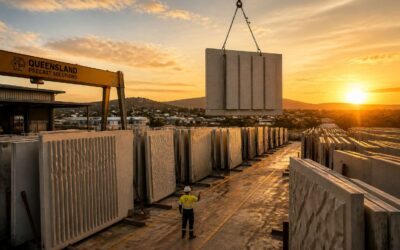
In the realm of precast concrete anchorage, innovation is no longer a distant dream but an immediate reality shaping South Africa’s construction landscape. As the demand for faster, more resilient, and eco-friendly building methods intensifies, the integration of modular building systems with precast concrete anchorage is opening new horizons. Imagine assembly lines of precast components arriving on site, seamlessly fitting together through intelligent anchorage solutions that reduce build times and elevate structural harmony.
Emerging trends are centered around digital twin simulations—virtual models that forecast how precast concrete anchorage systems will perform under varying environmental conditions. These simulations enable engineers to optimize designs for durability, especially vital in South Africa’s diverse climate zones. Meanwhile, the adoption of advanced materials like self-healing concrete and corrosion-resistant alloys fortifies these systems against the relentless march of time and nature.
- Modular precast components that enable rapid assembly, significantly cutting construction time and costs.
- High-performance fibers that enhance resilience against environmental stressors such as wind, seismic activity, and corrosion.
- Bio-based additives and recycled aggregates that champion sustainability, making precast concrete anchorage more eco-conscious.
Such innovations are not merely technical feats—they are the keystones of a future where precast concrete anchorage systems become the cornerstone of resilient, sustainable infrastructure. South Africa’s construction future gleams brighter with these pioneering strides, promising structures that are both formidable and environmentally harmonious.
0 Comments