
Understanding precast concrete basics
What is precast concrete and how it differs from site casting
Across South Africa’s building sites, precast speeds the arc from plan to profile—projects report up to 40% faster installation when elements arrive ready to place. In this factory theatre, concrete is poured, cured, and tested before it meets the sun. I watch the panels arrive. The on-site drama of weather and delays fades, and the structure rises with ceremonial precision!
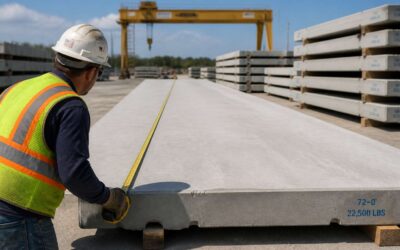
Precast concrete is produced in a controlled factory environment, cast into walls, panels, beams, and stairs, then transported to the site for assembly. It differs from site casting, where concrete is poured on site and cured in place, exposed to weather and schedule creep. The payoff is consistent quality, tighter tolerances, and the freedom to choreograph bold, modern forms.
- Factory-controlled production ensures quality
- Weather is removed from curing
- Modular connections speed assembly
These precast concrete questions guide SA projects, shaping rhythm, cost, and craft while preserving human drama of building.
Key components and materials used in precast production
Across South Africa’s building sites, factory floors hum with precision. A 40% faster installation is more than a statistic—it’s the rhythm precast concrete questions create when plans meet panels. Understanding these basics is a compass guiding teams through the controlled calm of factory production.
Key components and materials form the backbone of precast efficiency. They include a consistent cementitious mix, durable aggregates, and reinforcement—steel bars or prestressing strands—that hold modules in discipline. Formwork shapes geometry; curing stabilizes strength and finish.
- Cementitious mix and admixtures for workability
- Reinforcement and prestressing elements
- Formwork systems and joint connections
- Curing methods and protective coatings
In precast production, high-strength concrete blends, silica fume or fly ash for density, and moisture-control agents ensure resilience from factory to site. Finishes emerge through casting, vibration, and controlled curing, inviting the eye as well as the hand.
Benefits of using precast in construction
In South Africa, climates race from coastal fog to highveld sun, yet precast moves with a calm, singable cadence. A 40% faster installation isn’t a mere stat—it’s the rhythm when plans meet panels. Understanding precast basics reveals a steady triad: a consistent cementitious mix, durable aggregates, and reinforcement that keeps modules true, while formwork sculpts geometry and curing seals strength. High-strength blends, silica fume for density, and moisture-control agents travel from factory to site, delivering resilience and a finish that pleases eye and hand!
Among these precast concrete questions, the benefits rise clearly on the page: speed with quality, cleaner sites, and weather resilience. The factory’s controlled realm translates to tighter tolerances and dependable outcomes.
- Faster site assembly
- Consistent quality control
- Reduced waste and weather exposure
- Modular design flexibility
Common applications of precast concrete
In a landscape where coastal fog brushes the coast and highveld sun tests every brick, precast questions become steady stars. Recent South African projects report up to 40% faster installation on site when a full precast system is used. Understanding precast basics means tracing a consistent cementitious mix, durable aggregates, and reinforcement that keeps modules true from factory to footing. These precast concrete questions guide designers toward reliable geometry, tighter tolerances, and weather-resilient finishes!
Common applications span the built environment and beyond. In practice, these modules find homes in a few trusted roles:
- Wall panels and façades
- Floor slabs and mezzanines
- Stairs and landings
- Parking structures and modular cores
Precast manufacturing process explained
Design and engineering considerations for precast elements
Factory daylight replaces site weather in South Africa, and precast manufacturing unfolds like a well-rehearsed routine! The process starts with moulds that capture the desired silhouette, then reinforcement is placed, and concrete is poured under strict temperature and moisture controls. Panels cure in monitored bays before moving to the yard for loading onto transporters.
- Mould design and fabrication
- Reinforcement placement and concrete mixing
- Curing, quality control, and finishing
Design and engineering considerations for precast elements demand a planner’s calm and a draughtsman’s eye. Tolerances must align with installed connections, joints must accommodate movement from temperature swings, and load paths must be calculated for assembled structures. Durable connectors and edge details ease on-site assembly and reduce callbacks.
Asking precast concrete questions early helps teams balance aesthetics, performance, and cost; the factory’s discipline catches issues before they become on-site headaches.
Casting, curing, and quality control steps
Factory daylight replaces weather in South Africa, turning chaos into cadence. One SA plant reports up to 40% fewer weather-related delays, a stat that makes precast feel almost predictive. Precast concrete questions surface as steady guides—how casting tolerances meet joints, and how finishing withstands cycles of heat and humidity.
From there, the casting sequence unfolds with clarity: moulds capture the silhouette; reinforcement is positioned; concrete is poured under strict temperature and moisture controls in monitored bays.
- Casting precision and formwork discipline
- Controlled curing with humidity and temperature logs
- Non-destructive testing and surface inspection
Curing and quality control ensure performance and consistency; panels cure in monitored bays before moving to the yard.
Transportation and installation logistics for precast panels
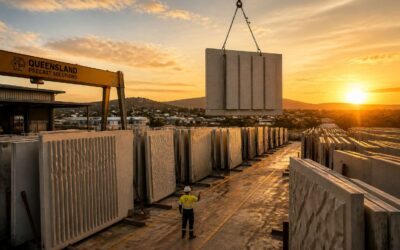
Factory daylight replaces weather in South Africa, turning chaos into cadence as precast panels travel from plant to project. The real magic is in planning—the delicate choreography of transport, lifting, and on-site fit that turns design intent into solid, standing history. When questions about transport and fit are answered early, routes, permits, and crane access thread into the blueprint rather than snag the schedule.
- Route planning considerations: road weight limits, permits, escort requirements, and local regulatory nuances in South Africa
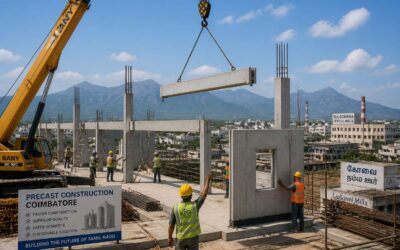
- Site handling considerations: staging space, crane access, and ground bearing to protect panels during transfer and placement
- Installation sequencing considerations: joint tolerances, connector details, and alignment with structural openings
From the factory yard to the final façade, the logistics thread remains a quiet, reliable metronome—weatherproof and scalable. These precast concrete questions steer transportation and installation so projects stay on rhythm and on time.
Sustainability and material efficiency in precast production
In the hush of South African factory bays, where concrete dreams take form, a striking stat anchors the craft: precast reduces on-site waste by up to 40%. Sustainability isn’t an afterthought—it’s woven into the process from start to finish. The thread of precast concrete questions guides every decision, turning raw materials into a disciplined art.
From certified cement blends to recycled aggregates and low-heat curing, the factory floor runs on efficiency. Digital planning trims waste, reusable moulds slash formwork demand, and water-recapture systems keep the plant hydrated without draining local supplies.
- Recycled content in cementitious mixes
- Closed-loop water systems
- Reusable moulds and efficient curing cycles
These choices embody sustainability in precast manufacturing, turning design intent into durable, enduring architecture.
Structural performance and safety of precast systems
Load-bearing capabilities of precast components
South Africa’s skyline continues to evolve with the quiet assurance of precast elegance, where structural performance reads like a well-penned manifesto. In the realm of precast concrete questions, safety is not an afterthought but a design principle, stamped into joints, panels, and connections. The result is assemblies that behave predictably under wind and seismic considerations, delivering reliability without drama.
Load-bearing capabilities of precast components depend on precise detailing, robust connections, and durable materials. When these elements align, the system shows resilience under load paths, with strength distributed through carefully engineered redundancies. These questions often underpin how engineers evaluate overall performance, long before the crane arrives on site.
- Concrete grade and curing accuracy
- Connection design and embedment details
- Reinforcement layout and corrosion protection
Connections and anchorage in precast assemblies
Structural performance and safety of precast systems hinge on how tightly joints and anchorage are engineered. In the realm of precast concrete questions, safety isn’t an afterthought but a design principle stamped into every connection. When the details are solid, wind and seismic forces pass through the assembly with calm efficiency rather than noisy drama.
Connections and anchorage decide how loads move from slabs to columns, and from gravity to lateral demands. In South Africa’s mixed climate, precast elements must behave predictably under gusts and tremors, delivering reliability without shouting about it.
- Load path continuity under dynamic loading
- Durability of embedded steel and coastal corrosion protection
- Embedment detail verification during erection and grout curing
These considerations translate into real-world reliability, proving that meticulous planning of joints and anchorage pays off when the crane leaves and the wind begins to swirl.
Durability, weather resistance, and lifecycle performance
South Africa’s wide skies and coastal winds remind us that strength in precast starts with what you can’t see. Structural performance and safety hinge on joints and anchorage designed as a single, continuous system that travels load smoothly as the wind rises. In precast concrete questions, durability, weather resistance, and lifecycle performance aren’t afterthoughts but the quiet rhythm that keeps panels calm through decades of sun, rain, and the occasional tremor.
Answering precast concrete questions means looking at fabrications—embedded steel, grout curing, and protective coatings—as a living shield against the elements.
- Embedded steel corrosion protection for seaside or inland exposures
- Proper embedment and grout curing during erection
- Weather resistance across SA climates and seasons
These choices translate into reliability you can hear only in the absence of noise—the wind becomes a background, and the building endures. Precise attention to precast concrete questions is what keeps life steady beneath tall walls.
Compliance, codes, and standards for precast structures
Gusts test the mettle of our skylines, and in South Africa the verdict is written in joints and standards. precast concrete questions carry the weight of every panel and bolt, guiding how strength translates into safety under wind and time.
Structural performance and safety hinge on a single, continuous system that travels loads smoothly from the facade to the foundations. Compliance, codes, and standards ensure this choreography stays true—so walls breathe and life endures. Consider these anchors:
- Structural integrity under wind, gravity, and seismic demands
- Conformity with South African standards and national building regulations
- Quality assurance during erection, grout curing, and joint detailing
- Fire resistance and long-term durability of connections
These precast practice questions shape inspection regimes and daily confidence, turning complex design into quiet, durable performance.
Common failure modes and maintenance strategies
Structural performance and safety hinge on how loads travel from façade panels to foundations. In South Africa, wind pressures and gravity test the resilience of precast assemblies, where joints and connectors bear the choreography. The question guiding engineers is how strength passes from one element to the next—precisely captured in precast concrete questions.
Common failure modes and maintenance strategies outline what can drift out of spec and how to recognize it early.
- Joint degradation and grout voids
- Embedded steel corrosion at anchors
- Crack propagation in high-tolerance panels
- Moisture ingress and freeze-thaw damage
Maintenance emphasizes non-destructive inspection, protective measures, and drainage considerations that sustain long-term performance. In the South African context, this vigilance aligns with local standards and life-cycle expectations, all interpreted through precast concrete questions that keep structures resilient against time and weather.
Cost considerations and budgeting for precast projects
Initial cost versus long-term savings with precast
South Africa’s construction scene is hungry for efficiency, and precast concrete panels deliver. Industry chatter suggests on-site assembly can be up to 30% faster than traditional casting, turning weather delays into a footnote on the project calendar. The payoff isn’t only speed; it’s predictable performance born from factory-controlled curing and tighter quality control.
When tackling precast concrete questions about cost, numbers stop chasing sticker price and start chasing lifecycle value. Yes, upfront capex sits higher, but durability, fewer joints, and quicker installation push total costs down over the building’s life. In rand terms, it’s about buying predictability and resilience, not just material.
- Upfront capital expenditure versus lifecycle savings
- Labor and weather downtime reductions
- Lower maintenance and repair costs over time
Labor, time, and project schedule impacts
Time is money on South Africa’s building sites, and precast acts as a quiet accelerant. Industry chatter suggests on-site assembly can be up to 30% faster than traditional casting, turning weather delays into a footnote on the calendar. The payoff goes beyond speed: factory curing tightens quality and predictability.
In the world of precast concrete questions, budgeting shifts from sticker shock to lifecycle value. Yes, upfront capex is higher, yet durability and quicker installation push total costs toward resilience over time.
- Labor efficiency and predictable schedules
- Less weather downtime, faster procurement
- Lower maintenance from fewer joints
For South African projects, schedule risk drives costs as much as size. Aligning factory production with site realities reduces delays and keeps the financial forecast steadier, the kind of stability that makes precast a practical choice, not a gamble.
Logistics and handling costs for precast elements
South Africa’s project sites tell a quiet truth: logistics can swallow up to a third of precast budgets, turning weather hiccups into mere footnotes. The initial capex may look higher, but factory curing locks in quality and trims long-term costs and schedule risk.
Key cost levers in the logistics realm include:
- Transportation and road haulage from factory to site
- Cranage, rigging, and temporary lifting equipment
- On-site handling, storage, and protection against weathering
These costs ripple through the project finance narrative, shaping cashflow in SA’s construction landscape. In the broader precast concrete questions landscape, timing and handling matter as much as price, turning careful budgeting into a quiet superpower.
Financing, incentives, and lifecycle cost analysis
South Africa’s construction cycle runs on long horizons and short nerves; the upfront outlay is only the overture, because up to 60% of a project’s total cost surfaces in maintenance and energy over its lifetime. In precast projects, the real cost ledger unfurls slowly, and framing decisions as precast concrete questions helps teams map not only what to buy, but when and how it pays for itself, sharpening budgeting and cashflow from day one.
Consider these cost levers in budgeting:
- Financing structures and repayment horizons
- Incentives and subsidies for local manufacturing or energy efficiency
- Lifecycle cost analysis to quantify maintenance and retrofit needs
Choosing a precast contractor and project planning
Assessing contractor qualifications and certification
“A strong start is the hinge that true craftsmanship pivots on,” a veteran engineer once told me. Choosing a precast contractor is less about flashy panels than about alignment with your project’s heartbeat—planning, pacing, and people. In South Africa, where supply chains thread tight corridors, this choice sets the timetable.
- Verify licenses and compliance with SA building codes
- Review portfolios and references from similar projects in SA
- Assess design-for-manufacture collaboration and realistic lead times
Assessing qualifications and certification goes beyond badges; it’s about track record, safety culture, and quality systems. Precast concrete questions reveal how they manage interfaces, documentation, and assurance under SA standards. A thoughtful answer here foretells durability and lifecycle performance.
Site readiness and integration with existing structures
On South Africa’s bustling skylines, a precast partner is the keystone that keeps every stage in cadence. “A good precast partner keeps the project’s heartbeat steady,” a veteran engineer reminded me, and the sentiment still resonates as cranes waltz with the morning light.
Choosing a contractor is about more than panels; it’s about compatibility with site readiness and existing structures. In SA, weather windows and transport lanes drive plans, so early collaboration matters. These precast concrete questions reveal interfaces at foundations, walls, and floors, and align lead times with the project clock.
- Interface alignment with foundations and existing elements
- Access for crane, trucks, and panel delivery
- Storage, weather windows, and on-site constraints
Site readiness also means factoring storage, crane paths, and sequential assembly, letting factory discipline meet on-site realities. A thoughtful dialogue reduces risk and supports durability, weather resistance, and lifecycle performance under SA standards.
RFPs, bidding tips, and contract considerations
In South Africa’s bustling skylines, a precast partner does more than supply panels—it’s the metronome that keeps a project singing from foundation to finish. ‘A good precast partner keeps the project’s heartbeat steady,’ a veteran engineer reminded me, and I felt that rhythm as cranes rise with the dawn. Choosing a contractor is about compatibility with site readiness and existing structures.
When shaping RFPs and bids, precast concrete questions should be central. Clarity on interfaces with foundations, delivery routes, and on-site constraints helps bidders price accurately and avoid surprises.
A well-conceived contract outlines performance expectations, warranties, and change-order procedures, guiding SA-compliant projects with fewer disputes.
Quality assurance, warranties, and after-sales support
Even in South Africa’s bustling skylines, 78% of projects with a skilled precast partner finish on schedule. Choosing a precast contractor is a choreography between ambition and field reality. In project planning, quality assurance, warranties, and after-sales support are not afterthoughts but the cadence that keeps the crane’s shadow in step with the schedule. When teams ask the right questions, precast concrete questions should lead the conversation—clarifying interfaces with foundations, delivery routes, and on-site constraints so bidders price with confidence and calendars stay honest!
- Clear QA milestones aligned with project phase gates
- Warranty scope, duration, and coverage for both components and workmanship
- After-sales support: spare parts, rapid response, and retrofit options
These precast concrete questions redirect attention from haste to harmony, turning uncertainty into a shared map for teams across engineering, procurement, and field operations—keeping the dialogue luminous and resilient.
Case studies and references for informed decisions
Choosing a precast contractor isn’t a roll of the dice; in South Africa, 78% of projects with skilled precast partners finish on schedule, which is music to a project manager’s ears. Credible case studies and references turn vendor chatter into verifiable reality—no more “trust me” from the brochure. When you frame your inquiry with precast concrete questions, you surface interfaces with foundations, delivery routes, and site constraints, letting bidders price with confidence rather than guesswork.
Case studies and references provide tangible anchors for informed decisions:
- Johannesburg mixed-use tower — on-time delivery and QA milestones
- Cape Town coastal retrofit — durability under marine exposure
- Durban logistics hub — clean foundation interfaces and crane coordination
Ultimately, precast concrete questions become a shared language across engineering, procurement, and field teams, keeping the dialogue luminous and resilient.
0 Comments