
Understanding precast concrete paving
Definition and key concepts
In South Africa, urban transformations demand surfaces that endure sun, rain and constant traffic. Projects using precast paving often report timelines shortened by up to 35% compared with traditional methods.
In practical terms, what is precast concrete paving? It is factory-made concrete components cast in controlled forms, cured, and transported to site for quick assembly—often with modular joints that answer the needs of mobility and drainage.
Key concepts include:
- Off-site manufacturing with tight quality control
- Precise tolerances for fast, accurate installation
- Durable surfaces engineered for slip resistance and longevity
Across South Africa, I’ve observed precast paving support sustainable design with lower lifecycle costs, slip-resistant textures, and a palette of finishes that suit hot climates and shade-heavy streets alike.
Precast vs cast-in-place paving differences
In the quiet loom of our built environment, what is precast concrete paving? It is a chorus of factory-made panels, cast in controlled forms, cured under watchful hands, and shipped to site to click into place with minimal fuss. On South African streets, these pavers endure sun-scorched heat and sudden downpours, then shrug off the rush of traffic with composure and grace.
Compared to cast-in-place paving, precast panels arrive uniform, with joints engineered for drainage and movement. On site, the assembly is a staged ritual—fast, precise, and weather-agnostic.
- Off-site manufacturing with controlled curing
- Modular joints for drainage and expansion
- Speedy installation with tight tolerances
Materials and components involved
In the alphabet of modern pavements, what is precast concrete paving if not a symphony of factory precision and patient transport? ‘The factory cures what the site tests,’ a veteran foreman quipped, and the line sticks. Panels arrive cast and cured, ready to align with minimal fuss on SA streets—miracles of timing!
To understand its backbone, consider the materials and components that travel from factory to curb. A cementitious matrix with aggregates, aided by admixtures, sets workability and cure. Steel reinforcement or prestressing tendons weave strength, while edge restraints, joint spacers, and sealants choreograph movement and drainage.
- Cementitious matrix and aggregates
- Admixtures for workability
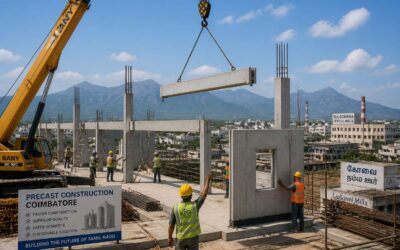
On site, the work becomes technique: panels settle into joints, dowels and bearing pads align, and joints accept designed compression as curing continues. The result—SA streets that endure sun and rain with confidence—speaks to the fusion of factory discipline and street-level craft.
Typical installation environments
Across South Africa, the quiet efficiency of precast paving speaks volumes. The foreman’s favorite line—”The factory cures what the site tests”—is more than bravado; it’s a truth you can walk on. The answer to what is precast concrete paving lies in factory-minted panels that cure under controlled conditions, then travel to site to lock into place with minimal fuss and maximum predictability. Surfaces greet sun and rain with patient confidence.
Typical installation environments span urban cores, suburbs, and rural gateways in SA, where panels endure heat, sun, and heavy loads.
- High-traffic urban streets and arterials
- Residential driveways and community access roads
- Commercial parking lots and retail precincts
- Industrial yards and logistics hubs
- Coastal towns and airports facing salt and abrasion
In the hands of craftspeople, panels become a quiet rhythm of place—aligned, sealed, and enduring. It is the steady beat of South African towns waking to durable surfaces, a daily comfort that carries people and stories forward.
Benefits and limitations of precast paving
Durability and load performance
Installation speed and project timelines
In the hush between planning and pavement, precast systems cast order from chaos. For readers asking what is precast concrete paving, the answer is simple: factory-made elements snapped into place on site, delivering uniform performance and clean lines. “We bend time, not the schedule,” a project manager once told me, and progress thickens as joints align with uncanny precision!
- Faster installation and shorter project timelines from off-site fabrication.
- Tighter tolerances and consistent finishes boost durability and aesthetics.
- Reduced on-site waste and safer, cleaner working conditions.
- Higher upfront costs and dependency on crane access for large panels.
- Limited on-site flexibility for design changes and texture options.
Even the clock seems to bow to precast speed. Factory-finished units arrive ready for immediate placement, slashing weather delays and curing times that plague traditional pours. In South Africa’s bustling sites, this means tighter sequence planning, reduced night work, and a more confident project timeline.
Cost considerations and lifecycle savings
On a typical site, precast can trim installation time by up to 40%, a punchy stat that speaks to its efficiency! What is precast concrete paving becomes a study in precision when factory-made units snap into place with tight tolerances. For readers curious about what is precast concrete paving, the answer is tangible: durable, uniform panels that boost curb appeal.
- Initial cost vs lifecycle savings
- Durability and maintenance implications
- Logistics: crane access and texture options
Beyond numbers, lifecycle savings mean steadier budgets and safer, cleaner sites. In South Africa’s busy cities, precast often wins when speed and predictability matter most.
Design flexibility and aesthetic options
Benefits and limitations of precast paving reveal a study in balance. what is precast concrete paving? It’s factory-made panels that snap into place with tight tolerances, offering predictable finishes, quicker installation, and cleaner sites. Yet, the approach can limit bespoke detailing on complex terrains.
Design flexibility and aesthetic options extend the value: textures mimic stone, colors run through panels, and modular sizes create inviting patterns without sacrificing install speed. In South Africa, streetscapes stay cohesive while reflecting local character and light in ways precast can translate best. In a city where speed often trumps nuance, these choices become a quiet narrative.
- Texture options include exposed aggregate, slate-like, or timber-look finishes
- Color control via integral pigments for long-term stability
- Edge and joint treatments for varied profiles and slip resistance
Materials, finishes and durability
Concrete mixes, additives and strength
Durability matters in every SA courtyard, and what is precast concrete paving if not reliable, weather-ready slabs cast in controlled factories? These pre-made units deliver consistent strength, tight tolerances and uniform finishes, reducing on-site drama and keeping projects moving fast.
- Pozzolanic additives (fly ash, silica fume, or slag) to boost strength and reduce permeability
- Water-reducing admixtures (superplasticizers) for workability without increasing cement content
- Air-entraining agents to improve freeze–thaw durability and surface hardness
Finishes and durability go hand in hand. Exposed aggregate, brushed textures, or honed surfaces offer slip resistance and aesthetic appeal, while higher-strength mixes (C30/37 to C40/50) resist loading and wear. In SA conditions, surface hardness and moisture resistance reduce maintenance, ensuring pavings stay sharp longer.
Surface textures and slip resistance
South Africa’s heat and rain test driveways daily. what is precast concrete paving, and the answer is simple: factory-cast slabs designed for weather, load and longevity, ready to install.
Materials and surface engineering shape the feel underfoot. The top layer can be tailored for grip without sacrificing aesthetics, using textures created during casting and curing.
- Rugged textures that boost slip resistance in wet conditions
- Subtle micro-textures that keep lines clean and maintenance low
- Textured finishes that balance grip with visual depth
Durability under SA conditions means surface hardness and moisture resistance. Precast paving resists cracking, spalling and wear, keeping edges crisp and colors stable through seasonal changes.
Reinforcement and jointing options
So, what is precast concrete paving? It’s factory-cast slabs designed to weather the SA climate, bear daily foot traffic, and endure decades beyond the first rain. From factory floor to curb edge, these slabs arrive ready to install and perform with grace.
Materials and finishes shape the tactile experience underfoot. The top layer can be textured or colored, fine micro-rills or rugged surfaces to balance grip with aesthetics, and curing methods ensure long-lasting color and moisture resistance.
Reinforcement and jointing options keep the system resilient through seasonal cycles. Consider these approaches to suit local conditions:
- Steel reinforcement: galvanized, epoxy-coated, or stainless for corrosion resistance
- Fiber reinforcement: polypropylene or steel fiber mixes for crack control
- Jointing systems: contraction joints and expansion joints with compatible sealants
With the right mix, precast paving stands firm against cracking, edge spalling, and color fade as temperatures swing and rainfall comes and goes.
Weather resistance and long-term durability features
In the longevity-driven world of paving, to answer what is precast concrete paving, it’s factory-cast slabs engineered to shrug off South Africa’s sun, seasonal showers, and daily foot traffic. From factory floor to curb edge, these slabs arrive ready to install and perform with poise through decades of weather and use.
Materials and finishes shape the underfoot experience and the surface’s long-term stance. The curing regime and the chosen concrete mix lock in color, curb moisture uptake, and resistance to staining, while textures balance grip with a refined aesthetic — as if the surface wears a quiet spell against the elements.
- Reinforcement choices tailored to local temperature swings
- Durable joint systems that handle expansion and contraction
- Textures and finishes that maintain slip resistance over time
Together, these elements keep precast paving unwavering against cracking, edge spalling, and color fade as temperatures swing and rains come and go in SA towns and coastal pockets.
Manufacturing, transport and site installation
Factory production and quality control
In South Africa’s evolving infrastructure, what is precast concrete paving? It’s factory-cast panels moulded, cured, and finished in controlled environments, then transported ready for installation. This approach blends reliability with architectural rhythm, turning busy precincts into durable surfaces that weather sun, rain and seasonal shifts.
- Precise moulding in climate-controlled bays
- In-process quality checks
- Shipping-ready packaging and handling
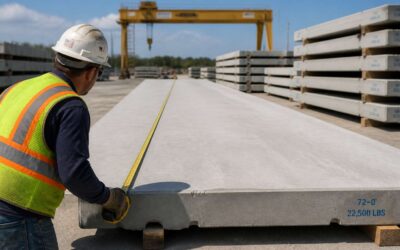
Transport and site installation require careful sequencing: panels are loaded to minimise cracking, delivered on time, and placed with exact jointing and alignment. On-site teams verify flatness, drainage, and edge detailing for a seamless finish.
Logistics: shipping, handling and installation windows
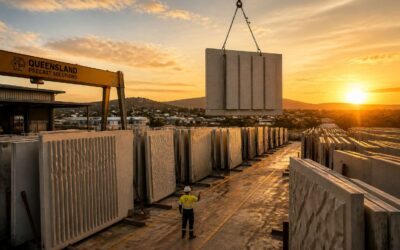
Across South Africa’s evolving urban landscapes, precast panels glide from controlled bays to bustling streets. So, what is precast concrete paving? It’s factory-cast panels molded, cured, and finished in climate-controlled spaces, then shipped to site ready for precise placement.
Shipping-ready packaging safeguards edge detailing; to avoid cracking, panels are sequenced and loaded with care.
- Precise loading patterns to minimise flex on transport
- Time-window delivery aligned with site crews
- On-site handling guides to maintain flatness and joints
On arrival, trained crews verify flatness, drainage, and edge detailing, then place panels with exact jointing and alignment. Proper sequencing respects installation windows and seasonal shifts, ensuring long-lasting surfaces that meet architectural rhythms and the city’s living pulse.
Site preparation, laying and alignment techniques
In clear terms, what is precast concrete paving hinges on factory precision: panels molded, cured, and finished in climate-controlled bays, then shipped to site ready for precise placement. These factory-made slabs arrive uniform in texture and edge detail, enabling a city’s paving to unfold with calm, measured confidence.
Transport and handling follow a choreography written in steel and scheduling. Shipping-ready packaging safeguards edge detailing; to avoid cracking, panels are sequenced and loaded with care.
- Precise loading patterns to minimise flex on transport
- Time-window delivery aligned with site crews
- On-site handling guides to maintain flatness and joints
On arrival, trained crews verify flatness, drainage, and edge detailing, then lay and align panels with precise jointing. From the field, I’ve seen how this choreography becomes the street’s quiet poetry, as site preparation guides bedding and subbase readiness, while laying and alignment techniques respect gradients and the city’s pulse, delivering surfaces that endure through seasons and footfalls.
Jointing, sealing and curing procedures
In a rural workshop and a city street, what is precast concrete paving becomes a story of quiet precision! Panels are molded, cured, and finished in climate-controlled bays, then shipped to site ready for precise placement. Texture and edge detailing arrive uniform, setting a calm cadence for the street’s work ahead.
Manufacturing and transport lead the way to on-site installation, where jointing, sealing and curing procedures preserve flatness, drainage and edge stability. Each panel is sequenced for loading to minimise flex, and packaging guards the delicate faces from scuffing.
- Jointing alignment supports drainage and even gaps
- Sealing choices tailored to South Africa’s sun and moisture
- Curing protocols that lock in strength
On arrival, trained crews verify flatness and bedding, then lay and align panels with measured joints, letting the pavement take shape with the land and the season.
Maintenance, longevity and sustainability considerations
Maintenance schedules and routine care
Ask what is precast concrete paving and you quickly discover it’s durable, stylish, and surprisingly low-maintenance. Industry chatter suggests maintenance costs can be up to 25% lower than traditional paving—good news for shopping precincts, factories, and suburban driveways alike!
Maintenance schedules and routine care keep the surface honest. Practical upkeep centers on cleanliness, periodic inspections, and timely resealing as recommended by professionals.
- Regular cleaning with a soft brush and mild detergent
- Joint inspections to spot cracks or movement
- Professional resealing when wear is evident
Sustainability comes from longevity and reuse. Precast paving’s durability reduces replacement cycles, and factory-quality finishes limit wear while a locally produced footprint lowers transport energy—crucial considerations for South Africa’s infrastructure and evolving urban spaces.
Repair, replacement and upgrade strategies
In discussions about maintenance, what is precast concrete paving becomes a common reference, a quiet guardian against time. Maintenance costs can be up to 25% lower than traditional paving, a compelling incentive for shopping precincts and suburban driveways alike. It’s built to endure with minimal upkeep: regular cleaning with a soft brush and mild detergent, periodic joint inspections, and professional resealing when wear shows. The outcome is a surface that stays presentable under South Africa’s climate.
- Repair: address cracks and movement promptly to prevent escalation.
- Replacement: schedule targeted section refreshes rather than whole areas.
- Upgrade: incorporate modular precast panels that adapt to changing loads and aesthetics.
Sustainability comes from longevity and reuse. Precast paving’s factory-controlled finishes curb wear, while local production trims transport energy. Smart siting and phased upgrades let existing layouts evolve without full demolition, aligning with South Africa’s infrastructure needs.
Lifecycle costs and environmental impact
Under South Africa’s sun and seasonal rains, the right pavement quietly outlasts expectation. Maintenance costs can be up to 25% lower than traditional paving, turning upkeep into a predictable expense rather than a cost of surprise. If you’ve ever asked what is precast concrete paving, the answer is resilience engineered in factory settings.
Longevity means fewer disruptions and a surface that holds its character. With modular joints and factory-finished surfaces, upkeep becomes simple: gentle cleaning, mild detergent, and periodic resealing when wear appears. A compact maintenance checklist follows:
- Reduced repair frequency
- Targeted refresh over full replacement
- Timely resealing to extend life
Sustainability arises from longevity and reuse. Factory finishes curb wear; local production trims transport energy. Smart siting and phased upgrades let spaces evolve without demolition, aligning with South Africa’s infrastructure needs and delivering lower lifecycle costs and smaller environmental footprint.
Standards, warranties and testing regimes
South Africa’s sun and seasonal rains demand resilience—pavements that endure without drama. For many readers asking what is precast concrete paving, the answer lies in factory precision: controlled curing, tight joints and uniform finishes that resist cracking and fading. The result is a surface that stays truer longer, with a lighter maintenance burden than traditional paving.
Understanding what is precast concrete paving helps stakeholders track performance against standards.
- Rigorous third‑party testing for strength, slip resistance and long-term durability
- Clear warranty terms backed by documented factory quality control
- Auditable checks during logistics, curing and installation
When these standards are in place, longevity, environmental efficiency and lifecycle value follow.
0 Comments