
Understanding precast concrete wall systems
Definition and core features
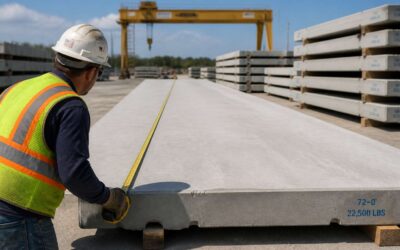
In a landscape where Cape winds whip like ghosts, what is precast concrete wall becomes a quiet revelation. It is a wall section cast in a factory and lifted into place, not shaped on site. This off-site manufacture yields smooth joints, uniform strength, and a finish that stays steadfast through SA heat and rain.
Factories whisper the secrets of its core features: precision, durability, speed, and sustainability. The panels arrive with tight tolerances, water resistance, and thermal mass that keeps interiors calm. On the ground, teams align, bolt, and seal with measured rhythm, turning a messy perimeter into a seamless fortress.
- Factory production and quality control
- Precise tolerances and repeatable performance
- Rapid on-site installation with minimized disruption
- Enhanced thermal and acoustic isolation
In South Africa, this practice translates to projects that stand tall against storms, with cleaner sites and calmer clients!
Precast vs. traditional wall construction
Across South Africa, the skyline wears a weathered grin as the wind whispers through the veld. To answer what is precast concrete wall, I picture factory-made panels traveling to site and rising like sentry walls, edges sealing with engineered precision. They endure SA heat and rain with a quiet, almost spectral resolve!
In contrast to on-site masonry, I’ve learned to hear the rhythm of factory fabrication. Here are the distinctions that matter:
- Tight tolerances and repeatable performance
- Rapid installation with minimal site disruption
- Enhanced thermal and acoustic isolation
On South African projects, this translates into a fortress that looks after itself. I watch clients breathe easier, as cleaner sites and walls that hold the line against sun, wind, and rain become the quiet heartbeat of a building.
Common panel types and configurations
Across South Africa, projects using precast walls cut on-site construction time by up to 40% and still stand with quiet resilience. Understanding what is precast concrete wall means peering into factory-made panels that travel to site and stand like sentries, weathering SA heat with patient endurance.
Common panel types and configurations you’ll meet on site include a few widely used forms:
- Solid, monolithic panels with full-depth reinforcement
- Hollow-core and ribbed panels that save weight
- Insulated sandwich panels for thermal efficiency
- Architectural finish panels for aesthetics
These options translate into walls that speak softly of precision, offering tight tolerances and rapid assembly without abandoning character. In SA buildings, they become a quiet heartbeat, balancing sun and shade, wind and rain with an artisan’s calm.
Typical use cases and applications
Across South Africa’s evolving skylines, what is precast concrete wall? It is factory-made panels that travel to site and stand like sentries, weathering SA heat with patient endurance.
The practical canvas of precast walls comes alive through diverse use cases across SA: resilient boundaries, quick-erect industrial shells, and elegant façades that age gracefully.
Typical use cases and applications:
- Urban housing and mixed-use developments for rapid erection
- Educational campuses, clinics, and hospitals needing clean lines and durability
- Industrial facilities, warehouses, and logistics hubs demanding tough perimeters
- Boundary walls with sound attenuation and thermal performance
Materials, manufacturing, and finishes
Concrete mix design and strength considerations
Exploring what is precast concrete wall reveals a sculpted fusion of factory precision and enduring South African craftsmanship. In our landscapes, these panels arrive ready to embrace light, air, and weather, carrying both strength and grace. Materials, manufacturing, and finishes converge in a single pane: cementitious mix, locally sourced aggregates, and tempered water with smart admixtures, then a surface treatment that speaks of permanence.
- Cementitious binder
- Aggregates (sand and gravel)
- Finishing options (textured, brushed, or painted)
Concrete mix design and strength considerations shape performance. Designers tune the water-cement ratio, slump, and curing regime to optimize modulus of elasticity, flexural capacity, and crack resistance while keeping workability high for installation. Finishes, from satin to rugged, endure South Africa’s sun and rain, aging gracefully with minimal maintenance.
Reinforcement options and integration
In answering what is precast concrete wall, think of factory-made panels born in a controlled South African workflow. A cementitious binder, locally sourced aggregates, tempered water, and smart admixtures create a durable, uniform core.
Finishes range from textured and brushed to painted, with surface treatments designed for permanence under South Africa’s sun and rain—these panels age gracefully and quietly.
Reinforcement options are built into the panel design and vary with span, load, and corrosion risk.
- Steel reinforcement bars embedded in the concrete
- Post-tensioning cables for longer spans and reduced cracking
- Fiber-reinforced polymer (FRP) elements for corrosion resistance
Connections with foundations, sleeves for utilities, and alignment tolerances ensure on-site installation remains swift, predictable, and less disruptive.
Surface finishes and textures
In a climate where South Africa’s sun, dust, and rain test every panel daily, the materials inside a precast wall determine decades of service. To answer what is precast concrete wall, at its heart lies a cementitious binder, locally sourced aggregates, tempered water, and smart admixtures, blended in a controlled factory workflow for a stable core.
Manufacturing takes place in a South African facility where QA guides every step—from mixing to curing—yielding uniform panels with predictable behavior and enduring aesthetics against weathering, quietly defiant.
Surface finishes and textures transform a wall’s feel without compromising durability. Options span textured, brushed, and painted surfaces, with UV-resistant sealers and protective coatings tailored for permanence under South Africa’s sun and rain.
- Exposed aggregate texture for depth and ease of maintenance
- Subtle brush textures for light reflection
- Integral color with UV-stable sealers for lasting tone
- Clear protective coatings to resist rain and abrasion
Insulation and energy performance
In a sun-scorched South Africa, a well-insulated precast wall trims cooling loads by up to 30%. In exploring what is precast concrete wall, we find a factory-born heart—cementitious binder, locally sourced aggregates, tempered water, and smart admixtures—cast to yield a durable, weather-defiant skin.
Manufacturing in a South African facility, QA guides every step—from mixing to curing—creating panels with uniform behavior. Cores can be tailored with insulated foams or mineral wool for energy performance.
- Insulated cores (foam or mineral wool)
- Hollow-core structures for efficiency
- Airtight joints and coatings to reduce heat transfer
Finish and texture shape the moment; UV-stable sealers guard color while weathering is kept at bay. Paired with smart insulation, the wall shapes a comfortable interior, quiet and enduring, distinctly South African in character.
Color options and aesthetics
This is what is precast concrete wall really about—the honest materials and a sense of place. In South Africa, such walls can slash maintenance by up to 30% over a lifetime. A cementitious binder, locally sourced aggregates, tempered water and smart admixtures are cast into panels that endure the sun and rain with quiet dignity.
Manufacturing follows a tight QA discipline from mixing to curing, delivering panels with uniform behavior. Cores can be insulated with foam or mineral wool, and hollow-core designs help energy and weight without compromising strength.
Finish and color tease out character. Finish and texture shape the moment; UV-stable sealers guard color while weathering is kept at bay. For color options and aesthetics, earthy tones, sandstone and charcoal offer options that age gracefully.
Design, standards, and engineering considerations
Building codes and industry standards
Designers who ask what is precast concrete wall discover a modular world where form meets function. In South Africa, these panels arrive engineered and weather-tight, accelerating programs while preserving aesthetic clarity and durability!
Design, standards, and engineering considerations center on aligning panel geometry with loads, joints, and services. The SA context demands fire performance, wind resistance, and long-term durability baked into every connection.
- Structural fit and load path
- Joint sealing and weatherproofing
- Quality assurance and tolerances
South Africa’s building codes and industry standards guide these choices, turning design into verifiable performance rather than guesswork.
Structural design and load paths
So, what is precast concrete wall? It’s a panelized solution that ships engineered and weather-tight, turning construction time into a sprint. Off-site fabrication means tighter tolerances, cleaner interfaces, and fewer site surprises—perfect for busy SA projects that demand clarity and durability.
Design, standards, and engineering considerations center on aligning panel geometry with loads, joints, and services. In South Africa, the emphasis is on fire performance, wind resistance, and long-term durability baked into every connection.
Key design considerations include:
- Structural fit and load path
- Joint sealing and weatherproofing
- Quality assurance and tolerances
South Africa’s codes and standards guide these choices, turning design into verifiable performance rather than guesswork. This approach preserves aesthetic clarity while ensuring service runs are clean and durable across climates.
Seismic and wind considerations
what is precast concrete wall? It’s a panelized, engineered solution that ships weather-tight and ready to deploy, turning site time into a sprint. Off-site fabrication means cleaner interfaces and fewer site surprises—perfect for projects that demand clarity and durability from the first pour to the last bolt.
In South Africa, design, standards, and engineering considerations start with aligning panel geometry to loads and services, then stretching those ideas through wind and seismic realities. The emphasis is on wind resistance, fire performance, and long-term durability baked into every connection—because a strong wall should also survive a Pretoria breeze and a coastal cape storm.
Key focuses include:
- Seismic detailing and ductile connections
- Wind uplift resistance and edge detailing
- Anchorage to foundations and service integration
South Africa’s codes and standards guide these choices, turning design into verifiable performance rather than guesswork. This approach preserves aesthetic clarity while ensuring service runs stay clean and durable across climates.
Durability, maintenance, and warranties
Wind and storms demand more than charm; what is precast concrete wall but a panelized, engineered solution that ships weather-tight and ready to deploy, turning site time into a sprint. Design, standards, and engineering considerations start by aligning panel geometry to loads and services, then translating those ideas through wind realities and seismic checks. The aim is durability from the first pour to the last bolt—so projects resist the Pretoria breeze and the coastal cape storms with quiet confidence.
- Durability targets: corrosion protection, freeze-thaw resilience, and surface wear resistance
- Maintenance planning: access for inspections, resealing cycles, and coating lifecycles
- Warranty structure: manufacturer warranties, workmanship guarantees, and performance milestones
Installation, performance, and lifecycle benefits
Site logistics and transportation
On SA job sites, speed and precision decide the outcome. What is precast concrete wall? It’s factory-cast panels that arrive ready to stand, slashing on-site drama and weather risk. Projects in South Africa routinely save weeks and gain a crisper exterior with lasting durability.
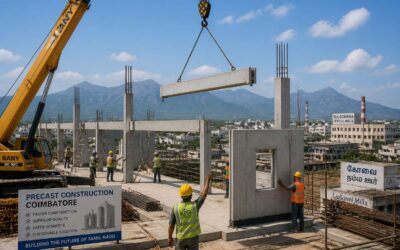
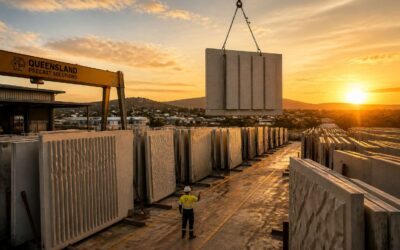
Installation relies on modular precision and faster assembly. Panels ship with tight tolerances and crane-ready fittings, so crews move with confidence, not risk. Performance is consistent, weather-resistant, and visually stable—delivering a reliable façade from first lift.
- Off-site fabrication reduces on-site delays
- Crane-ready panels accelerate assembly
- Lower weather risk and safer work zones
Lifecycle benefits continue after erection: durable panels slash maintenance and long-term costs. Transport and site logistics become choreographed—minimized movements, safer handling, and fewer weather surprises on delivery days.
Assembly, connections, and sealants
The question of what is precast concrete wall resonates on South African job sites: factory-cast panels that arrive ready to stand, slashing on-site drama and weather risk. They translate to faster façades, crisper exteriors, and a durable silhouette that outlives weather and time.
Installation relies on modular precision and faster assembly.
- Assembly: Panels ship with tight tolerances and crane-ready fittings, letting crews move with confidence.
- Connections: Interlocking joints and streamlined fasteners create clean lines and dependable load paths.
- Sealants: Weather-resistant joint treatments seal the spectrum of seasons, ensuring durability from first lift to long life.
Lifecycle benefits continue after erection: durable panels slash maintenance and long-term costs. Transport and site logistics become choreographed—minimized movements, safer handling, and fewer weather surprises on delivery days.
Moisture control and air sealing
Moisture control and air sealing are where precast panels reveal their quiet, stubborn integrity. As panels are crane-set and jointed, the design channels moisture away and keeps air where it belongs. In short, what is precast concrete wall but a purpose-built barrier that anticipates the South African climate—dry summers, sudden rains, high humidity? When the envelope seals properly, indoor comfort stabilises, condensation recedes, and energy use follows a gentler curve.
Three practical advantages on site include:
- Continuous air barrier at panel interfaces
- Water-shedding edges and watertight joints
- Durable sealants resistant to heat and UV
Lifecycle benefits continue after erection: safer handling and lower maintenance, with panels maintaining form despite weather. what is precast concrete wall? A testament to precision and quiet efficiency.
Lifecycle costs and sustainability advantages
Across South Africa, precast installations can shave weeks from the schedule—on ambitious projects, up to 30% faster on-site performance. what is precast concrete wall, it’s a modular, factory-made panel system that slips into place with quiet, relentless precision, crane-set and sealed at every joint for a clean, weather-ready shell that seems to anticipate rain before it arrives.
Performance unfolds in the edges: a continuous air barrier where panels meet keeps drafts at bay, while water-shedding details and watertight joints resist the worst downpours. Durable sealants endure heat and UV, preserving indoor comfort and steady energy use even under South Africa’s bright sun and sudden showers.
Lifecycle costs and sustainability advantages emerge long after the crane departs. Safer handling, lower upkeep, and panels that resist weathering translate to durable value and quieter maintenance cycles. It becomes a steadfast guardian—economic, ecological, and eerily efficient—standing watch over buildings as days turn to years.
Repair, retrofit, and long-term maintenance
What is precast concrete wall? It’s a modular, factory-made panel system that slips into place with quiet precision. In South Africa, on ambitious projects, crane-set panels sealed at every joint can speed installation by up to 30%.
Performance reveals itself at the edges: a continuous air barrier where panels meet keeps drafts out, while water-shedding details and watertight joints resist heavy rain. UV-stable sealants preserve indoor comfort and steady energy use in our sunny climate.
Lifecycle advantages show after the crane leaves: safer handling, lower upkeep, and weather-resistant panels translate to durable value and quieter maintenance cycles over years.
Repair and retrofit are straightforward with precast walls. Replaceable panels, refreshed seals, and predictable tolerances enable efficient long-term maintenance and upgrades.
- Easy panel replacement
- Refreshable seal joints
- Minimal disruption during upgrades
0 Comments