
Understanding Precast Concrete Gutter
Definition and Overview
Precast concrete gutters are the unsung heroes of urban infrastructure, quietly managing rainwater runoff with precision and durability. These prefabricated marvels are manufactured off-site in controlled environments, ensuring they meet stringent standards before making their debut on your property. Imagine a system that’s not only robust but also quick to install—talk about efficiency in the concrete jungle!
In essence, a precast concrete gutter is a pre-formed section of drainage channel designed to fit seamlessly into a variety of landscape architectures. Their versatility makes them a popular choice in South Africa, where unpredictable weather demands resilient solutions. They’re engineered to withstand the harshest elements, from the blazing sun to heavy downpours, all while maintaining their structural integrity over decades.
- Durability against corrosion and weathering
- Ease of installation, reducing labor costs
- Customizable sizes and profiles to suit specific needs
Types of Precast Concrete Gutters
In the intricate dance of urban planning, the precast concrete gutter emerges as a silent conductor, orchestrating the flow of rainwater with unwavering precision. But within this realm, a fascinating spectrum of styles and forms coexists—each type tailored to meet the nuanced demands of diverse landscapes. From the sleek, shallow profiles designed for gentle slopes to the robust, deep-seated channels suited for heavy stormwater, the variety of precast concrete gutters is as vast as the skies they serve beneath.
Understanding the different types of precast concrete gutter systems is key to appreciating their versatility.
- Standard rectangular gutters, known for their simplicity and efficiency, are a popular choice across South Africa’s urban and suburban spaces.
- Half-round precast concrete gutters lend a classic elegance, fitting seamlessly into historic districts or aesthetic landscapes.
- Slot drains, with their slender openings, excel in managing surface runoff where space is at a premium.
Each type embodies a unique marriage of form and function, crafted to withstand South Africa’s capricious weather while offering ease of installation and longevity. The selection of the right precast concrete gutter is a decision rooted in the subtle poetry of function and form, ensuring the urban environment remains resilient and fluid, come rain or shine.
Key Features and Benefits
Precast concrete gutters are more than mere conduits for rainwater; they are silent guardians of urban resilience. Their key features reveal a careful balance of strength, durability, and adaptability—traits essential in South Africa’s unpredictable climate. These gutters are manufactured with precision, ensuring uniformity in shape and size, which translates to seamless installation and minimal maintenance.
One of the most compelling benefits of a precast concrete gutter lies in its longevity. Crafted from high-quality materials, it withstands harsh weather conditions, corrosion, and heavy stormwater flows without faltering. This resilience reduces the need for frequent repairs and replacements, ultimately offering a cost-effective solution that lasts for decades.
Moreover, the inherent strength of precast concrete gutter systems ensures they can handle significant loads, making them ideal for both urban streets and rural landscapes. Their versatility is further highlighted by a variety of styles—from sleek, shallow profiles to deep, robust channels—each tailored to meet specific environmental demands. The combination of form and function in a precast concrete gutter creates a resilient infrastructure that silently upholds the integrity of our cities and communities.
Material and Manufacturing Process
Types of Concrete Used
Material selection and manufacturing processes breathe life into the seemingly utilitarian precast concrete gutter, transforming raw materials into durable conduits that withstand the relentless march of time and elements. The core component—concrete—must be carefully chosen, often a blend of cement, water, aggregates, and admixtures, tailored for optimal strength and longevity. The magic, however, lies in the manufacturing process, where precision molds shape each section with unwavering consistency, ensuring seamless integration and minimal future maintenance.
When it comes to the types of concrete used, a nuanced approach is essential. For South African infrastructure, high-performance concrete with enhanced resistance to moisture and chemical attack is paramount—especially in areas prone to heavy rainfall or urban runoff. In fact, the most resilient precast concrete gutter systems incorporate reinforced concrete, embedding steel bars or mesh to bolster structural integrity. This combination ensures the precast concrete gutter remains resilient against cracking, deformation, and corrosion over decades of exposure.
Understanding these materials and processes isn’t just about construction—it’s about shaping environments that endure, protect, and serve generations. The choice of concrete type and manufacturing method underscores a deeper commitment to quality, sustainability, and the human need for reliable infrastructure that quietly sustains daily life beneath our feet.
Precast vs. Cast-in-Place Gutters
The choice between precast concrete gutter and cast-in-place alternatives hinges on more than just preference—it’s about harnessing the power of manufacturing precision and material science. Precast concrete gutters are produced in controlled environments, allowing for meticulous quality control that minimizes defects and ensures uniformity. This process results in sections with smooth finishes, exact dimensions, and superior durability—crucial for South Africa’s demanding weather conditions.
In contrast, cast-in-place gutters are poured directly on-site, offering flexibility but often at the cost of consistency and longer installation times. The manufacturing process for precast concrete gutter involves casting sections in molds, then curing them under optimal conditions. This not only accelerates installation but also guarantees that each segment meets stringent standards for strength and resilience. For high-performance infrastructure, especially in urban areas prone to heavy rainfall, precast concrete gutter systems outshine their cast-in-place counterparts with their predictable quality and longevity.
Manufacturing Techniques
In the realm of precast concrete gutter manufacturing, material selection and craftsmanship intertwine like a tapestry woven by skilled artisans. The choice of concrete, often a blend of high-quality aggregates, cement, and additives, dictates not only the strength but also the weathering resilience essential for South Africa’s diverse climate. When combined with innovative manufacturing techniques, these materials transform into durable sections capable of withstanding the relentless march of time and nature’s fury.
The manufacturing process of a precast concrete gutter is a symphony of precision and control. Sections are cast in molds—carefully crafted to exact dimensions—then cured under carefully regulated conditions to ensure optimal strength and surface quality. This controlled environment minimizes imperfections and guarantees consistency across all sections, a feat impossible with on-site poured alternatives. The meticulous curing process enhances the material’s resilience, making these gutters ideal for heavy rainfall and corrosive environments.
Advanced manufacturing techniques, such as vacuum consolidation and steam curing, further elevate the quality of precast concrete gutter systems. These methods promote dense, uniform structures that resist cracking and deterioration. For optimal results, manufacturers often employ
- precision molds
- automated pouring systems
- rigorous quality control checks
to ensure each segment meets the highest standards. The outcome is not just a gutter, but a testament to the marriage of material science and manufacturing mastery—delivering longevity and performance in every piece.
Quality Control Measures
In the world of precast concrete gutter manufacturing, meticulous quality control measures are the backbone of durability and performance. Every section undergoes rigorous testing to ensure it meets stringent standards, especially vital in South Africa’s unpredictable climate. From the selection of high-grade aggregates to the precise curing process, each step is carefully monitored to uphold the integrity of the final product.
To guarantee consistent excellence, manufacturers implement a series of quality assurance protocols. These include regular inspections of molds, controlled curing environments, and advanced techniques such as vacuum consolidation and steam curing. Such methods produce dense, crack-resistant precast concrete gutter sections capable of withstanding heavy rainfall and corrosive elements.
- Material consistency checks
- Dimensional accuracy evaluations
- Surface quality inspections
These checks ensure every piece aligns perfectly with design specifications, delivering long-lasting performance and peace of mind for construction projects across South Africa.
Design Considerations for Precast Concrete Gutter
Standard Sizes and Customization
When it comes to designing the perfect precast concrete gutter, understanding standard sizes and the scope for customization is essential. South African infrastructure demands a blend of durability and adaptability, making thoughtful design considerations a top priority. A well-crafted precast concrete gutter not only channels water efficiently but also withstands the test of time amid our varied climate conditions.
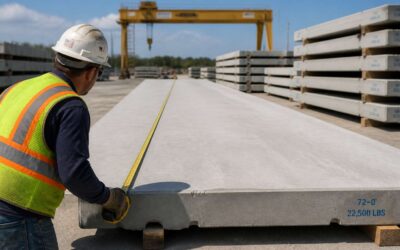
Standard sizes for precast concrete gutters are typically dictated by common drainage needs, but they can be tailored to fit specific project requirements. Customization allows engineers and builders to select dimensions that align with the unique topography and rainfall patterns of a location. For example, in rural areas where water runoff can be unpredictable, larger or specially shaped precast concrete gutters are often preferred to prevent overflow and erosion.
When planning for these gutters, consider factors such as load-bearing capacity, flow rate, and installation ease. It’s also important to work with manufacturers who offer flexibility in design—whether that means varying the length, width, or adding features like drainage holes. Such thoughtful customization ensures the precast concrete gutter fits seamlessly into the landscape, offering both functionality and longevity that communities rely on day after day.
Load-Bearing Capacity
When it comes to designing a precast concrete gutter that can stand the test of time, load-bearing capacity isn’t just a technical detail—it’s the backbone of durability. South African infrastructure demands gutters that can handle everything from relentless rain to the occasional misadventure of a runaway shopping cart. Overlooking this crucial aspect can turn a simple water management system into a costly nightmare.
In essence, a well-engineered precast concrete gutter must support its own weight plus whatever debris and water it channels—no small feat! An underperforming gutter risks cracking, collapsing, or worse, becoming a liability during heavy downpours. To avoid such calamities, consider incorporating reinforcement techniques like steel mesh or fiber-reinforced concrete. These additions bolster the load-bearing capacity, ensuring the gutter remains resilient against both natural and man-made pressures.
- Assess the maximum flow rate expected during peak rainfall.
- Calculate the total weight load, including snow, debris, and potential vehicles passing nearby.
- Choose materials and reinforcement options that meet or exceed these requirements.
Remember, the goal is a precast concrete gutter that’s not just functional but also a silent guardian of your infrastructure—standing firm through South Africa’s unpredictable climate and heavy usage. Because when it comes to water management, a little extra load capacity means fewer tears later on!
Slope and Drainage Efficiency
Designing an effective precast concrete gutter hinges on meticulous attention to slope and drainage efficiency. In South Africa’s unpredictable climate, ensuring water flows swiftly and smoothly away from infrastructure can mean the difference between resilience and disaster. Proper slope isn’t just about aesthetics; it’s vital for preventing water pooling, which can cause erosion or structural damage over time.
A well-sited precast concrete gutter should feature a gentle yet consistent incline—typically around 1-2%—to facilitate gravity-driven drainage without causing splash or erosion. Achieving this balance requires precise calculations that consider the gutter’s length, the expected volume of peak rainfall, and the surrounding landscape. When designed thoughtfully, the drainage system becomes an unobtrusive but powerful guardian against water damage.
- Assess the maximum flow rate during heavy downpours to determine the optimal slope.
- Factor in debris load and potential blockages that could impair drainage efficiency.
- Choose materials with smooth internal surfaces to minimize resistance and promote swift water movement.
For a precast concrete gutter to perform at its best, every element—from the slope to the material finish—must work harmoniously. When well-executed, it ensures that water is swiftly channeled away, reducing the risk of flooding and prolonging the lifespan of your infrastructure. In South Africa’s climate, where heavy rains can strike unexpectedly, a thoughtfully designed precast concrete gutter is truly a silent hero—standing firm through the storm!
Integration with Road and Pavement Structures
In the intricate dance of urban design, the integration of a precast concrete gutter with road and pavement structures demands a symphony of precision and foresight. South Africa’s diverse terrain and unpredictable weather patterns challenge engineers to craft drainage solutions that are both resilient and harmonious with their environment. Every curve, every joint, must be calibrated to withstand the relentless march of time and the fury of heavy rains.
When planning for seamless integration, consider the following:
- The alignment must complement the natural flow of traffic and pedestrian movement, avoiding obstructions that could hinder water runoff.
- The joint design should facilitate expansion and contraction, preventing cracks that could compromise drainage efficacy.
- Structural load considerations are paramount; the precast concrete gutter must support vehicular weight without deforming or displacing.
Balancing these elements ensures that the precast concrete gutter becomes an unobtrusive yet vital component—one that melds form with function, seamlessly bridging infrastructure and environment. Such meticulous design transforms ordinary drainage into an enduring testament to engineering artistry, resilient against the capricious climate of South Africa.
Installation and Maintenance
Installation Procedures
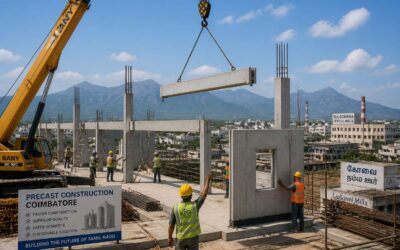
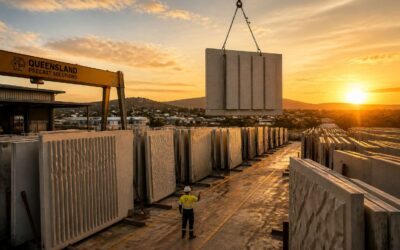
Installing a precast concrete gutter is a process that demands precision and attention to detail. When executed correctly, it ensures longevity and optimal drainage performance, crucial for South Africa’s diverse climate. The first step involves careful site preparation, ensuring the foundation is level and free of debris. Once the groundwork is set, the precast concrete gutter is positioned with meticulous care, often using cranes or specialized lifting equipment to avoid cracks or damage. Proper alignment is essential to guarantee effective water flow and avoid future maintenance issues.
For seamless integration, some contractors opt for a specific sequence of steps, which can be summarized as follows:
- Positioning the precast concrete gutter on a clean, stable base.
- Securing the unit with fasteners or grout as recommended by manufacturer guidelines.
- Ensuring proper slope for efficient drainage—typically about 1-2%—to prevent water pooling.
- Connecting adjacent sections with flexible joints or sealants to account for expansion and contraction.
Maintenance of a precast concrete gutter is relatively straightforward. Regular inspections for cracks, blockages, or signs of wear help maintain its integrity. Cleaning debris and flushing out accumulated silt or leaves prevents clogs, especially during South Africa’s rainy seasons. With thoughtful installation and routine upkeep, a precast concrete gutter can serve reliably for decades, standing as a testament to durable engineering and craftsmanship.
Common Challenges and Solutions
Even the most expertly installed precast concrete gutter can face challenges if not maintained properly or if overlooked during installation. In South Africa’s unpredictable climate, issues like cracking or blockages can become common, especially if drainage slopes are improperly configured or debris accumulates. These problems, while seemingly minor, threaten the longevity and performance of the gutter system, emphasizing the importance of vigilant care.
One of the most frequent issues encountered is water pooling, often caused by inadequate slope or misalignment during installation. To counter this, ensuring a precise 1-2% slope is vital for effective drainage. Additionally, external factors such as soil movement or temperature fluctuations can cause cracks or joint separation. Regular inspections and prompt repairs are essential to address these concerns before they escalate.
Some contractors use a series of solutions to mitigate common challenges associated with precast concrete gutter installation:
- Applying flexible sealants at joints to accommodate expansion and contraction, preventing leaks.
- Using high-quality grout and fasteners to secure sections firmly, reducing the risk of displacement.
- Implementing routine cleaning schedules to remove leaves, silt, and other debris that cause blockages.
By proactively addressing these typical challenges, property owners and contractors can extend the lifespan of a precast concrete gutter, ensuring optimal drainage and reducing costly repairs over time. Proper installation paired with consistent maintenance transforms these durable structures into reliable guardians against South Africa’s heavy rains and seasonal storms.
Maintenance Best Practices
Proper installation and ongoing maintenance of a precast concrete gutter are the silent guardians of structural integrity, especially in South Africa’s volatile climate. These durable conduits require more than just placement; they demand a keen eye and deliberate care to sustain their efficiency. A misaligned gutter or neglect can quickly turn a reliable system into a source of costly repairs, threatening the very foundations of your property.
Routine inspections are the cornerstone of maintenance best practices. Regularly checking for cracks, joint integrity, and slope accuracy ensures water flows freely, preventing pooling and erosion. To optimize drainage, ensure that the precast concrete gutter maintains a consistent 1-2% slope—imperative for directing runoff effectively. External factors like soil movement and temperature fluctuations can induce stress; addressing these early with prompt repairs preserves the system’s longevity.
Implementing a simple yet effective maintenance checklist can dramatically extend the lifespan of your precast concrete gutter:
- Remove debris and silt to prevent blockages.
- Apply flexible sealants at joints to accommodate expansion and contraction.
- Secure sections with high-quality grout and fasteners for stability.
In the end, the resilience of a precast concrete gutter hinges on vigilant care and precise installation—an investment in safeguarding your property against South Africa’s seasonal storms and relentless rains. When maintained with deliberate intent, these structures do more than channel water; they uphold the very integrity of your space, standing as silent sentinels against the chaos of nature.
Inspection and Repair
In the shadowed corridors of infrastructure, the precast concrete gutter stands as an unassuming sentinel against the relentless assault of South Africa’s capricious weather. Yet, its silent vigil depends heavily on meticulous installation and vigilant inspection. A poorly aligned or compromised gutter can become a silent menace—causing erosion, water damage, and structural decay beneath the surface. The dark art of installation demands precision; any deviation in slope or joint integrity can spell disaster in the storm-laden seasons.
Routine inspection must be a ritual—an unyielding watch for cracks, joint deterioration, and misalignment. External stresses, such as soil movement or temperature swings, threaten the integrity of the precast concrete gutter, but early intervention can stave off costly repairs. A simple yet effective approach involves a structured maintenance process:
- Remove debris and silt to prevent blockages.
- Apply flexible sealants at joints to accommodate expansion and contraction.
- Secure sections with high-quality grout and fasteners for stability.
When the precast concrete gutter is kept under constant scrutiny, it transforms from a mere drainage conduit into a resilient barrier—an enduring guardian against South Africa’s wild, seasonal rains. Its longevity hinges on this delicate balance of precise installation and unwavering care, whispering promises of protection beneath the tumult of nature’s fury.
Applications and Use Cases
Urban Drainage Systems
Urban drainage systems form the backbone of resilient cities, especially in regions prone to heavy rains or unpredictable weather patterns. Precast concrete gutter units are transforming how municipalities and developers manage stormwater, offering a durable solution that withstands South Africa’s diverse climate. These gutters are particularly vital in high-traffic areas, commercial zones, and residential suburbs where efficient water runoff can prevent flooding and infrastructure damage.
In bustling urban environments, precast concrete gutters are often integrated into road and pavement structures, seamlessly blending functionality with aesthetics. They serve as vital components for drainage channels, directing water away from sensitive structures and reducing erosion. The versatility of precast concrete gutter applications extends beyond city streets—rural roads, industrial complexes, and agricultural land benefit greatly from their robust construction and ease of installation.
- Roadside drainage in urban and rural settings
- Protection of pedestrian walkways and public spaces
- Water management in industrial zones
- Drainage solutions for agricultural infrastructure
Highway and Roadside Drainage
When it comes to highway and roadside drainage, precast concrete gutter units are the unsung heroes of modern infrastructure. These sturdy marvels are expertly designed to handle South Africa’s unpredictable weather, channeling stormwater with precision and durability. Whether on bustling urban streets or quiet rural roads, they ensure water flows where it should—away from vehicles, pedestrians, and precious roadside vegetation.
In high-traffic zones, precast concrete gutters prevent the chaos of flooding and reduce erosion—saving municipalities from costly repairs and traffic snarls. They seamlessly integrate into road structures, providing a reliable drainage solution that’s both functional and visually unobtrusive. For example, a typical installation might involve:
- Directing rainwater runoff safely off the highway
- Protecting roadside embankments from washouts
- Preventing water pooling that could cause accidents or hydroplaning
From highway shoulders to rural country roads, precast concrete gutters are the backbone of resilient South African transportation infrastructure. Their robust construction ensures they stand the test of time, weather, and wear—making them an essential asset in any road drainage strategy. After all, a well-drained road is a safe road, and precast concrete gutter units are leading the charge in keeping South Africa moving smoothly.
Commercial and Industrial Projects
When it comes to commercial and industrial projects, precast concrete gutter units are the unsung heroes that keep things flowing smoothly—literally. From large-scale warehouses to bustling shopping centers, these durable drainage solutions are engineered to handle heavy water runoff with finesse. Their robust construction ensures they withstand the hustle and bustle of busy environments, resisting corrosion and impact damage better than your average gutter.
In industrial settings, proper drainage isn’t just a matter of convenience; it’s a safety imperative. Precast concrete gutters efficiently channel excess water away from critical infrastructure, preventing flooding and costly downtime. For projects with complex layouts, bespoke precast concrete gutter units can be tailored to fit any design, providing seamless integration with existing structures. Sometimes, a simple precast concrete gutter can be the difference between a dry, safe workspace and a soggy nightmare.
- Managing stormwater runoff from large rooftops
- Diverting water from loading docks and parking lots
- Supporting landscaping and erosion control in industrial zones
In essence, precast concrete gutter systems bring resilience and efficiency to commercial and industrial projects, proving that good drainage is an investment in longevity and safety. After all, nobody wants a flooded factory floor or a parking lot turned swamp—especially not in South Africa’s unpredictable climate. Precast concrete gutters are up to the task, ensuring your infrastructure stays dry, stable, and ready for whatever weather comes next.
Residential Landscaping
In the realm of residential landscaping, precast concrete gutter systems are transforming how homeowners and landscapers manage water flow. These sturdy, long-lasting solutions are not just functional—they’re a vital aspect of sustainable garden design and property preservation. When effectively integrated, precast concrete gutter units help channel rainwater away from delicate flower beds, walkways, and foundations, preventing erosion and waterlogging that can undermine landscape aesthetics.
For properties nestled in South Africa’s unpredictable climate, choosing the right drainage system is crucial. Precast concrete gutter systems offer resilience against harsh weather conditions, ensuring your garden remains lush and your pathways dry, even during heavy downpours. They can be customized to fit various landscape contours and architectural styles, seamlessly blending utility with visual appeal.
In addition to managing stormwater runoff from rooftops and driveways, precast concrete gutter units can be employed in innovative landscaping projects. For instance, they support erosion control in sloped terrains or serve as part of an integrated rainwater harvesting system. This versatility makes precast concrete gutters a preferred choice for modern, eco-conscious residential developments.
- Enhance landscape stability by directing excess water efficiently
- Protect foundations and prevent structural damage
- Support eco-friendly rainwater harvesting initiatives
Ultimately, precast concrete gutter systems elevate residential landscapes from mere aesthetics to resilient, functional ecosystems. Their ability to withstand South Africa’s diverse climate challenges makes them an indispensable element in contemporary landscaping—delivering durability, efficiency, and peace of mind for homeowners seeking sustainable solutions.
Advantages of Using Precast Concrete Gutters
Durability and Longevity
Precast concrete gutters stand out in the landscape of drainage solutions thanks to their exceptional durability and longevity. Crafted from high-quality materials, these gutters are designed to withstand the harsh South African climate, including intense sun, heavy rains, and temperature fluctuations. Unlike traditional options, a precast concrete gutter resists cracking, chipping, and erosion over time, making it a cost-effective investment that endures for decades.
The real advantage lies in their resilience—precast concrete gutters maintain structural integrity even under heavy loads and frequent maintenance cycles. This robustness ensures reliable performance, reducing the need for constant repairs and replacements. Moreover, their resistance to corrosion and biological degradation means they remain functional and visually appealing for years on end. For anyone prioritizing long-term efficiency, the durability of a precast concrete gutter is truly unmatched.
By choosing precast concrete gutters, municipalities, contractors, and homeowners can enjoy a resilient drainage system that stands the test of time—an essential factor in South Africa’s diverse environmental conditions. Their long-lasting nature makes them a smart, sustainable choice for modern infrastructure projects and residential developments alike.
Cost-Effectiveness
Cost-effectiveness is a compelling reason to prioritize precast concrete gutters in any infrastructure project. While the initial investment may seem higher than traditional alternatives, the long-term savings are undeniable. These gutters are engineered for durability, reducing the frequency and expense of repairs and replacements. This means less downtime and lower maintenance costs over the lifespan of the drainage system.
Moreover, their manufacturing process allows for mass production, which drives down unit costs without compromising quality. The precision involved in casting precast concrete gutters ensures a perfect fit—eliminating costly on-site adjustments and minimizing waste. For project managers and homeowners alike, this translates into a streamlined installation process and predictable budgeting.
In South Africa’s challenging climate, where weather variability can accelerate wear and tear, a precast concrete gutter offers exceptional value. Its resilience against corrosion, cracking, and erosion ensures that the investment in a precast concrete gutter remains financially sound for decades to come. This makes it an attractive choice for those seeking a sustainable, budget-friendly drainage solution that doesn’t cut corners on quality.
Ease of Installation
One of the standout advantages of using a precast concrete gutter is its remarkably straightforward installation process. Unlike traditional on-site casting, which can be labor-intensive and prone to delays, precast concrete gutters arrive ready-made and precisely fabricated to fit the designated space. This precision minimizes on-site adjustments, saving both time and resources. For project managers overseeing large-scale infrastructure or residential developments, this means a smoother workflow and faster completion times.
Additionally, the robust design of a precast concrete gutter allows for quick and secure placement, often requiring minimal specialized equipment. The ease of handling and installation reduces labor costs and accelerates project timelines, which is especially crucial in South Africa’s often unpredictable construction environment. With the ability to streamline the installation phase, stakeholders can enjoy predictable project costs and an overall more efficient construction process.
For those considering a long-term investment, the integration of a precast concrete gutter into urban drainage systems or highway projects demonstrates how these units can be installed rapidly without sacrificing quality. Their compatibility with various structural elements ensures a seamless fit, further simplifying the installation. When speed and reliability are paramount, the ease of installation makes a precast concrete gutter a compelling choice for any infrastructure development.
Environmental Benefits
In a world increasingly conscious of environmental stewardship, the advantages of using a precast concrete gutter extend beyond mere functionality. These durable units contribute significantly to sustainable development by reducing resource consumption and waste. Crafted with precision, precast concrete gutters are made from environmentally friendly materials that can be recycled at the end of their long lifespan, minimizing their ecological footprint.
Moreover, the manufacturing process of a precast concrete gutter often involves less energy compared to traditional on-site casting, further lowering its environmental impact. The durability of these gutters means fewer replacements and repairs over time, which translates into less material waste and a smaller carbon footprint. For urban planners and contractors committed to eco-friendly infrastructure, precast concrete gutters offer a compelling solution that aligns with green building principles.
- Reduced material waste due to precise manufacturing
- Recyclable components that support circular economy initiatives
- Lower energy consumption during production compared to cast-in-place alternatives
In the broader context of sustainable urban drainage and roadway infrastructure, integrating precast concrete gutters can be a pivotal step toward more environmentally responsible construction practices. Their longevity, combined with the minimal environmental impact of their production and lifecycle, makes them an inherently eco-conscious choice for modern development projects across South Africa.
Selecting the Right Precast Concrete Gutter Supplier
Factors to Consider
Choosing the right precast concrete gutter supplier can make all the difference in ensuring long-term performance and cost efficiency. With the growing demand for durable urban drainage systems in South Africa, it’s essential to partner with a supplier who prioritizes quality and reliability. A reputable supplier will have a proven track record of delivering precast concrete gutter products that meet both local standards and project specifications.
Factors to consider include their manufacturing capabilities, adherence to strict quality control measures, and flexibility in customization. Additionally, evaluating their supply chain efficiency and after-sales support can save time and prevent costly delays. Remember, a well-chosen supplier will provide precast concrete gutter options that seamlessly integrate with existing infrastructure, ensuring optimal drainage and longevity.
When selecting a supplier, don’t overlook their commitment to environmental sustainability and innovative manufacturing techniques—these elements often reflect their dedication to quality and industry standards.
Certifications and Standards
Choosing a supplier for your precast concrete gutter isn’t just about price or availability; it’s about ensuring your urban drainage system stands the test of time. Certifications and adherence to industry standards serve as a vital benchmark of quality and reliability. In South Africa’s diverse climate, a precast concrete gutter supplier with robust certifications demonstrates their commitment to excellence and environmental responsibility. These credentials often include compliance with local standards such as SANS 1200 and international benchmarks like ISO 9001, which guarantee consistent manufacturing quality.
Furthermore, reputable suppliers often showcase a portfolio of standards they meet or exceed, indicating their dedication to innovation and durability. An important aspect to consider is whether they possess third-party accreditations — these are more than just paper awards; they are proof of rigorous quality control processes. When evaluating potential partners, it’s wise to ask about their certifications such as precaster accreditation or sustainability certificates, which reflect their commitment to eco-friendly manufacturing methods. After all, a well-certified precast concrete gutter supplier brings peace of mind, ensuring that every component seamlessly integrates with your project specifications and long-term infrastructure goals.
Case Studies and Portfolio
When selecting a precast concrete gutter supplier, examining their case studies and portfolio can reveal a wealth of insight into their true capabilities. A well-curated collection of completed projects showcases not only their technical expertise but also their adaptability across diverse environments—urban, residential, or industrial. These examples highlight the nuanced craftsmanship that transforms raw concrete into resilient drainage solutions capable of withstanding South Africa’s varied climate.
Reputable suppliers often feature a comprehensive portfolio that includes projects demonstrating compliance with local standards like SANS 1200 and environmental certifications. Such transparency assures clients of their commitment to quality and sustainability. Moreover, reviewing case studies allows you to gauge how the supplier’s precast concrete gutter solutions have performed over time, providing confidence in durability and longevity.
For those seeking clarity, evaluating a supplier’s project history can be as straightforward as asking for a list of completed projects or references. This approach not only illuminates their expertise but also helps in identifying the right partner for your specific infrastructure needs. Remember, a supplier’s portfolio isn’t just a showcase—it’s an open window into their dedication to excellence and innovation in precast concrete gutter manufacturing.
Pricing and Lead Times
When evaluating potential suppliers for your precast concrete gutter needs, pricing and lead times can make or break the project timeline. A competitive quote isn’t just about affordability; it’s a reflection of the supplier’s operational efficiency and commitment to delivering on schedule. In South Africa’s dynamic construction landscape, delays can escalate costs and compromise project integrity.
Transparency in pricing and lead times fosters trust and enables informed decision-making. Reputable suppliers often provide detailed breakdowns of costs, including transportation and customization options, ensuring there are no surprises along the way. Additionally, understanding their lead times helps you plan your project phases with precision, avoiding costly setbacks.
To streamline your process, consider asking potential suppliers for a detailed project timeline or a list of typical lead times for various types of precast concrete gutter. This simple step can reveal much about their reliability and capacity. After all, the perfect precast concrete gutter isn’t just about quality; it’s also about seamless delivery and timely execution—crucial factors that uphold the integrity of your infrastructure development.
Future Trends in Precast Concrete Guttering
Innovations in Materials and Design
As urban landscapes evolve, the future of precast concrete gutter systems promises a fascinating convergence of innovative materials and cutting-edge design concepts. The relentless pursuit of durability and environmental sustainability drives researchers and engineers alike to explore new avenues in manufacturing precast concrete gutter components. Advanced composites and eco-friendly binders are set to redefine the very essence of material selection, ensuring longevity in even the most aggressive climates of South Africa.
Design innovations are equally compelling, with modularity and aesthetic versatility taking center stage. Future precast concrete gutter models are anticipated to integrate seamlessly with urban infrastructure, featuring sleek profiles that enhance visual harmony while optimizing drainage efficiency. To achieve these aims, manufacturers are employing automation and smart technology, such as sensors embedded within the precast concrete gutter, to facilitate real-time monitoring of performance metrics. This sophisticated approach not only extends lifespan but also reduces maintenance costs over time.
In terms of structural ingenuity, some advancements include:
- Enhanced load-bearing capabilities tailored for high-traffic roads and industrial zones
- Adaptive slope designs that improve water flow during heavy rainfall events
- Integration with other elements of urban drainage systems, paving the way for fully modular, sustainable solutions
Such innovations underscore a future where precast concrete gutter systems are more resilient, environmentally conscious, and visually refined—an evolution driven by the relentless quest for smarter, more sustainable urban infrastructure in South Africa and beyond.
Sustainable Manufacturing Practices
In the shadowy corridors of progress, the future of precast concrete gutter manufacturing whispers of an eco-conscious revolution. As South Africa’s urban landscapes stretch toward sustainability, innovative practices are carving a new path—one where environmental stewardship and structural resilience intertwine seamlessly. The advent of greener binders and recycled aggregates heralds a new era of sustainable manufacturing practices, reducing the carbon footprint of precast concrete gutter systems while maintaining their formidable durability.
Manufacturers are increasingly adopting eco-friendly materials, transforming traditional precast concrete gutter production into a beacon of sustainability. This shift is not merely a trend but a necessity—ensuring these systems can withstand the relentless forces of nature and urban decay. The integration of recycled content and low-emission processes is vital, echoing a commitment to a greener South Africa.
Furthermore, the future promises a tapestry of advanced design elements: modular components that adapt to the labyrinth of urban infrastructure, smart sensors embedded within the precast concrete gutter, and automation that streamlines production while reducing waste. These innovations serve not only to prolong lifespan but also to elevate the aesthetic harmony of urban environments.
- Implementing environmentally friendly binders that minimize toxicity and enhance longevity.
- Utilizing recycled aggregates to reduce quarrying impacts and promote circular economy principles.
- Incorporating smart technology for real-time monitoring, ensuring optimal performance and maintenance.
Within this darkened horizon, the precast concrete gutter emerges as a symbol of resilience—an artifact forged in the crucible of innovation and sustainability, destined to shape the future of urban drainage systems amid South Africa’s evolving landscape.
Smart Drainage Solutions
The future of precast concrete gutter technology is shifting at a dizzying pace, driven by the relentless pursuit of smarter, more sustainable drainage solutions. As urban landscapes in South Africa evolve, innovative trends are emerging that promise to redefine how we manage stormwater. Smart drainage solutions are no longer a distant dream; they are fast becoming a tangible reality.
One of the most compelling trends is the integration of advanced sensor technology within precast concrete gutter systems. These sensors monitor water flow, detect blockages, and provide real-time data to maintenance teams. Such innovations not only extend the lifespan of gutter systems but also optimize their performance, reducing costly repairs and downtime. Additionally, modular designs are gaining prominence, allowing for adaptable configurations that fit seamlessly into complex urban infrastructure.
- Embedded IoT devices for predictive maintenance
- Use of recycled materials to enhance sustainability
- Design elements that facilitate easy upgrades and expansion
With these developments, precast concrete gutter systems are poised to become more resilient, environmentally friendly, and efficient. They are no longer just passive conduits but active components of a smarter, greener urban infrastructure. The convergence of technology and eco-conscious design is transforming the landscape—making the precast concrete gutter an essential part of South Africa’s sustainable future.
Regulatory and Industry Standards Developments
In the shadowy corridors of urban evolution, the future of precast concrete gutter systems is being reshaped by the relentless march of regulatory and industry standards. As South Africa’s cities stretch skyward and the demand for resilient infrastructure intensifies, new standards are emerging to govern the integrity, safety, and sustainability of precast concrete gutter installations. These evolving frameworks ensure that each component not only withstands the tempest but also aligns with the nation’s commitment to eco-conscious development.
One of the most significant developments is the harmonization of standards that emphasize durability and environmental impact. Industry regulations now often mandate the use of recycled materials in precast concrete gutter manufacturing, fostering a greener future while maintaining structural strength. Additionally, certification processes are becoming more rigorous, emphasizing quality control measures that guarantee longevity and performance. This ensures that each precast concrete gutter installed in South Africa meets the highest benchmarks of resilience and eco-efficiency.
- Enhanced safety protocols for installation and inspection.
- Stricter compliance with load-bearing and drainage efficiency standards.
- Integration of smart technology specifications for future-ready infrastructure.
As these standards evolve, they serve as a guiding light for engineers and contractors alike, ensuring that precast concrete gutter systems are not only robust but also aligned with the country’s vision for sustainable urban growth. In this realm of constant change, the intersection of regulation and innovation promises a future where precast concrete gutter systems remain both timeless and cutting-edge—an essential element in South Africa’s quest for resilient, environmentally responsible infrastructure.
0 Comments