
Design and engineering for precast tank systems
Benefits of precast concrete tanks
Design and engineering for precast concrete tanks in South Africa demand a rare blend of foresight and restraint. From modular geometry to load paths, every joint is chosen to endure the sun, shifting terrain, and the occasional flood. Engineers map forces, test digital twins, and settle on shapes that travel smoothly from factory floors to site foundations—precision travels better than rainwater and time!
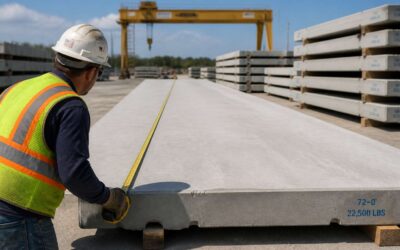
Benefits of precast concrete tanks are not merely about form; they are about reliability, speed, and peace of mind. Factory-controlled production yields uniform quality, while rapid installation minimizes site disruption and weather risk. The result is durable, leak-resistant structures that reduce maintenance and keep projects on track.
- Consistent quality through factory fabrication
- Faster installation with minimal on-site curing
- Superior watertightness and structural integrity
- Long-term durability in challenging South African conditions
Materials and mix design for durable precast tank systems
Here’s a punchy stat for the job site under pressure: factory-made joints in precast concrete tanks can slash on-site curing and weather risk by up to 50%. Not magic—it’s precision at scale, traveling from factory floors to site foundations with timing and fewer headaches.
Materials and mix design for durable precast tank systems lean on a disciplined recipe. A restrained water-to-cement ratio, well-graded aggregates, and tailored admixtures yield a dense microstructure that resists cracking and seepage. In South Africa, supplementary cementitious materials such as fly ash and silica fume boost long-term durability and heat management in precast concrete tanks.
Design and engineering choices matter; here is a compact checklist of focal points:
- Water-to-cement ratio in the 0.40–0.45 range for tight pore structure
- Use SCMs (fly ash, silica fume, slag) to improve durability and reduce heat
- Corrosion-resistant reinforcement and protective coatings
- Careful aggregate grading and compaction to ensure watertight seams
Structural design considerations for precast tank structures
Factory-made joints in precast concrete tanks can slash on-site curing and weather risk by up to 50%. That punchy efficiency starts at design: structural engineers map load paths, buoyancy, and foundation interaction long before the first panel arrives. When you’re balancing hydrostatic pressure, soil constraints, and thermal movement, the system becomes a choreography of form and function—precisely what keeps precast concrete tanks reliable under South African conditions.
- Load paths and foundation integration
- Joint detailing and sealant behavior
- Corrosion-resistant reinforcement and protective coatings
- Crack control and drainage around seams
- Thermal movement and expansion joint considerations
Durability and service life hinge on aligning with local standards and site realities. I’ve seen projects fall flat when backfill conditions and settlement weren’t anticipated. So we design with soil behavior in mind, anchorage to foundations, and easy access to pumps and hatches. The goal: crack control under temperature swings and reliable joint behavior under repeated loading, ensuring watertight seams without sacrificing inspection access.
Done well, these design and engineering choices translate into predictable performance, smoother on-site workflows, and a longer service life for your precast concrete tanks.
Seismic, wind, and load handling in precast tank design
Some storms leave a mark on the land; wiser projects leave a mark on the plan! In precast concrete tanks, seismic, wind, and live loads are not afterthoughts but the spine of design. South Africa’s growing cities demand structures that shrug off tremors and gusts, while soil beneath burrows and shifts. I read load paths like a gothic scripture—panel and joint singing in concert with foundations, buoyancy, and thermal movement.
- Seismic resilience through ductile detailing and balanced mass distribution
- Wind-driven loads captured by panel alignment and robust anchorage
- Buoyancy management via backfill-friendly geometry and drainage strategies
- Foundation integration that anchors structures while preserving pump access and inspection
From this discipline, precast concrete tanks emerge with predictable performance, smoother on-site workflows, and a lifetime that outlives the seasons in South Africa.
Manufacturing and production for precast concrete components
Manufacturing workflows for precast concrete tanks
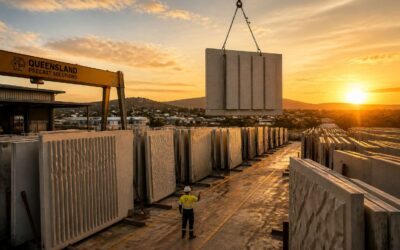
Factories hum, gauges chatter, and the rhythm of production shapes every unit. In South Africa, a well-run precast concrete tanks plant can churn out hundreds of units each week, delivering reliability and shorter lead times when schedules bite hard!
Manufacturing workflows for precast concrete tanks hinge on clean batching, robust formwork, and relentless quality checks that carry from raw materials to finished units with minimal drama.
- Design and formwork setup tailored to each tank size
- Precise batching, mixing, and reinforcement placement
- Pouring, vibration, curing, and final inspection
Automation and seasoned supervision keep tolerances tight, reducing on-site headaches and turning complex sites into straightforward deliveries.
Quality control and curing methods for precast tank production
Across South Africa’s precast halls, hundreds of units roll from the line each week, a quiet thunder of molds and metals. Manufacturing and production flow is a poem of clean batching, robust formwork, and relentless inspection—the rhythm that keeps margins honest and schedules carved in granite. Each batch follows a measured ritual, turning raw materials into reliable components with a patient, almost ritual precision. I have learned to read the floor; it never lies!
Quality control is woven into every seam: verified materials, precise reinforcement, and traceable checks from batch to finished form. For curing, the plant embraces scripted regimes—moist blankets, controlled humidity, and staged heat—coaxing strength from the stone without drama. This discipline yields predictable deliveries of precast concrete tanks.
Formwork, molds, and production efficiency for precast concrete tanks
The factory floor is the drumbeat of a working day. When formwork is designed right, the line sings: corners stay true, surfaces stay smooth, and a batch of precast concrete tanks comes closer to spec with every cycle! A foreman once quips: “Formwork is the quiet engine of certainty.”
Key elements shaping formwork, molds, and production efficiency include:
- Modular formwork and reusable molds shorten changeovers
- Rigid mold accuracy yields consistent cross-sections
- Dedicated cleaning and maintenance reduce leakage and defects
Beyond the molds, production efficiency rests on flow: planned sequences, on-time curing, and real-time data capture. We pursue continuous improvement with standardized procedures that keep precast concrete tanks on schedule and on budget.
Material selection and durability testing in precast tank manufacturing
Across South Africa’s water-infrastructure landscape, precast concrete tanks stand as sentinels. A 2023 industry snapshot notes that prefabrication can trim project timelines by up to 30% without surrendering quality. In this realm, manufacturing and production hinge on disciplined material selection and rigorous durability testing for precast tank components. The aim is a seamless fusion of mix, environment, and endurance, delivering long service life under humidity, chlorides, and shifting temperatures.
Material selection shapes performance: high-strength cement, sulfate-resistant binders, aggregates, and corrosion-resistant reinforcement. The durability testing phase validates these choices before any precast concrete tanks depart the plant, subjecting representative samples to permeability checks, chloride ingress estimates, and accelerated aging. This evidences resilience and guides the production rhythm.
- Permeability and watertightness
- Chloride and sulfate resistance
- Freeze-thaw durability (where relevant)
- Long-term creep and cracking risk
This evidence-based approach anchors quality control across curing, inspection, and the plant floor.
Installation, integration, and site considerations for precast tank installations
Transportation, handling, and on-site setup for precast concrete tanks
In South Africa’s evolving water networks, installation isn’t simply placing a tank—it’s engineering a clean, lasting connection. Industry data shows that 60% of new projects lean on precast concrete tanks for speed and reliability, especially when remote sites demand predictable delivery.
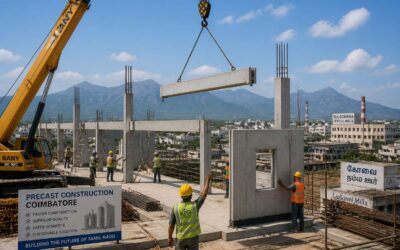
Transportation, handling, and on-site setup demand careful planning: routes must accommodate oversized units, cranes must test lift points, and foundations must tolerate minor inclines to ensure a proper seal and alignment with existing structures.
- Access and turning radius for heavy equipment
- Foundation tolerances and trench alignments
- Sequencing to avoid weather or traffic delays
With thoughtful planning, these installations fit neatly into existing site footprints, delivering quiet reliability for years.
Site preparation, anchoring, and connection details for precast tanks
In South Africa’s evolving water networks, 62% of new projects lean on precast concrete tanks for speed and reliability. Installing them is more than lowering a unit; it’s engineering a seamless integration with terrain, utilities, and existing structures.
Site preparation sets the stage. Anchoring systems must cope with uneven foundations and minor ground movement, while connection details ensure airtight, leak-free interfaces with pipes.
- Site preparation and grading to accommodate the tank footprint
- Anchoring systems and sealant choices for a stable, weather-tight base
- Connection details for pipes and existing networks, plus testing plans
Think of integration as choreography: the tank aligns with trench routes, electrical and control lines are sequenced to minimize disruption, and on-site teams coordinate with weather windows. When done thoughtfully, these tanks integrate quietly and endure for years.
Standards, permits, and regulatory compliance for precast concrete tanks
Installation of precast concrete tanks is choreography, not a single drop-in. In South Africa’s evolving water networks, projects demand speed without sacrificing reliability, so the unit must meld with terrain, utilities, and existing structures. Standards and permits aren’t red tape; they guide anchoring, airtight seals, and safe access for future maintenance, ensuring the installation endures weather, vibration, and ground movement.
- Site preparation, grading, and base drainage to support the tank footprint
- Anchoring and sealant choices that tolerate minor ground shifts and weather cycles
- Connection details to pipes and existing networks, plus integrated testing plans
Integration becomes the quiet win: trench routes align, electrical and control lines are sequenced to minimize disruption, and on-site teams coordinate with weather windows. When done thoughtfully, these tanks integrate with the landscape and endure for years, quietly supporting communities across South Africa.
System integration: piping, instrumentation, and drainage for precast tanks
Speed matters in South Africa’s water networks, but reliability comes first. Precast concrete tanks are installed as a precise fit, not a rushed drop-in, aligning with terrain, utilities, and existing structures. They feature airtight seals and easy access for future maintenance, designed to endure weather, vibration, and ground movement from day one.
- Site preparation, grading, and base drainage to support the tank footprint
- Anchoring and sealant choices that tolerate minor ground shifts and weather cycles
- Connection details to pipes and existing networks, plus integrated testing plans
System integration: piping, instrumentation, and drainage for precast concrete tanks are sequenced to minimize disruption and align with trench routes. On-site teams coordinate with weather windows, ensuring that electrical, control lines, and drainage knit seamlessly into the landscape. When done right, the installation becomes a quiet backbone for communities across the country—long-lasting and low-maintenance.
Performance, lifecycle, and maintenance of precast tank solutions
Durability, leak prevention, and long-term performance of precast concrete tanks
In South Africa, non-revenue water can run as high as 30%, turning every fresh drop into a political debate. In this climate, precast concrete tanks act as quiet guardians, offering dependable performance when the calendar promises decades. The factory-flow process delivers a uniform mass that resists heat stress and aging—enduring where others falter.
- Watertight joints and precision surfaces that repel seepage
- Corrosion-resistant reinforcements and durable concrete for long life
- Factory-curing and consistent quality control that minimize gradient defects
Longevity is a track record, not a rumor, and precast concrete tanks prove it across South Africa’s varied climates. The dense matrix and controlled curing keep leaks at bay, delivering durable performance long after the first installation.
Maintenance best practices and inspection regimes for precast tanks
Across South Africa, non-revenue water can reach 30%, turning every drop into a political debate. In this climate, precast concrete tanks stand as quiet guardians, delivering steady performance year after year. The factory-flow craft yields a uniform mass that resists heat stress and aging, keeping leaks at bay and performance intact through decades.
Maintenance best practices keep that performance predictable. A simple, disciplined regime reduces risk and extends life. The following checks fit a typical operating calendar in SA:
- Weekly visual checks for cracks, joint wear, and lid integrity
- Quarterly inspections of pumps, valves, and float sensors
- Annual coating and reinforcement exposure assessments for corrosion
- Sediment control through routine cleaning to maintain flow and capacity
From a lifecycle perspective, the solution rewards patience with decades of service and minimal surprises. Regular attention to seals, joints, and cleanliness keeps performance stable, ensuring the system remains reliable long after installation.
Lifecycle cost analysis and ROI of precast tank systems
South Africa’s water landscape is punctuated by a sobering fact: up to 30% of supply is lost to leakage before it reaches customers. In this climate, precast concrete tanks emerge as quiet guardians, delivering steady performance year after year. The factory-flow craft yields a uniform mass that resists heat stress and aging, keeping leaks at bay for decades.
Viewed through a lifecycle lens, precast concrete tanks reward patience with decades of service and minimal surprises. Engineered materials and controlled curing keep seals and joints resilient in harsh conditions, preserving steady flow and capacity across seasons.
- Lower total cost of ownership
- Reduced water losses from leakage resistance
- Faster installation and commissioning
- Predictable performance with minimal downtime
Lifecycle cost analysis and ROI for precast concrete tanks show that upfront investment is often surpassed by long-term savings, thanks to predictable maintenance, fewer refurbishments, and longer replacement intervals.
Environmental impact and sustainability of precast concrete tanks
Performance in the field reveals the austere elegance of precast concrete tanks here in South Africa. A uniform mass resists heat stress and aging, keeping seals steadfast and flow steady even when demand spikes.
Viewed through a lifecycle lens, the solution rewards patience with decades of service and minimal surprises. Engineered materials and controlled curing preserve joint integrity across seasons.
Maintenance remains purposeful but infrequent: scheduled visual checks, targeted inspections for joint integrity, and timely resealing keep downtime to a whisper. I’ve seen these routines extend service life.
Environmental impact and sustainability of precast concrete tanks center on longevity and responsible production. Long service life cuts waste and transport emissions; thermal mass moderates interior temperatures, reducing energy use.
- Local manufacturing reduces transport footprint
- Durable design lowers refurbishment and replacement needs
- End-of-life options and material recyclability
Applications and industry-specific use cases for precast tank solutions
Municipal water and wastewater applications using precast tanks
Across South Africa, water utilities juggle aging networks with rising demand, and speed matters. Precast concrete tanks offer plug-and-play efficiency for municipal water and wastewater applications, serving as storage reservoirs, equalization basins, and rapid-deploy treatment nodes. Their monolithic, corrosion-resistant shells keep plants online during upgrades and reduce on-site construction time.
- Storage and equalization for potable-water facilities and wastewater plants
- Stormwater detention, surge control, and process effluent management
These solutions align with South Africa’s water-security priorities, offering durable, factory-made reliability even amid climate variability. They simplify procurement, reduce on-site risk, and keep treatment facilities flexible enough to scale with demand.
Industrial process and chemical compatibility with precast concrete tanks
Across South Africa, water and manufacturing networks wrestle with aging infrastructure and demand that can jump by 20% in dry seasons. Precast concrete tanks offer plug-and-play reliability with strong chemical compatibility and corrosion resistance, making them ideal for industrial process basins, cooling-water storage, and rapid-deploy treatment nodes. They keep operations online during upgrades and provide contained, scalable storage that integrates with existing plant layouts.
Industries leveraging precast tank solutions include:
- Industrial process basins and cooling-water storage designed for corrosive environments with precast concrete tanks
- Chemical storage and containment resistant to acids, caustics, and solvents
- Effluent management, including equalization and surge-control for continuous production
- Stormwater detention and spill containment at heavy-industrial sites
- Mining and mineral-processing effluent containment with robust factory-made shells
In South Africa, precast concrete tanks support safety, compliance, and flexible capacity across diverse industrial applications.
Agriculture, stormwater, and irrigation storage with precast tanks
Across South Africa’s farms and flood-prone industrial zones, water storage is the difference between a season of drought and a season of yield. Dry-season demand can jump by up to 20%, making reliable containment mission-critical. Precast concrete tanks offer plug-and-play storage that’s ready to deploy alongside existing irrigation systems and stormwater plans!
Ground-level siting and factory-made shells keep installation quick and predictable, minimizing site disruption. Applications span agriculture, stormwater detention, and irrigation storage, each benefiting from sealed joints, corrosion resistance, and modular capacity.
Consider these industry-specific use cases:
- Agriculture: irrigation ponds and fertigation reservoirs that steady supply during dry spells
- Stormwater: detention and flood control at farmyards and processing sites
- Irrigation storage: off-season reserves that support livestock and crop cycles
These systems align with South Africa’s diverse climate and regulatory landscape, delivering reliability when it matters most.
Case studies: success stories of precast tank installations
Across South Africa, water storage is the line between drought and yield. Dry-season demand can jump by up to 20%, making reliable containment mission-critical. Precast concrete tanks offer plug-and-play storage that slots neatly alongside existing irrigation and stormwater plans, delivering consistent supply when it matters most and minimizing on-site disruption during installation.
Case studies highlight real-world gains:
- Limpopo dairy farm integrated a fertigation reservoir with drip lines, improving reliability during dry spells.
- KwaZulu-Natal abattoir installed a stormwater detention basin to protect yards and processing areas from flooding.
- Free State orchard deployed irrigation storage to buffer seasonal water shocks, supporting steady fruit development.
These stories illustrate how precast concrete tanks translate planning into predictable performance, backed by sealed joints, corrosion resistance, and modular scalability that reinforces long-term resilience!
0 Comments