
Understanding Precast Concrete in Modern Kitchens
Design freedom and customization options
In modern South African kitchens, a countertop isn’t just a surface—it’s a statement. The appeal of precast concrete countertops lies in durability, heat resistance, and a quiet, industrial elegance that keeps up with daily life. The countertop, after all, is where a kitchen finally speaks!
Design freedom comes from factory casting that yields exact dimensions, seamless edges, and near-endless customization—ideal for spaces that range from compact city flats to open-plan kitchens in coastal towns.
- Color and aggregate choices
- Edge profiles and thickness
- Finish textures from matte to polished
- Integrated sinks and drains
- Custom sizes and shapes for awkward corners
These features translate to practical resilience in South Africa’s homes, where sunlight, heat, and daily use demand surfaces that endure without sacrificing design. With the right finish and maintenance, precast concrete countertops offer a lasting, tailored kitchen canvas.
Durability and performance under daily use
In the kitchen, where daily life presses on every edge, durability isn’t a feature—it’s a belief. “Durability is the new luxury,” a Cape Town designer notes, and precast concrete countertops embody that creed: calm, uncompromising, and ready for the next spill.
In South Africa’s sunlit homes, these surfaces shrug off heat and busy hands. Factory casting locks in exact dimensions and consistent density, delivering a surface that resists staining and warping while aging with a confident patina.
- Seamless edges and easy cleaning for daily use
- Heat resistance and durability that keeps pace with family life
- Long lifespan for precast concrete countertops in SA homes
From matte to polished finishes, and a spectrum of aggregates, these surfaces adapt to South African light without shouting.
Thermal resistance and safety considerations
Concrete countertops in modern kitchens shrug off the heat and hustle. A Cape Town designer calls thermal safety the quiet backbone of daily life: ‘hot pots meet a surface that won’t buckle.’ Precast concrete countertops are cast in factory molds, giving you consistent density and controlled heat response—ideal for SA kitchens!
Thermal resistance isn’t boundless, but it’s practical. These surfaces tolerate simmering pots, but we still respect gradual heat exposure and avoid thermal shock from sudden temperature changes. Safety-wise, the non-porous, sealed finish resists bacteria, making daily cleaning easier and food-safe.
- Thermal inertia helps prevent rapid temperature shifts
- Non-porous surface inhibits microbial growth
- Proper sealing limits heat transfer to underlying cabinetry
Environmental impact and sustainability
In South Africa, kitchens aren’t just spaces; they’re living stories that endure. A Cape Town designer once quipped, “hot pots meet a surface that won’t buckle”—and the line sticks as a vow for today’s homes.
Environmental impact and sustainability sculpt the heart of precast concrete countertops. Factory casting minimizes on-site waste and yields consistent density, reducing the need for re-dos. Local production in SA cuts transport emissions and supports local suppliers, a small but meaningful footprint.
- Controlled curing and fewer offcuts minimize waste
- Longer lifespan lowers replacement frequency and landfill pressure
- Opportunity to incorporate recycled aggregates and end-of-life recycling programs
When you weigh the full lifecycle, precast concrete countertops offer a narrative of resilience and responsibility—an intersection of craft, science, and stewardship that suits South African kitchens.
Materials and Mix Designs for Precast Kitchen Surfaces
Aggregate options and surface textures
Texture is memory, notes a veteran designer, and kitchen counters are the stage where that memory wears well. In South Africa, materials and mix designs set the tone for color, density, and how a surface handles heat and daily wear. The choice guides every detail of precast concrete countertops.
Aggregate options shape color, texture, and perceived heft.
Aggregate options include natural stone fragments, crushed glass, or recycled aggregates, each bringing a distinct story to the bench. The following common choices offer reliable guidance:
- Quartz chips for brightness and consistency
- Crushed granite for warmth and subtle speckle
- Recycled glass for sparkle and sustainability
- Silica sand for a refined, quiet base
Finish options let character shine: smooth for a modern glaze, honed for a soft touch, brushed for tactile depth, or exposed aggregate for personality. Each choice nudges maintenance needs, sealants, and how the surface ages in a bustling SA kitchen. Subtle texture, steadfast performance—without sermonizing about durability.
Color, finishes, and sealant compatibility
Color is the quiet amplifier for precast concrete countertops—it’s not just dye, it’s the mood of the room. In SA, pigment systems and mix designs govern how color reads, how dense the surface feels, and how it handles heat and daily use.
Finish choices—smooth, honed, brushed, or satin textures—work in tandem with sealant compatibility. The right pairing of surface treatment and sealer determines stain resistance, luster, and how the surface ages under kitchen traffic in South Africa’s sun-drenched kitchens.
Materials and mix design decisions influence color depth and texture without sacrificing practicality. By balancing aggregates, pigments, and compatible sealants, the result becomes a design feature that can endure the SA kitchen pace with style and ease.
Curing methods, strength development, and quality testing
Every batch of precast concrete countertops begins with a quiet arithmetic: mix, cure, test. Proper curing can unlock up to 25% more early strength, turning schedules into commitments and projects into durable statements of craftsmanship.
Materials and mix designs determine how that strength reads in real life. For these countertops, the balance of water, cement, aggregates, and pigments shapes color depth, density, and heat resilience—crucial in SA kitchens that never stop. The goal is a blend that stays true through years of use while remaining workable in factory settings.
- Controlled water-to-cement ratios promote workability and strength
- Careful aggregate selection for density and even surface texture
- Compatibility between pigments and sealants to prevent staining or leaching
Curing methods like moist curing, sealed forms, and ambient humidity control manage hydration and final strength. Quality testing—cylinder tests, maturity methods, and surface hardness checks—ensures the finish meets performance targets without compromising aesthetics.
Water resistance and hygienic performance
“Non-porous surfaces win in the long run,” a Johannesburg fabricator reminds clients. When choosing precast concrete countertops, water resistance is built into the mix design from day one. The balance of water, cement, and aggregates defines porosity and, by extension, hygiene and maintenance—crucial for SA kitchens that endure heat, spills, and busy service. A well-tuned mix reduces staining risk and makes cleaning straightforward, even with hard water charges common in parts of the country.
Material choices matter: controlled water-to-cement ratios promote density; dense aggregates help even surface texture; and pigment compatibility with sealants reduces staining. The following factors fit naturally into factory workflows:
- Low porosity through optimized water-to-cement ratio
- Dense, rounded aggregates for smooth surfaces
- Sealant-compatible pigments to prevent staining and leaching
Together, these elements deliver water resistance and hygienic performance that keeps precast concrete countertops looking clean in busy SA kitchens.
Comparing Off-Site Casting vs In-Place Installation
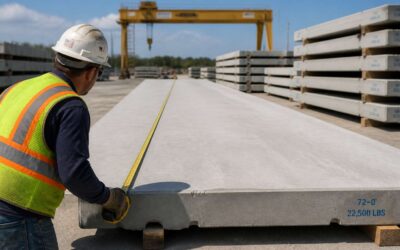
Factory production benefits and quality control
The factory floor hums with precision, turning raw cement into near-perfect slabs. In a recent industry snapshot, projects that use off-site casting report up to 40% faster lead times and tighter tolerances than traditional installs. For precast concrete countertops, the advantage is a controlled environment that eliminates weather-related surprises and reduces on-site disruptions. On-site installation, by contrast, depends on crane slots, site cleanliness, and progress weather—variables that can nudge schedules off course.
- Consistent quality through factory QA
- Less on-site waste and cleaner work zones
- Faster installation with ready-to-place components
- Traceable materials and finishes
In South Africa, local fabricators bring the same meticulous care to every slab, aligning scheduling with climate realities while preserving artistry in edge details and color. The result is a seamless blend of reliability and beauty for your spaces.
Transportation, handling, and installation logistics
Across the precast concrete countertops sector, off-site casting can slash lead times by up to 40% when production runs in a controlled factory. That advantage shows in edge detail and uniform thickness, with far fewer weather-induced delays that can trip a project in South Africa’s variable climate.
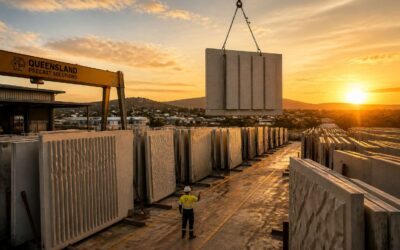
Transportation, handling, and installation logistics shape the real-world difference between off-site and in-place work. Moving slabs from the factory to a site requires careful choreography: protective transit, secure crating, and precise hoisting to avoid nicks or misalignment.
- Coordinated crane access and lift plans
- Secure, weatherproof packaging for transit
- Clear unloading windows and site access
On-site installation with ready-to-place components tends to be faster and cleaner, reducing disruptions common with traditional pours. In South Africa, this blend of controlled factory production and site-ready pieces helps projects stay within tolerance and maintain finish quality amid local climate realities.
On-site finishing details, edges, and mockups
On South Africa’s bustling building sites, off-site casting can slash lead times by up to 40%, turning schedules from stress to sequence. For precast concrete countertops, factory precision yields predictable finishes and fewer weather-driven delays across kitchens, bathrooms, and outdoor entertaining spaces.
Edge detail and thickness are baked into the process in the factory, delivering crisp profiles and uniform depths. In-place installation depends on on-site finishing, where joints are tuned and mockups are checked to harmonize with cabinets and sinks amid real-world conditions.
That on-site realism matters, especially when room shapes and doorways push tolerance limits.
- Edge profiles: square, eased, or bevelled
- Mockups for seams and sink cuts
- On-site polishing to refine texture and sheen
Project timeline, coordination, and downtime
In South Africa’s fast-paced building sites, off-site casting can slash lead times by up to 40%, turning chaos into a measured rhythm. For precast concrete countertops, factory precision makes finishes predictable and weather delays rarer. The factory floor hums like a timepiece, delivering consistency that translates into smoother approvals and calmer project corridors.
On-site installation becomes a choreography rather than improvisation. With off-site casting, coordination happens between factory teams and site crews: measurements are locked, deliveries scheduled, and access kept clear. Downtime is minimized because work runs in parallel—cabinets, plumbing, and fixtures can progress while precast concrete countertops are cured, then slip into place with quiet, flawless joins.
- Parallel workflows reduce overall downtime
- Delivery windows align with cabinet installs
- Weather and site delays stay in check
Cost, Budgeting, and Value Proposition
Upfront costs and comparisons with alternatives
A cross-South Africa observation: the countertop is the kitchen’s quiet anchor—bold, practical, and surprisingly poetic. These precast concrete countertops offer drama without compromise, and though the upfront cost sits higher than laminate, many designers insist the long view pays for itself.
Budgeting begins with the macro view: upfront costs versus future maintenance. When held beside alternatives, precast can narrow the lifetime gap thanks to durability and easier care. The value proposition blends customization, longevity, and a hygienic surface that stays attractive with minimal sealing.
Bottom line: precast concrete countertops offer a compelling balance between character and practical cost, especially in South Africa where longevity matters.
Labor, scheduling, and contractor considerations
Costs are the lullaby of a kitchen renovation—softly persuasive and rarely the loudest voice in the room. Across South Africa, a well-chosen countertop can anchor a home for decades; precast concrete countertops offer that quiet drama. ‘Durability speaks louder than numbers,’ a Cape Town designer likes to remind clients. The upfront price sits higher, but the long view rewards craftsmanship and resilience.
Budgeting for labor means looking beyond the price tag to timing and team. Plan fabrication lead times, installation windows, and curing—tightly coordinated with plumbing and cabinetry.
- Fabrication lead times and delivery coordination
- On-site installation logistics with sinks and cabinetry
- Sealant scheduling and maintenance plan
Choosing the right partner matters. Seek a fabricator with transparent QA and a track record in South African homes. A coordinated team minimizes downtime and keeps precast concrete countertops beautiful and hygienic in busy kitchens.
Warranty terms, maintenance costs, and lifecycle value
South Africa’s kitchens wear the most stories—the average kitchen undergoes a remodel every 12 to 15 years, and a countertop with staying power can outlive two of those cycles. A calm, durable surface adds quiet drama without shouting for attention.
For precast concrete countertops, the upfront price sits higher, but the long view rewards craftsmanship and resilience. Think fewer replacements, fewer headaches, and a surface that ages gracefully, resisting daily scrapes while staying hygienic in a busy home.
- Warranty terms: long-term coverage conditioned on professional installation and regular maintenance
- Maintenance costs: resealing every 1–3 years and using appropriate cleaners
- Lifecycle value: lower replacement frequency and enduring aesthetics for modern South African kitchens
Partner with a fabricator who offers transparent QA and a solid SA track record, and your investment becomes a quiet workhorse that keeps pace with family life—and the next wave of remodeling, without drama.
Return on investment and property appeal
Kitchens clinch the deal in SA housing markets, consistently rated the top feature by buyers!
Upfront, precast concrete countertops sit at a premium, but the long game rewards craftsmanship, resilience, and a surface that ages gracefully.
Budgeting for these surfaces means more than the sticker price: consider fabrication lead times, delivery, professional installation, and periodic resealing. With precast concrete countertops, you invest once for a durable work surface that resists daily scrapes, stays hygienic, and reduces the need for frequent replacements.
- Resale appeal and stronger market positioning
- Lower long-term maintenance vs cheaper alternatives
- Design flexibility and integration with SA trends
Value proposition and ROI hinge on property appeal. The right finish and texture anchor kitchen design and influence buyer impressions at a glance, elevating potential resale value and everyday satisfaction.
Maintenance, Care, and Longevity
Cleaning routines and stain management
Across South Africa’s sunlit kitchens, a well-kept surface quietly supports every morning; studies show a third of homeowners say longevity hinges on maintenance as much as on design.
For precast concrete countertops, cleaning routines revolve around gentle care and stain management. Wipe with a soft cloth and a mild, pH-neutral cleaner; blot spills promptly; avoid harsh abrasives or acidic lemon cleaners that can dull the finish. Sealing regimes matter for long-term resilience.
- Wipe spills with a soft microfiber cloth
- Choose a pH-neutral cleaner and avoid citrus or vinegar
- Respect manufacturer resealing guidelines to preserve stain resistance
Indoor heat, sun, and daily use demand respect for the material’s character; with proper upkeep, these countertops age gracefully, bearing the marks of life like a well-tended harvest table.
Sealing schedules, reapplication frequency, and compatibility
Maintenance and longevity hinge on the sealing schedule. For precast concrete countertops, sealing regimes control stains and wear in South Africa’s sunlit kitchens. A quality sealer forms a protective barrier while the surface breathes, keeping that concrete look from dulling. Reapply every 1 to 3 years, guided by usage, heat exposure, and the manufacturer’s instructions.
- Seal type: choose penetrating or film-forming sealers as recommended for the surface finish
- Reapplication cadence: typically annually for light use; 1–3 years for busy kitchens; more frequent if outdoor or high heat is common
- Compatibility: verify the sealer works with any colorants, curing method, and finish applied to precast concrete countertops
In the South African climate, regular checks prevent dulling and staining, preserving character and durability. With proper sealing, precast concrete countertops age gracefully, bearing the marks of everyday life with quiet confidence.
Repair options for chips, cracks, and gouges
Every mark on a kitchen surface tells a life story, and a scratch on precast concrete countertops can feel like a breach of its honesty. I’ve learned that maintenance and mindful care keep the surface resilient, preserving its depth and the time-worn charm you paid for after installation.
Chips, cracks, and gouges aren’t the end of the narrative. For minor blemishes, cosmetic patching or epoxy fills can restore levelness; for deeper cracks, professional assessment ensures structural integrity; for gouges, color-matched fillers and gentle blending preserve uniform sheen.
- Cosmetic patches for chips and shallow defects
- Epoxy or cement-based fills for cracks
- Color-matched fillers and subtle polishing to conceal gouges
Ultimately, longevity rests on recognizing when a flaw deserves a dedicated refinishing appointment rather than a quick fix; the right care sustains the honest, enduring look of your space.
Environmental impact and sustainability considerations
“Durability is sustainability in practice,” a South African designer often notes. When it comes to precast concrete countertops, longevity isn’t fantasy—it’s a philosophy that forgives fingerprints and spills while refusing to waste resources. The surface carries a patient, craftful story of care.
Maintenance and care hinge on mindful use and gentle cleaning that respects the material’s integrity. With proper sealing and low-emission finishes, longevity grows and environmental impact stays modest. Local sourcing and factory precision reduce transport emissions and waste in South African homes.
Environmental considerations at a glance:
- Local materials and energy-efficient curing
- Low-VOC sealants and coatings
- Recycled content aggregates where feasible
In this balance of beauty, function, and stewardship, precast concrete countertops offer enduring value in the modern kitchen.

0 Comments