
Understanding Precast Concrete Louvers
Definition and Overview
Precast concrete louvers represent a fascinating intersection of durability and design, transforming ordinary facades into architectural statements. These structural elements are more than just functional; they are crafted with precision, offering a seamless blend of form and function. In South Africa’s dynamic construction landscape, precast concrete louvers have gained recognition for their ability to withstand harsh weather conditions while adding a touch of sophistication.
Understanding precast concrete louvers begins with their definition: they are prefabricated, engineered panels designed to control airflow, provide shading, and enhance privacy. Their versatility is unmatched, allowing architects and builders to customize patterns, angles, and finishes to suit specific project needs. This adaptability makes them a popular choice across various sectors — from commercial complexes to industrial facilities. The manufacturing process ensures consistency and quality, making precast concrete louvers a reliable choice for long-term performance.
For those seeking an efficient way to improve building aesthetics without compromising structural integrity, precast concrete louvers are the secret weapon. Their ability to serve multiple functions—ventilation, sun shading, and aesthetic appeal—makes them indispensable in contemporary construction projects. As the demand for sustainable and resilient building materials rises, precast concrete louvers stand out as a resilient solution built to last in South Africa’s diverse climate.
Types of Precast Concrete Louvers
Understanding the different types of precast concrete louvers is essential for selecting the right solution for your building project. These structural elements come in various forms, each designed to meet specific aesthetic and functional needs. Among the most common are horizontal louvers, which provide effective sun shading while maintaining airflow. Vertical precast concrete louvers, on the other hand, excel in privacy screens and wind protection, making them ideal for densely populated urban areas in South Africa.
Another popular category includes custom-designed precast concrete louvers, tailored to match the architectural vision of a building. These can be crafted with unique patterns, finishes, or angles that enhance visual appeal and align with sustainability goals. The versatility of precast concrete louvers allows for their integration into diverse construction sectors, from commercial to industrial facilities. Their durability and ease of installation make them a preferred choice in South Africa’s climate, where resilience is paramount.
In some cases, manufacturers offer modular precast concrete louvers, designed for quick assembly and adaptability across different building sizes. This variety of options underscores the importance of understanding the specific types available, ensuring that each project benefits from the optimal combination of form, function, and longevity. With a keen eye on both performance and aesthetics, precast concrete louvers continue to elevate contemporary architecture across South Africa.
Common Materials Used
Precast concrete louvers are renowned for their durability and versatility, but understanding the common materials used is key to selecting the right design for your project. The most prevalent material is high-quality concrete, which offers excellent weather resistance and structural integrity—crucial qualities in South Africa’s diverse climate.
Manufacturers often incorporate reinforcement materials like steel or polypropylene fibres to enhance strength and longevity. These additions improve the louvers’ ability to withstand harsh environmental conditions, such as wind, rain, and extreme temperatures. For aesthetic purposes, precast concrete louvers can also be finished with various surface treatments, including textured or smooth finishes, to match architectural visions.
Some of the most popular materials and finishes include:
- Standard cast-in-place concrete with a durable surface finish
- Precast concrete with integrated pigmentation for colour consistency
- Textured surfaces for aesthetic appeal and reduced glare
Choosing the right material for precast concrete louvers ensures they serve their purpose efficiently while maintaining visual appeal over decades. The combination of quality materials and innovative manufacturing techniques makes precast concrete louvers a resilient choice for modern South African architecture.
Benefits of Using Precast Concrete Louvers
Durability and Longevity
In the shadowed corridors of architecture, where time itself seems to whisper secrets of resilience, precast concrete louvers stand as silent sentinels. Their formidable durability and longevity are not mere promises but proven virtues etched into their very essence. Crafted with precision and fortified against the relentless assault of South Africa’s harsh climate, these louvers resist corrosion, cracking, and weathering with an unwavering strength that defies the passage of years.
Unlike fleeting materials that fade with the seasons, precast concrete louvers offer enduring protection and aesthetic appeal. Their robust nature ensures they withstand the fierce sun, heavy rains, and biting winds—elements that would crumble lesser constructions. For those seeking a solution that combines strength with longevity, precast concrete louvers are an indomitable choice. They serve as guardians of ventilation and shade, standing tall through the decay of time, whispering tales of resilience in every shadow cast.
Aesthetic Appeal
When it comes to architectural elements that combine form and function seamlessly, precast concrete louvers stand out as a premier choice. Their aesthetic appeal is undeniable, adding a touch of modern sophistication to any building façade. Unlike many materials that fade or warp over time, precast concrete louvers maintain their visual integrity, offering a timeless look that enhances curb appeal.
Their versatility allows for a wide array of design options, from sleek modern lines to more intricate patterns. This flexibility means architects and builders can tailor each installation to suit the specific aesthetic goals of a project. Plus, the natural textures of precast concrete add depth and character, making structures more visually engaging.
In addition to their aesthetic advantages, precast concrete louvers contribute to the overall harmony of a building’s design. They serve as both functional and decorative elements—providing shade and ventilation while elevating the architectural style. For anyone prioritizing visual impact combined with durability, precast concrete louvers deliver a compelling blend of beauty and resilience.
- Enhanced curb appeal with a sleek, modern look
- Long-lasting visual integrity that withstands South Africa’s harsh climate
- Design flexibility to match diverse architectural styles
Ultimately, the aesthetic appeal of precast concrete louvers isn’t just skin deep—they are integral to creating buildings that are both striking and built to last. Their timeless elegance and adaptability make them a smart investment in any construction or renovation project.
Energy Efficiency and Ventilation
In the quest for sustainable building design, precast concrete louvers emerge as an unsung hero—delivering more than just visual appeal. Their unique structure offers exceptional energy efficiency by reducing the reliance on artificial cooling and heating systems. When strategically placed, these louvers act as natural insulators, blocking out harsh sunlight while allowing for optimal airflow. This clever balance helps maintain a comfortable indoor environment, even amidst South Africa’s extreme climate fluctuations.
Ventilation is another key benefit of precast concrete louvers. By facilitating passive airflow, they diminish the need for mechanical ventilation, cutting operational costs and lowering energy consumption. For architects seeking innovative ways to enhance building performance, these louvers provide a natural, low-maintenance solution.
- Enhanced shading capabilities to reduce solar heat gain
- Improved air movement for better indoor air quality
- Durability to withstand South Africa’s diverse weather conditions
In essence, precast concrete louvers do more than elevate a building’s aesthetic—they are integral to achieving energy-efficient and well-ventilated structures. Their ability to seamlessly blend form and function makes them indispensable in modern architectural projects that demand sustainability and style.
Cost-Effectiveness and Low Maintenance
In the world of modern architecture, cost-effective solutions that don’t compromise on quality are gold. Precast concrete louvers stand out as a shining example of this principle, offering remarkable savings without sacrificing durability or style. Their manufacturing process allows for precision and efficiency, reducing construction time and labor costs—a crucial advantage in South Africa’s bustling construction scene.
Low maintenance is another compelling benefit. Unlike traditional louver materials that require frequent repainting or sealing, precast concrete louvers are built to last. They withstand South Africa’s weather extremes, from scorching heat to heavy rains, with minimal upkeep. This resilience translates into long-term savings and peace of mind for property owners and developers.
Furthermore, their inherent strength means fewer replacements or repairs over the years, making them an investment that pays for itself. In essence, choosing precast concrete louvers isn’t just about aesthetics; it’s a strategic decision to maximize value, durability, and sustainability in every project.
Customization Options
One of the most compelling advantages of precast concrete louvers is their remarkable customization options. Every building has a unique story, and these louvers can be tailored to reflect that individuality. From various textures and finishes to diverse shapes and sizes, precast concrete louvers can be designed to fit any architectural vision. This flexibility allows architects and developers in South Africa to create striking facades that stand out while maintaining functional integrity.
In addition, precast concrete louvers can be engineered with specific features to meet environmental needs. For example, they can be customized for optimal airflow, shading, or even acoustic performance. This level of adaptability ensures that each installation aligns perfectly with the building’s purpose and aesthetic goals. The process of customization is streamlined through precision manufacturing, reducing delays and ensuring a seamless integration into any project.
For those seeking a truly bespoke touch, options such as color pigmentation, surface treatments, and intricate patterns are readily available. This extensive range of customization makes precast concrete louvers not just an architectural element but a strategic tool—enhancing curb appeal, improving environmental performance, and elevating overall design excellence. It’s this blend of form and function that truly sets precast concrete louvers apart in the competitive South African construction landscape.
Design Considerations for Precast Concrete Louvers
Architectural Style and Building Compatibility
Design considerations for precast concrete louvers are often overlooked, yet they play a pivotal role in harmonizing form and function within a building’s architectural narrative. When selecting precast concrete louvers, it’s essential to ensure they complement the overall aesthetic, whether that’s sleek modern minimalism or intricate classical detailing. The visual coherence between the louvers and the existing architectural style can elevate the entire façade, making it more than just an afterthought.
Compatibility with the building’s structural elements is equally critical. Precast concrete louvers must integrate seamlessly, supporting both the visual and functional aspects of the design. Factors such as size, orientation, and spacing influence not only the visual impact but also how effectively they facilitate ventilation and shading. For projects in South Africa, where climate variability demands adaptable solutions, selecting precast concrete louvers that blend durability with aesthetic versatility becomes a strategic advantage.
- Architectural Style Alignment
- Building Material Compatibility
- Climate-Responsive Design
- Structural Integration
Ultimately, thoughtful design considerations ensure that precast concrete louvers do more than just serve their purpose—they become an integral part of a building’s identity, standing the test of time with both style and resilience. When carefully chosen, they transform a simple façade into a statement of craftsmanship and innovation, capturing the essence of modern South African architecture.
Performance Requirements
When considering the performance requirements for precast concrete louvers, it is vital to recognize that their durability hinges on more than just aesthetic appeal. These architectural elements must withstand the unpredictable South African climate—hot summers, sudden storms, and high humidity. Their ability to resist weathering and preserve structural integrity over time is paramount.
To achieve this, a meticulous approach to design is essential. The louvers should facilitate optimal airflow while providing effective shading, ensuring energy efficiency without compromising visual harmony. Incorporating features like adequate drainage channels and corrosion-resistant finishes guarantees longevity, even in coastal environments.
Moreover, the precise proportioning of size, orientation, and spacing influences not only their visual impact but also their functional performance. For instance, a well-designed louver system can significantly reduce cooling loads, making them a strategic choice for environmentally conscious South African buildings. Ultimately, the performance of precast concrete louvers is a delicate balance—melding resilience with refined craftsmanship—a testament to thoughtful architectural engineering.
Ventilation and Sun Shading
Design considerations for precast concrete louvers extend far beyond their visual appeal. In the unpredictable South African climate, these architectural elements must be meticulously engineered to optimize ventilation and sun shading. Achieving the perfect balance requires an understanding of how airflow interacts with the louver system, ensuring fresh air enters while excessive heat is kept at bay.
Effective sun shading is not merely about blocking sunlight—it’s about strategic orientation and spacing. For instance, louvers positioned at precise angles can significantly reduce cooling loads, transforming a building’s energy efficiency. Incorporating features such as drainage channels and corrosion-resistant finishes ensures longevity, especially in coastal environments where salt exposure is a concern.
- Size and proportioning: Tailoring the dimensions of precast concrete louvers to fit specific architectural needs enhances both performance and aesthetic harmony.
- Orientation: Thoughtful placement influences how well the louvers facilitate airflow and shading, contributing to a building’s overall environmental strategy.
- Spacing: Proper spacing prevents moisture buildup and maintains structural integrity, while also controlling light penetration for optimal interior comfort.
By paying close attention to these design elements, architects and engineers can craft precast concrete louvers that serve as silent guardians—protecting buildings from the elements while seamlessly blending into their surroundings. The result is a resilient, visually compelling façade that speaks to thoughtful architectural engineering and sustainable innovation.
Environmental Factors
In South Africa’s capricious climate, selecting the right precast concrete louvers isn’t merely a matter of aesthetics; it’s a strategic move to enhance building resilience. Environmental factors such as prevailing winds, intense sunlight, and coastal salt spray demand meticulous attention during the design process. For instance, the orientation of precast concrete louvers can dramatically influence airflow and shading efficiency, allowing fresh air to circulate freely while minimizing heat ingress.
Particularly in coastal regions, incorporating corrosion-resistant finishes in the precast concrete louvers ensures prolonged performance against salt-laden air. Proper sizing and spacing not only optimize environmental control but also prevent moisture buildup, a critical consideration in humid conditions. A thoughtfully engineered louver system acts as a silent sentinel—shielding interiors from the elements while seamlessly integrating with the building’s aesthetic narrative.
- Assess local climate conditions
- Design for optimal orientation and spacing
- Incorporate durable, corrosion-resistant finishes
Ultimately, these environmental considerations elevate precast concrete louvers from mere architectural features to vital components of sustainable, resilient design—worthy of the bold South African landscape they adorn.
Manufacturing and Installation Process
Design and Engineering
The journey from concept to installation of precast concrete louvers is a symphony of meticulous design and engineering precision. In South Africa’s diverse climate, these structural elements must be crafted with both resilience and aesthetic finesse. The manufacturing process begins with detailed planning, where engineers tailor each louver to meet specific performance and architectural criteria. This phase involves selecting high-quality materials that balance durability with visual appeal, ensuring the final product withstands the test of time and weather.
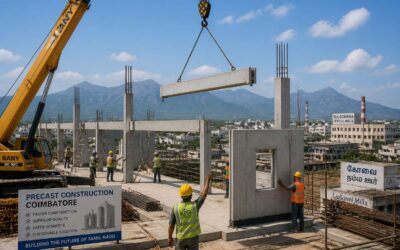
Once the design is finalized, the manufacturing stage employs advanced precast concrete techniques, allowing for consistent quality and rapid production. To streamline installation, the process integrates modular systems and pre-engineered connection points—minimizing on-site labor and reducing construction timelines. The installation process itself requires precision, often utilizing cranes and specialized equipment to position the precast concrete louvers seamlessly into their designated spaces. This synergy of design, engineering, and craftsmanship results in louvers that are not only functional but also elevate the building’s architectural integrity.
Casting and Fabrication
The journey from raw materials to the finished spectacle of precast concrete louvers is a testament to craftsmanship and innovation. Casting these architectural elements involves a meticulous process that transforms durable concrete into precise, functional art. Every louver is cast in carefully controlled molds, ensuring consistency and high quality, while the fabrication phase allows for detailed customization—an essential feature in South Africa’s diverse architectural landscape.
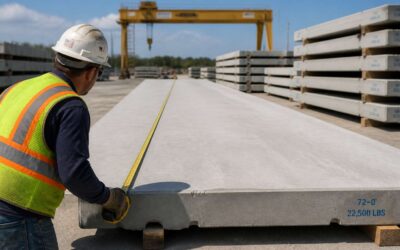
During manufacturing, high-strength concrete mixes are molded using advanced techniques to achieve uniformity. The process often incorporates reinforced steel for added resilience, especially vital given South Africa’s varying climatic conditions. Precision in casting guarantees that each precast concrete louver adheres to strict tolerances, facilitating seamless installation and long-lasting performance. To optimize efficiency, manufacturers often utilize modular forms and pre-engineered connection systems, significantly reducing on-site assembly time.
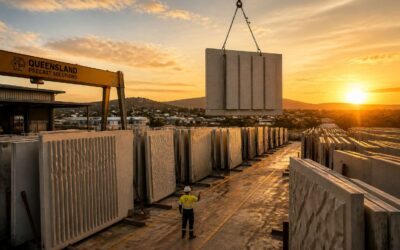
Once the precast concrete louvers are cured and quality-checked, they are prepared for installation. This phase demands expert handling—cranes and specialized lifting equipment position these heavy elements flawlessly into their designated spaces. The installation process is streamlined through a detailed understanding of the structural and aesthetic nuances, ensuring that each louver not only functions as a ventilation or sun-shading device but also elevates the building’s visual appeal. The precision and craftsmanship embedded in the manufacturing and installation processes underscore the enduring beauty and resilience of precast concrete louvers, making them a cornerstone of modern South African architecture.
Transportation and Handling
Manufacturing precast concrete louvers is a marvel of modern engineering—think of it as turning raw materials into architectural poetry. Using high-strength concrete mixes, manufacturers carefully craft these elements in controlled environments, ensuring each piece meets exacting standards. Reinforced steel is often integrated to bolster resilience, especially critical given South Africa’s unpredictable climate swings. The process involves precision molds that shape the louvers with impeccable accuracy, guaranteeing seamless installation and long-term durability.
Transporting and handling precast concrete louvers requires a blend of finesse and brute strength. Once cured and inspected, the heavy elements are loaded onto specialized trucks designed for maximum safety and efficiency. During transit, careful cushioning and secure lashing prevent any cracking or chipping—after all, a louver with a scratch isn’t what we’re aiming for! When they arrive on site, a skilled team employs cranes and pre-engineered connection systems to position each piece flawlessly. This methodical process minimizes installation time and ensures the architectural vision is realized without a hitch.
Installation Procedures
When it comes to manufacturing precast concrete louvers, precision is king, and innovation is the court jester. These architectural marvels are crafted in highly controlled environments where high-strength concrete mixes are carefully poured into meticulously designed molds. The process isn’t just about pouring concrete; it’s about sculpting functional works of art that stand the test of time, even amidst South Africa’s unpredictable climate swings.
Once the casting is complete and the louvers have cured to perfection, the next chapter begins—installation. This phase demands a blend of finesse and brute strength. Heavy precast concrete louvers are loaded onto specialized trucks, where secure lashing and cushioning keep them pristine during transit. Arriving on-site, a team of skilled professionals employs cranes and pre-engineered connection systems to position each piece with surgical precision. The entire procedure minimizes installation time and guarantees that the architectural vision is realized without a hitch.
- The first step involves careful site preparation, ensuring the foundation can support the weight of these substantial elements.
- Next, the precast concrete louvers are maneuvered into position using cranes equipped with adjustable lifting points tailored for the intricacies of each design.
- Finally, connection systems—designed for durability and ease—are employed to secure the louvers firmly, ensuring they withstand environmental stressors for decades to come.
This seamless integration of manufacturing excellence and installation prowess ensures that precast concrete louvers aren’t just functional but also a striking component of modern architectural design, ready to face South Africa’s ever-changing weather with confidence and style.
Applications and Use Cases
Commercial Buildings
In the shadowed corridors of modern architecture, precast concrete louvers emerge as silent guardians of form and function. Their application in commercial buildings is nothing short of transformative, shaping the very visage of urban landscapes. These architectural sentinels serve dual purposes—enhancing ventilation while cloaking the building in an aura of mystique and elegance.
In South Africa’s bustling commercial districts, precast concrete louvers are increasingly favored for their ability to blend aesthetic allure with practical performance. They are often employed to shield rooftop equipment, providing a barrier against the relentless sun while allowing air to flow freely.
The versatility of precast concrete louvers lends itself to a myriad of use cases, from corporate office towers to shopping centers. Their robust construction withstands the harsh environmental factors endemic to the region, ensuring longevity. It’s no wonder that architects and developers are turning to precast concrete louvers to craft façades that are as functional as they are hauntingly beautiful.
Industrial Facilities
Industrial facilities in South Africa are often the unsung heroes of the economy—think mining operations, manufacturing plants, and warehouses. These colossal structures demand solutions that are as tough as they are efficient, and precast concrete louvers fit the bill perfectly. Their primary application in industrial settings is to facilitate effective ventilation and heat dissipation, ensuring that equipment stays cool and operational even under the blazing African sun.
Beyond temperature control, precast concrete louvers serve as a protective shield against dust, debris, and harsh environmental elements—think of them as the industrial equivalent of a knight’s armor. They can be strategically positioned to shield sensitive machinery and storage areas from the relentless South African sun while still allowing fresh air to circulate freely.
For large-scale industrial facilities, the versatility of precast concrete louvers means they can be customized to suit specific performance requirements. Whether it’s shielding rooftop HVAC units or creating a barrier around production zones, these louvers are a reliable choice. Their design can incorporate features like:
- Corrosion-resistant finishes for coastal facilities
- Integrated sun shading to reduce glare and heat gain
- High airflow capacity for optimal ventilation
In the relentless climate of South Africa, precast concrete louvers offer durability and longevity that industrial operators depend on, making them an indispensable component of modern industrial architecture. Their robust construction withstands the region’s environmental challenges, ensuring a long service life with minimal maintenance. Truly, when it comes to safeguarding industrial assets and optimizing performance, precast concrete louvers are second to none.
Parking Structures
Parking structures are often the unsung heroes of urban landscapes, quietly accommodating the daily influx of vehicles while keeping the city moving. But behind the scenes, precast concrete louvers play a crucial role in ensuring these spaces are both functional and durable. Their primary application in parking garages? Ventilation and sun shading, of course! With South Africa’s intense sun and fluctuating temperatures, proper airflow isn’t just a luxury—it’s a necessity.
Precast concrete louvers are strategically installed to promote optimal airflow, preventing heat buildup and reducing the need for energy-hungry cooling systems. Additionally, they serve as a shield against the relentless African sun, protecting vehicles and structural elements from heat damage. Their robustness against environmental factors means they stand strong against South Africa’s sometimes unpredictable weather, ensuring longevity and minimal maintenance.
For parking structures, the versatility of precast concrete louvers shines. They can be designed with features like:
- Enhanced sun shading to keep the interior cooler
- High airflow capacity for effective ventilation
- Corrosion-resistant finishes suitable for coastal locations
Whether enclosing parking decks or creating barrier walls, precast concrete louvers are the go-to solution. Their adaptability guarantees they can be tailored to meet specific performance demands, making them an indispensable element in modern parking infrastructure across South Africa. After all, a well-ventilated parking lot isn’t just about comfort—it’s about safeguarding vehicles, reducing energy costs, and maintaining structural integrity in the face of South Africa’s challenging environmental conditions.
Renovation Projects
Renovation projects often present a unique opportunity to blend ingenuity with practicality, and precast concrete louvers are no exception. Their versatility makes them an attractive choice for upgrading aging structures, transforming dull facades into statements of modern engineering prowess. Whether rejuvenating an office tower or enhancing a historic building, these louvers effortlessly marry form with function, providing both aesthetic appeal and vital performance enhancements.
For buildings that demand improved ventilation or sun shading, precast concrete louvers can be custom-designed to fit seamlessly into existing architectural styles. Their adaptability allows for integration with other façade elements, creating a cohesive visual narrative. Plus, their durability ensures they withstand South Africa’s capricious weather—be it scorching sun or heavy rains—without losing their charm or effectiveness.
In renovation scenarios, precast concrete louvers can be employed in several innovative ways:
- Replacing outdated window screens with modern, energy-efficient ventilation solutions
- Creating striking feature walls that improve airflow while enhancing curb appeal
- Adding protective barriers that shield against wind and debris, especially in coastal regions
Indeed, their ease of installation and low maintenance requirements make precast concrete louvers an ideal choice for revitalizing structures, ensuring they remain relevant and resilient for years to come. In the realm of building upgrades, they often turn a mundane facade into a showcase of ingenuity—without breaking the bank or sacrificing sustainability.
Maintenance and Longevity Tips
Cleaning Methods
Precast concrete louvers are renowned for their robustness, but like any architectural element, they require proper maintenance to ensure they stand the test of time. Regular cleaning not only preserves their aesthetic appeal but also prevents the buildup of dirt, moss, and debris that can accelerate deterioration. A gentle wash with water and mild detergent is often sufficient, avoiding harsh chemicals that might compromise the surface integrity of the precast concrete louvers.
To maintain their longevity, it’s essential to inspect precast concrete louvers periodically for cracks or signs of wear. Addressing minor issues early can prevent costly repairs down the line. For areas exposed to harsh environmental conditions, applying a breathable sealant can help protect against moisture ingress and freeze-thaw cycles, which are common in South Africa’s varying climate.
- Routine visual inspections
- Gentle cleaning with water and mild detergent
- Periodic sealing to prevent moisture penetration
- Prompt repair of any cracks or damage
By following these simple maintenance and longevity tips, property owners can ensure their precast concrete louvers continue to provide optimal ventilation, sun shading, and aesthetic appeal for many years to come.
Inspection and Repairs
Precast concrete louvers are built to last, but their performance depends on proper inspection and timely repairs. Regular visual inspections are crucial to identify cracks, chips, or signs of wear that can compromise their structural integrity. Catching issues early can prevent more costly damage and extend their lifespan significantly.
Maintaining their aesthetic appeal and functionality involves more than just visual checks. Gentle cleaning with water and mild detergent helps remove dirt, moss, and debris that can accelerate deterioration. Harsh chemicals should be avoided, as they may damage the surface of the precast concrete louvers and reduce their durability.
For areas exposed to South Africa’s diverse climate, applying a breathable sealant offers extra protection against moisture ingress and freeze-thaw cycles. Sealing prevents water from penetrating, which is essential for maintaining the structural integrity of precast concrete louvers over time.
Some steps to consider include:
- Routine visual inspections for cracks or damage
- Gentle cleaning with water and mild detergent
- Periodic sealing to prevent moisture penetration
- Prompt repair of any cracks or damage
Adhering to these simple maintenance and longevity tips ensures that precast concrete louvers will continue to provide optimal ventilation, sun shading, and aesthetic value for many years. Proper care not only preserves their appearance but also guarantees their performance under South Africa’s environmental conditions.
Protective Coatings
In the realm of architectural resilience, the secret to long-lasting precast concrete louvers lies in their protection against nature’s relentless embrace. Protective coatings act as a guardian, shielding these structures from moisture, UV rays, and environmental wear. A well-applied sealant creates a breathable barrier that allows trapped moisture to escape while preventing water ingress, ensuring the precast concrete louvers maintain their strength and appearance over decades.
For optimal durability, periodic application of high-quality sealants is essential—especially in South Africa’s diverse climate where temperature fluctuations and humidity pose unique challenges. Incorporating a layered approach, such as ultra-breathable sealants, can significantly reduce the risk of freeze-thaw damage and surface deterioration, preserving the architectural integrity of your precast concrete louvers.
- Choose a sealant compatible with the specific concrete surface
- Apply during dry, moderate weather conditions for better adhesion
- Inspect and reapply every few years to maintain an effective moisture barrier
This proactive strategy not only safeguards your investment but also enhances the aesthetic allure of your precast concrete louvers. When protected by a resilient coat of sealant, these architectural elements continue to perform beautifully—ventilating, shading, and adding character to buildings amidst South Africa’s ever-changing climate.
Choosing the Right Precast Concrete Louvers Supplier
Quality Standards and Certifications
Choosing the right precast concrete louvers supplier is more than just a matter of price; it’s about ensuring quality and durability that stand the test of time. In South Africa’s diverse climate, where harsh sun and heavy rains can take a toll, a supplier’s adherence to stringent quality standards is vital. Certifications such as ISO 9001 or local industry standards provide peace of mind, confirming that the manufacturing process meets high benchmarks for consistency and safety.
When selecting a supplier, consider their commitment to environmental practices and sustainable production methods. An experienced provider will often showcase a portfolio of successful projects, illustrating their ability to deliver precast concrete louvers that seamlessly blend functionality with aesthetic appeal. Remember, reliable suppliers will also prioritize efficient logistics and robust customer support, ensuring your project’s timeline remains intact. In the end, partnering with a supplier who values quality certifications and rigorous standards guarantees you receive precast concrete louvers that excel in performance and longevity—making your investment truly worthwhile.
Customization Capabilities
Choosing a supplier for precast concrete louvers is an exercise in trust—trust that they can deliver not just on aesthetics but on true customization capabilities. In a landscape as diverse as South Africa’s, where every project faces unique climatic, architectural, and environmental demands, the ability to tailor precast concrete louvers becomes paramount. It’s not enough for a supplier to offer standard options; the most reliable partners possess the expertise to craft bespoke solutions that enhance both form and function.
Seamless customization involves a deep understanding of specific project needs—from size and shape to texture and finish. A supplier with advanced design and engineering skills can adapt precast concrete louvers to harmonize with any architectural style. Some providers even showcase a portfolio of tailored projects, demonstrating their mastery in transforming conceptual visions into tangible reality. When you select a supplier with robust customization capabilities, you unlock the potential for precast concrete louvers that align flawlessly with your building’s aesthetic and operational goals.
- Design Flexibility: Ability to produce varied shapes, sizes, and surface textures
- Material Adaptation: Incorporation of different finishes or embedded features for added functionality
- Integration Support: Collaborating during the design phase to ensure optimal performance and visual appeal
In essence, the right supplier doesn’t just provide precast concrete louvers—they partner in crafting solutions that resonate with your project’s unique identity. Their capacity for customization ensures your investment remains resilient, functional, and visually compelling, standing the test of time amidst South Africa’s climate challenges.
Lead Times and Delivery Options
Choosing the right supplier for precast concrete louvers is a decision that can significantly influence project timelines and overall success. Lead times vary widely depending on the complexity of the design, the supplier’s production capacity, and their logistical efficiency. It’s crucial to partner with a provider who offers transparent delivery options to avoid costly delays and ensure your project stays on schedule.
In South Africa’s dynamic construction landscape, many suppliers offer flexible delivery methods—ranging from standard shipping to expedited options—tailored to meet urgent project demands. An experienced supplier not only guarantees timely delivery but also provides comprehensive coordination support during transportation and installation, reducing unforeseen complications.
When evaluating potential partners, consider asking about their typical lead times and their ability to adapt to your project’s specific needs. This proactive approach ensures your investment in precast concrete louvers remains resilient, functional, and aesthetically aligned—delivered precisely when needed, with minimal disruption.
Customer Support and Warranty
When it comes to investing in precast concrete louvers, customer support and warranty coverage are the unsung heroes of a seamless project journey. A supplier that stands firmly behind their product offers peace of mind, especially when unforeseen hiccups arise—because let’s face it, construction isn’t always smooth sailing. Reliable customer service ensures you’re not left in the lurch, waiting for answers while your project stalls.
Look for suppliers who provide comprehensive warranties that cover manufacturing defects, installation issues, and environmental wear and tear. This not only secures your investment but also demonstrates confidence in their precast concrete louvers’ durability. Plus, a supplier with a responsive support team can swiftly troubleshoot on-site challenges, saving both time and money. In South Africa’s vibrant construction scene, where deadlines are tight and budgets tighter, having a dependable partner who offers clear communication and robust warranty packages can make all the difference. It’s about choosing a provider who values your project as much as you do—because when it comes to precast concrete louvers, support and warranty are the backbone of lasting satisfaction.
Future Trends in Precast Concrete Louvers
Innovative Materials and Technologies
The future of precast concrete louvers is poised to transform with groundbreaking innovations in materials and technology. As sustainability takes center stage globally, the industry is exploring eco-friendly alternatives that reduce carbon footprints without sacrificing durability or aesthetic appeal. Advanced composites and recycled aggregates are increasingly integrated into precast concrete louvers, offering enhanced strength and environmental benefits. Cutting-edge manufacturing processes, such as 3D printing and modular casting, promise faster production timelines and more precise customization.
Moreover, emerging technologies like smart sensors embedded within precast concrete louvers are opening new avenues for performance monitoring. These sensors can detect structural stress, weather conditions, or even pollution levels, empowering building managers with real-time insights. Implementing these innovations not only elevates functionality but also aligns with the growing demand for intelligent building systems. As industry leaders push the boundaries of design and engineering, precast concrete louvers will continue to evolve into more adaptable, sustainable, and technologically advanced components that meet the rigorous demands of modern architecture.
Sustainable and Eco-Friendly Solutions
As the shadows lengthen over our modern skylines, the future of precast concrete louvers emerges from the darkness—an evolution driven by a relentless quest for sustainability and innovation. In a world awakening to the impermanence of resources, eco-friendly solutions are no longer optional but essential. The industry is now turning to recycled aggregates and advanced composites, forging precast concrete louvers that are as resilient as they are environmentally conscious.
These materials not only reduce the carbon footprint but also elevate durability, ensuring that each louver stands as a testament to nature’s resilience. Cutting-edge manufacturing techniques—such as modular casting and 3D printing—usher in a new era of precision, speed, and customization. Imagine precast concrete louvers tailored to the most intricate architectural visions, delivered swiftly to meet the demands of modern construction.
In the realm of innovation, embedded smart sensors within precast concrete louvers whisper secrets of structural stress or pollution levels, transforming these components into vigilant sentinels of performance. This convergence of technology and craftsmanship promises to redefine the very essence of architectural sustainability, casting a long shadow over traditional methods. As industry leaders continue to push the boundaries, the future of precast concrete louvers will be marked by a spectral harmony of eco-consciousness, technological mastery, and timeless design.
Integration with Building Automation
The future of precast concrete louvers is poised for a technological renaissance, driven by seamless integration with building automation systems. As smart buildings become the norm, these louvers are evolving into more than just architectural elements—they are becoming intelligent components that enhance performance and sustainability. Imagine precast concrete louvers equipped with embedded sensors that monitor airflow, sunlight, or even pollution levels in real time. This innovation transforms them into vigilant guardians of environmental quality and energy efficiency.
Building automation integration allows for dynamic control of ventilation and shading, optimizing interior comfort while reducing energy consumption. Industry leaders are exploring ways to enable precast concrete louvers to communicate with centralized management systems, adjusting their position based on weather conditions or occupancy patterns. This predictive adaptability not only conserves resources but also elevates the architectural experience, blending form and function in harmony. As these trends accelerate, precast concrete louvers are set to redefine the boundaries of sustainable design and technological mastery in construction projects across South Africa and beyond.
0 Comments