
Understanding Insulated Precast Concrete Panels
Definition and Overview
In the grand symphony of modern architecture, insulated precast concrete panel construction emerges as a melodious innovation—an elegant fusion of strength and insulation woven seamlessly into a single entity. These panels, crafted with meticulous precision, serve as the silent guardians of energy efficiency, shielding structures from South Africa’s fierce sun and biting cold alike. Their layered composition not only ensures durability but also elevates aesthetic appeal, transforming facades into works of art.
Understanding insulated precast concrete panels begins with appreciating their core. They are factory-produced elements consisting of a concrete shell, infused with insulating material—often expanded polystyrene or polyurethane—locked within. This integration results in a panel that offers superior thermal performance, quick installation, and reduced construction waste. When considering insulated precast concrete panel construction, it’s essential to recognize the versatility these panels bring, whether for commercial skyscrapers or resilient residential complexes.
- Speed of assembly
- Enhanced thermal insulation
- Structural integrity and longevity
By encapsulating insulation within the concrete itself, these panels redefine the boundaries of sustainable building practices, promising a future where strength and efficiency walk hand in hand—an ode to innovation in South Africa’s evolving skyline.
Components and Materials
At the heart of insulated precast concrete panel construction lies a symphony of carefully selected components, each playing a vital role in crafting panels that are both resilient and energy-efficient. The core of these panels is a robust concrete shell, meticulously poured and cured to withstand South Africa’s diverse climate conditions. Embedded within this shell is the insulating material, which acts as a silent barrier—keeping interiors cool under the blazing sun and warm during chilly nights. The choice of insulation, whether expanded polystyrene or polyurethane, hinges on the specific thermal performance desired, adding an element of versatility to the construction process.
Understanding the materials used in insulated precast concrete panel construction illuminates the marvel of this technology. The insulating layer is bonded seamlessly within the concrete, ensuring continuous thermal protection. This layered approach not only enhances energy efficiency but also contributes to the panels’ structural integrity and longevity, making them ideal for both commercial and residential projects across South Africa.
- Concrete shell: The durable outer layer providing structural support
- Insulating material: The core that offers superior thermal performance
- Bonding agents: Ensuring the insulation remains securely embedded within the concrete
Types of Insulated Precast Concrete Panels
Insulated precast concrete panel construction offers a versatile array of panel types, each engineered to meet specific architectural and thermal demands. These panels are not one-size-fits-all; instead, they come in various configurations that optimize energy efficiency and structural performance. Some panels are designed with a solid concrete shell combined with a continuous insulating layer, while others feature integrated insulation within the concrete core itself, enhancing thermal performance without sacrificing strength.
Among the most popular options are sandwich panels, which consist of two concrete layers separated by a core of insulation material. This design creates a formidable barrier against South Africa’s extreme temperature swings. Alternatively, structural insulated panels (SIPs) incorporate insulation directly into the formwork, streamlining installation and elevating thermal protection.
- Prefabricated panels with embedded insulation
- Cast-in-place panels with insulation inserts
- Custom-fabricated panels tailored for specific projects
Understanding these distinct types of insulated precast concrete panel construction is crucial for architects and builders aiming for durable, energy-efficient structures. Each type’s unique characteristics can influence project timelines, costs, and overall performance—making the selection process a strategic decision rooted in both science and art.
Benefits of Using Insulated Precast Concrete Panels
Thermal Efficiency and Energy Savings
In a landscape where energy efficiency is no longer a luxury but a necessity, insulated precast concrete panel construction emerges as a transformative force. These panels are engineered to maximize thermal performance, ensuring buildings are not only structurally sound but also remarkably energy-conscious. Imagine a wall that actively reduces heat transfer, creating a sanctuary of comfort regardless of the external climate—this is the promise of advanced insulated precast concrete panel construction. With innovative insulating materials integrated seamlessly into the panel system, the thermal envelope is significantly enhanced, leading to substantial energy savings over the lifespan of the structure.
The benefits extend beyond mere insulation; they encompass a reduction in heating and cooling costs, which can account for up to 30% of a building’s total energy expenditure. This efficiency is particularly vital in South Africa, where fluctuating temperatures demand resilient and adaptable building solutions. The inherent durability of concrete, combined with its insulating core, provides a resilient barrier against thermal bridging and energy loss. As a result, buildings constructed with insulated precast concrete panels are not only environmentally sustainable but also economically advantageous, offering long-term savings and a smaller carbon footprint.
Durability and Longevity
In a climate where weather can swing from scorching sun to sudden cold snaps, durability is not merely a bonus—it’s an imperative. Insulated precast concrete panel construction offers an unwavering shield against the elements, standing the test of time with remarkable resilience. These panels are engineered to withstand the relentless wear and tear of South Africa’s diverse climate, resisting corrosion, cracking, and environmental stressors.
Furthermore, the inherent strength of precast concrete ensures that structures remain intact for decades, reducing the need for costly repairs or replacements. This longevity translates into a sound investment, as buildings require less maintenance and continue to perform optimally long after their initial construction. For those seeking a building material that combines robustness with energy efficiency, insulated precast concrete panel construction is undeniably the gold standard.
To emphasize their resilience, consider this: the panels’ ability to resist thermal bridging and environmental degradation guarantees consistent performance over time. This enduring durability makes insulated precast concrete panels an ideal choice for both industrial facilities and commercial complexes. Ultimately, choosing these panels means securing a future where strength and sustainability go hand in hand, a testament to the enduring appeal of high-quality construction materials.
Aesthetic Flexibility
When it comes to architectural finesse, the versatility of insulated precast concrete panel construction truly shines. These panels are akin to a chameleon—offering a stunning array of aesthetic possibilities that can elevate any project from mundane to magnificent. Whether you prefer sleek modern minimalism or textured rustic charm, these panels adapt seamlessly, providing a canvas for creativity without sacrificing functionality.
One of the most enticing benefits is their remarkable aesthetic flexibility. The surface finishes can be customized with a variety of textures, colors, and patterns, allowing architects and designers to craft a distinctive visual identity for each building. From intricate brick-like appearances to smooth, contemporary facades, the options are seemingly endless. This adaptability makes insulated precast concrete panel construction the preferred choice for projects that demand both form and function.
- Enhanced curb appeal that captures attention
- Design versatility to match diverse architectural styles
- Consistent quality and finish across large surfaces
In South Africa’s diverse landscape, where buildings must stand out yet withstand the elements, the aesthetic flexibility of these panels proves invaluable. They are not merely a practical solution but a statement of sophistication, ensuring your structure remains both striking and resilient for decades to come. After all, in architecture, as in life, appearances matter—especially when they endure.
Reduced Construction Time
Time is perhaps the most elusive resource in construction—once lost, it can never truly be regained. With insulated precast concrete panel construction, however, that loss becomes a thing of the past. These panels are manufactured off-site in controlled environments, allowing for a highly streamlined process that accelerates project timelines significantly. The reduction in on-site labor and the pre-assembly of major components mean that projects can proceed at a pace that would be impossible with traditional methods.
Furthermore, the modular nature of insulated precast concrete panels facilitates rapid installation, often in days rather than weeks. This efficiency not only shortens the construction schedule but also minimizes disruptions, leading to cost savings and faster occupancy. For developers and architects facing tight deadlines, the benefits are undeniable. In the South African landscape—where diverse weather and logistical challenges are everyday realities—these panels enable resilient, beautiful structures to rise swiftly, without compromising quality or safety.
Sustainability and Eco-Friendliness
In an era where ecological consciousness and sustainable development are no longer optional but imperative, insulated precast concrete panel construction emerges as a beacon of eco-friendly innovation. These panels are crafted with a keen eye toward minimizing environmental impact, utilizing recycled materials and reducing waste during manufacturing. Their inherent thermal properties contribute significantly to energy conservation, lowering heating and cooling demands for the building’s lifespan.
Moreover, the lifecycle of insulated precast concrete panels often surpasses traditional construction materials, thanks to their durability and resistance to environmental degradation. This resilience translates into fewer repairs and replacements, ultimately reducing the ecological footprint of a structure. Incorporating such panels aligns seamlessly with green building standards and certifications, fostering a more sustainable future.
Additionally, the manufacturing process of insulated precast concrete panel construction benefits from controlled environments, which curtail material waste and energy consumption. The modular nature of these panels means less on-site disturbance and fewer transportation emissions—further bolstering their eco-friendly credentials. For South Africa’s diverse climate and resource-conscious construction landscape, embracing these panels isn’t just an option—it’s an ethical imperative that paves the way for resilient, environmentally harmonious structures.
Design and Manufacturing Process
Design Considerations and Customization
When it comes to insulated precast concrete panel construction, the secret sauce lies in meticulous design and innovative manufacturing processes. It’s not just about throwing together concrete and insulation; it’s about orchestrating a symphony of precision engineering to ensure the final product is as reliable as a South African sunrise. Thoughtful design considerations—such as panel dimensions, load-bearing capacity, and integration with building systems—are crucial to avoid future nightmares of structural failure or thermal bridging.
Manufacturers often employ a blend of cutting-edge automation and traditional craftsmanship, ensuring every panel meets exact specifications. Customization plays a starring role here—whether you’re after curved facades, intricate textures, or specific insulation R-values, the process can be tailored to meet project demands. In fact, the ability to customize insulated precast concrete panels means architects can push creative boundaries without sacrificing durability or energy efficiency. This adaptability ensures that each project is a bespoke masterpiece, built to withstand South Africa’s unique climate quirks while maintaining a sleek aesthetic.
Manufacturing Techniques
When it comes to insulated precast concrete panel construction, the magic truly happens behind the scenes—where precision engineering meets cutting-edge manufacturing techniques. Think of it as assembling a high-performance jigsaw puzzle, but with concrete and insulation instead of cardboard pieces. The process begins with meticulous formwork design, ensuring each panel fits perfectly, whether for a sleek commercial façade or a rugged industrial wall.
Modern manufacturing often employs a blend of automated machinery and skilled craftsmanship to guarantee consistency and quality. For example, robotic arms can place insulation with centimeter-perfect accuracy, while traditional artisans oversee the finishing touches. The use of insulated precast concrete panels allows for a variety of aesthetic options—curved surfaces, textured finishes, or even embedded logos—without compromising structural integrity or thermal efficiency.
Some manufacturers follow an ordered process: first, creating a precise mold, then pouring concrete, inserting insulation, and finally curing the panels under controlled conditions. This systematic approach minimizes waste and accelerates production timelines—an essential advantage in South Africa’s fast-paced construction industry. Incorporating innovative techniques like precast panel automation ensures the final product is durable, energy-efficient, and tailored to meet specific project demands.
Quality Control Measures
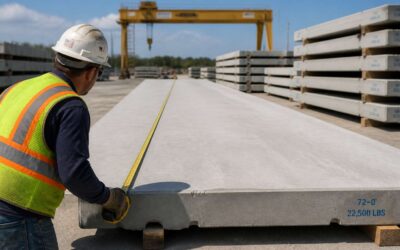
Quality control is the backbone of successful insulated precast concrete panel construction. Precision at every stage ensures the panels meet strict standards for strength, thermal performance, and aesthetic appeal. Implementing rigorous inspection protocols during manufacturing helps catch issues early, saving time and costs. For example, dimensional accuracy is verified through laser-guided measurements, ensuring each panel fits flawlessly on-site.
Manufacturers often adopt a combination of advanced testing and visual inspections to maintain consistency. An essential element is the curing process, which is carefully monitored to optimize the panels’ durability. To streamline quality assurance, many companies follow a systematic approach:
- Material quality checks before production begins
- Continuous monitoring of manufacturing parameters
- Post-production testing for structural integrity and insulation performance
This unwavering focus on quality control in insulated precast concrete panel construction minimizes defects and guarantees a dependable, high-performance product. In South Africa’s competitive construction landscape, such meticulous standards set a company apart and ensure long-term client satisfaction.
Transportation and Installation Preparation
The journey from design to installation in insulated precast concrete panel construction is a symphony of precision and craftsmanship. Every detail matters, from the initial digital modeling to the meticulous manufacturing process, where advanced techniques ensure each panel meets exact specifications. The design phase often involves sophisticated software that allows for intricate customization, ensuring the panels seamlessly integrate with architectural visions. Once the design is finalized, manufacturing begins, where precision molds and cutting-edge curing methods come into play, creating panels that are both durable and thermally efficient.
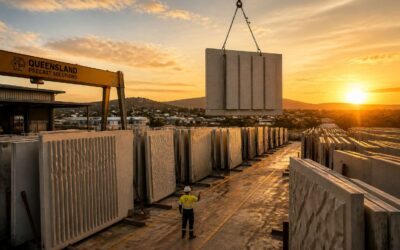
Transportation and installation are critical junctures that demand careful planning. Panels are carefully loaded onto specialized transport vehicles to prevent damage, considering South Africa’s diverse terrain and climate. Proper handling during transit preserves the integrity of the insulation and concrete surfaces. On-site, preparation involves ensuring foundations are level and ready to receive the panels. Installation teams often employ crane systems and precise lifting techniques, guided by detailed schematics, to position panels flawlessly. This meticulous approach ensures the integrity of insulated precast concrete panel construction, minimizing delays and ensuring a smooth assembly process.
Installation of Insulated Precast Concrete Panels
Site Preparation
In the realm of insulated precast concrete panel construction, site preparation is the foundational step that determines the entire project’s success. With South Africa’s diverse climatic conditions, meticulous groundwork ensures that these panels perform optimally, delivering energy efficiency and durability. A well-prepared site not only streamlines installation but also minimizes future maintenance costs, making it a wise investment for developers and contractors alike.
Essential site preparation involves clearing the area of debris, leveling the ground, and establishing a stable foundation. It’s crucial to verify that the subgrade has adequate bearing capacity to support the weight of the panels and related structures. Sometimes, this involves soil stabilization or the addition of granular layers to enhance stability. Proper drainage planning is equally vital to prevent water accumulation, which could compromise the structural integrity of the panels over time.
To facilitate seamless installation of insulated precast concrete panels, consider implementing a few strategic steps:
- Marking precise panel placement points based on detailed architectural plans
- Ensuring access routes are clear for transportation and crane positioning
- Confirming that the site has sufficient space for staging and temporary storage
By investing time in thorough site preparation, stakeholders set the stage for efficient, high-quality insulated precast concrete panel construction that meets both aesthetic and performance expectations.
Lifting and Handling Methods
Handling and installing insulated precast concrete panels requires careful planning and precision. These panels, often weighing several tonnes, demand robust lifting and handling methods to ensure safety and integrity. A well-executed lifting process not only protects the panels from damage but also guarantees worker safety on site, a priority that cannot be overstated.
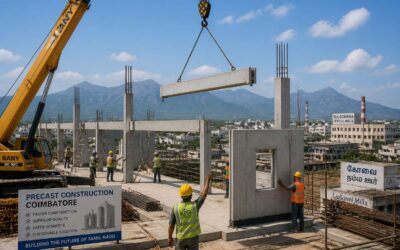
Crane systems are typically employed for panel installation, utilizing slings and lifting anchors specially designed for the panels’ weight and dimensions. It’s essential to follow manufacturer guidelines, ensuring that the lifting points are correctly positioned to prevent stress concentrations. Proper handling minimizes the risk of cracks or surface damage, which could compromise the panel’s thermal efficiency and structural performance.
To streamline this process, many teams adopt a sequence of steps, including:
- Positioning the crane and securing the lifting gear;
- Aligning the panel with its designated installation point;
- Slowly hoisting the panel, maintaining balance and control;
- Precisely placing the panel onto its foundation or anchorage system.
Choosing the right handling methods is crucial in insulated precast concrete panel construction, as it directly influences the project’s timeline, safety record, and the overall quality of the finished structure. When executed with care, these procedures ensure the panels arrive in pristine condition, ready to perform in South Africa’s diverse climate zones.
Assembly and Connection Techniques
Installation of insulated precast concrete panels is a delicate dance that combines precision, patience, and a touch of engineering artistry. Once the panels are safely on site, the next step involves securing them with connection techniques that ensure stability and thermal integrity. Proper assembly is the backbone of durable insulated precast concrete panel construction, especially in South Africa’s varied climate zones where weather resilience is non-negotiable.
Connection methods typically involve a combination of mechanical fasteners, steel anchors, and sealing joints that keep thermal bridges at bay. In many cases, a carefully calibrated sequence is followed to align panels seamlessly, often starting with temporary bracing to maintain position. Once aligned, panels are joined using specialized connectors—sometimes with embedded lifting anchors—that facilitate both structural stability and ease of future maintenance.
- Align the panels with precision, checking for levelness and plumbness.
- Secure the panels with steel anchors, ensuring they are correctly positioned to withstand environmental forces.
- Seal all joints meticulously to prevent thermal bridging and moisture ingress.
This meticulous process minimizes gaps and ensures the thermal efficiency of the insulated precast concrete panel construction, which is particularly vital in South Africa’s diverse climate—ranging from scorching heat to chilly winter nights. When executed flawlessly, these assembly and connection techniques elevate the entire project, transforming a collection of panels into a cohesive, high-performance façade that lasts for decades.
Ensuring Structural Integrity
In the realm of modern construction, ensuring the structural integrity of insulated precast concrete panel construction is paramount, especially within South Africa’s diverse climate zones. These panels are engineered for resilience, but their true strength lies in meticulous installation practices. Proper handling during installation preserves the panels’ integrity, preventing damage that could compromise their thermal efficiency or durability over time. It is crucial that the panels are lifted and positioned with care, using specialized handling equipment designed to distribute weight evenly and minimize stress points.
Once on site, aligning each panel with precision is a delicate process. Using laser levels or plumb lines, installers verify the panels are perfectly vertical and level, preventing future issues such as cracking or misalignment. Securing panels involves a combination of steel anchors and mechanical fasteners, which must be correctly calibrated to withstand environmental forces like wind and seismic activity. Sealants and joint fillers are applied meticulously to prevent thermal bridging and moisture ingress, safeguarding the building’s long-term performance.
Adhering to a systematic sequence during installation—such as starting with temporary bracing and progressing to permanent fixings—creates a stable framework. This process not only enhances the structural integrity of the insulated precast concrete panel construction but also ensures the facade’s seamless appearance and energy efficiency. When every step is executed with precision, these panels form a resilient, weather-resistant barrier—transforming the building into a durable, high-performance structure capable of enduring South Africa’s climatic extremes.
Applications and Building Types
Commercial and Industrial Buildings
In the bustling landscape of South Africa’s commercial and industrial sectors, the demand for rapid, durable, and energy-efficient building solutions has never been higher. Insulated precast concrete panel construction emerges as a game-changer—transforming the way structures are erected and how they perform over their lifespan. These panels are particularly well-suited for large-scale projects where speed and strength are paramount.
From expansive warehouses to sleek office complexes, insulated precast concrete panels provide a seamless blend of functionality and aesthetic appeal. They are ideal for applications requiring robust thermal insulation, ensuring that buildings maintain comfortable interior environments while reducing energy consumption. Large commercial developments, industrial facilities, and even retail centers benefit from the versatility and resilience of these panels, which can be customized to meet specific design and structural needs.
Educational Facilities
Educational facilities in South Africa are increasingly turning to innovative construction methods that prioritize both speed and longevity. Insulated precast concrete panel construction offers a compelling solution, especially for schools and training centers that demand quick turnaround times without compromising quality. These panels can be tailored to create vibrant, welcoming environments that foster learning and community.
Moreover, the versatility of insulated precast concrete panels allows for seamless integration of structural and aesthetic elements, making them suitable for a variety of building types. From modern university campuses to vocational training centers, these panels provide superior thermal insulation—ensuring comfortable indoor climates and reducing energy costs over time.
In the realm of educational building applications, the following features are particularly advantageous:
- Rapid installation minimizes disruption to ongoing academic activities
- Enhanced thermal performance promotes energy efficiency and sustainability
- Customizable designs support varied architectural styles and branding
As South Africa’s educational infrastructure evolves, the adoption of insulated precast concrete panel construction stands out as a forward-thinking choice—merging durability, efficiency, and aesthetic flexibility into a single, resilient solution. It’s not just about building structures; it’s about shaping environments where future generations can thrive.
Healthcare Structures
Healthcare structures in South Africa are rapidly evolving, and insulated precast concrete panel construction is leading the charge. These panels are ideally suited for hospitals, clinics, and medical centers that demand swift construction without sacrificing durability. Their high thermal efficiency helps maintain sterile environments while reducing energy costs—a win-win for budget-conscious health administrators.
In addition to their functional benefits, insulated precast concrete panels lend themselves well to various healthcare building types. From sleek outpatient clinics to sprawling hospital complexes, their modular nature allows for flexible design options.
- Rapid assembly reduces disruption in sensitive environments
- Superior insulation promotes comfortable, stable indoor climates
- Custom finishes support branding and aesthetic preferences
In the realm of healthcare infrastructure, these panels are more than just a building material—they’re a strategic asset. Their ability to seamlessly integrate multiple functions accelerates project timelines and enhances the overall resilience of medical facilities, ensuring they stand the test of time while providing safe, comfortable spaces for patients and staff alike. Insulated precast concrete panel construction isn’t just a construction choice; it’s a healthcare game-changer in South Africa’s pursuit of sustainable, efficient, and cutting-edge medical environments.
Multifamily Residential Projects
Multifamily residential projects in South Africa are embracing the versatility of insulated precast concrete panel construction with enthusiasm. These panels offer a seamless blend of speed and aesthetic appeal, making them ideal for densely populated urban areas where time is of the essence. Their modular nature allows developers to tailor designs that reflect local architectural character while ensuring structural strength and energy efficiency.
For large-scale apartment complexes and townhouse developments, insulated precast concrete panels streamline the construction process by enabling rapid assembly on-site. This not only minimizes disruptions to surrounding communities but also accelerates occupancy timelines, a crucial factor in fast-growing cities. Additionally, their superior insulation properties create comfortable living environments, reducing energy costs and promoting sustainability—a significant advantage in South Africa’s evolving housing landscape.
- Speedy installation reduces construction duration, allowing projects to meet tight deadlines.
- Custom finishes and textures support unique aesthetic visions, from modern minimalism to traditional African motifs.
- The panels’ inherent durability ensures long-lasting performance, even in the face of South Africa’s diverse climate.
In multifamily residential developments, insulated precast concrete panel construction stands out as a strategic choice, balancing efficiency with visual appeal. Its adaptability makes it possible to craft vibrant, resilient communities that meet the needs of modern South Africans—and do so with an eye toward sustainability and future growth.
Cost Factors and Budgeting
Material and Manufacturing Costs
In the intricate dance of construction, the cost factors and budgeting considerations for insulated precast concrete panel construction often determine whether a project soars or stalls. Material and manufacturing costs form the core of this financial symphony, each note echoing through the budget with subtle yet profound impacts. The choice of raw materials, from high-performance insulation to precision-engineered concrete, influences the overall expense, sometimes unexpectedly so.
Understanding these variables is essential. For instance, the complexity of design and custom finishes can escalate costs, yet they also promise aesthetic finesse and durability. When planning for insulated precast concrete panel construction, it’s wise to consider the following:
- Material procurement costs
- Manufacturing labor and equipment expenses
- Transportation and handling fees
By carefully balancing these elements, builders can craft structures that are not only resilient and energy-efficient but also cost-effective. As with any masterpiece, the true artistry lies in meticulous budgeting—where every rand and rand is a brush stroke, shaping the final vision of enduring excellence in construction.
Installation Expenses
Cost factors and budgeting are critical in insulated precast concrete panel construction. Unexpected expenses can quickly turn a smooth project into a financial headache. Installation expenses, in particular, often account for a significant portion of the overall budget. These costs include site preparation, lifting, handling, and the actual assembly process. Each step demands precision and planning to avoid delays that can inflate costs.
For example, the complexity of panel installation can vary widely depending on the building design. An efficient approach involves understanding key cost drivers and optimizing logistics. To streamline the process, consider these important elements:
- Equipment rental and maintenance
- Skilled labor wages
- Transport and handling fees
Balancing these factors helps ensure that insulated precast concrete panel construction remains within budget while maintaining high quality and durability. Keeping a close eye on installation expenses can make the difference between a project that soars and one that stalls!
Long-term Cost Savings
In the realm of insulated precast concrete panel construction, understanding the intricate web of cost factors is crucial. These costs are not merely numbers on a ledger—they reflect the very essence of how a project’s future resilience and efficiency are shaped. Budgeting with foresight allows us to navigate the unpredictable currents of construction expenses, especially as long-term cost savings hinge on initial strategic decisions.
At the core of effective budgeting lies an awareness of the significant elements that influence total expenditure. Equipment rental and maintenance, skilled labor wages, and transport and handling fees are the pillars supporting the entire process. Each of these components demands meticulous planning to prevent unforeseen expenses that could derail progress. Balancing these factors isn’t just about saving money; it’s about ensuring the enduring strength and integrity of the finished structure.
- Accurate estimates of handling and lifting requirements
- Streamlined logistics to minimize delays
- Investing in quality materials to reduce future maintenance costs
By embracing a comprehensive approach to cost management, stakeholders can unlock the true potential of insulated precast concrete panel construction—achieving durability and energy efficiency without compromising on financial stability. After all, the true measure of success is not just in erecting a structure, but in creating one that endures the test of time and human ambition.
Comparative Cost Analysis
In the realm of insulated precast concrete panel construction, understanding cost factors is more than just crunching numbers—it’s about mastering a delicate balance that influences a project’s entire lifespan. The initial investment can seem steep, but the long-term savings—especially in energy efficiency and maintenance—often tip the scales in favor of this innovative building method. Accurate budgeting hinges on evaluating key elements such as material costs, transportation fees, and labor wages, all of which can fluctuate unpredictably.
- Material quality and sourcing
- Handling and lifting equipment
- Transportation and logistics
These components demand meticulous planning to prevent unforeseen expenses that could compromise project timelines. When comparing costs, a detailed analysis of these factors reveals that a strategic approach to insulated precast concrete panel construction not only reduces upfront costs but also enhances durability and resilience, making it a cost-effective choice for South African projects.
Challenges and Considerations
Design Limitations
While insulated precast concrete panel construction offers remarkable benefits, it is not without its challenges. One significant hurdle is the inherent design limitation posed by the size and shape of panels. Larger panels can streamline construction but may compromise flexibility, forcing designers to adhere to strict specifications that limit aesthetic diversity or unique architectural features.
Another consideration is the potential for thermal bridging if the insulation isn’t meticulously integrated during manufacturing. This subtle flaw can undermine the very energy savings that make insulated precast concrete panel construction so appealing. Furthermore, transportation and handling of large panels demand precise logistics planning, as improper handling could lead to cracking or damage, delaying project timelines and escalating costs.
In the realm of design limitations, it’s crucial to recognize that the customization of panels, while feasible, might involve increased complexity and expense. The delicate balance between maintaining structural integrity and achieving desired visual effects often requires innovative solutions and careful coordination among stakeholders. Ultimately, these challenges highlight the importance of thorough planning and expertise in insulated precast concrete panel construction, ensuring that aesthetic goals and structural demands align seamlessly.
Installation Challenges
Despite its many advantages, insulated precast concrete panel construction presents notable installation challenges that demand meticulous planning and precision. One primary hurdle is the handling of large, heavy panels, which require specialized lifting and handling methods to prevent damage during installation. Improper handling can lead to cracking or structural compromise, ultimately delaying project timelines and increasing costs.
Transportation logistics also play a crucial role. Shipping large panels over long distances involves navigating narrow roads, tight turns, and weight restrictions—each factor demanding careful coordination. To streamline the process, many project managers opt for ordered installation sequences, ensuring panels arrive on-site in the right order and reducing on-site congestion.
Furthermore, aligning panels seamlessly during assembly can be intricate. Variations in manufacturing tolerances may necessitate on-the-fly adjustments, which require skilled labor and precise connection techniques. Incorporating these considerations into the initial design phase is vital to mitigate unforeseen complications, ensuring that the integrity and aesthetic appeal of the insulated precast concrete panel construction are maintained from start to finish.
Regulatory and Code Compliance
Regulatory and code compliance can be a formidable obstacle in the realm of insulated precast concrete panel construction. While the technology offers unmatched efficiency and durability, navigating South Africa’s building standards and environmental regulations requires vigilance. Overlooking these details can result in costly delays or even project shutdowns, which is a risk no builder can afford.
One must consider local standards for fire safety, thermal performance, and structural integrity, all of which vary depending on the application. For instance, hospitals and educational facilities have strict codes that demand rigorous testing and certification of materials and installation methods. To avoid surprises, many project managers incorporate a comprehensive review of statutory requirements early in the planning phase.
- Engage with certified inspectors familiar with insulated precast concrete panel construction.
- Ensure all manufacturing processes align with South African National Standards (SANS).
- Keep detailed documentation to demonstrate compliance during inspections.
Failing to meet these regulatory benchmarks can compromise project timelines and inflate costs. As the stakes rise, adherence to compliance becomes not just a legal obligation but a strategic advantage in ensuring the long-term performance and safety of the structure. In the complex puzzle of insulated precast concrete panel construction, understanding and navigating these compliance challenges is essential for success—an intricate dance that demands both expertise and foresight.
Maintaining Quality Standards
Maintaining quality standards in insulated precast concrete panel construction is no small feat. The stakes are high, and even minor lapses can lead to costly rework or project delays. One of the primary challenges is ensuring consistency across manufacturing batches, especially when sourcing materials locally. Variations in raw material quality can compromise thermal performance and structural integrity.
To mitigate these risks, thorough quality control measures are essential. Regular inspections, strict adherence to South African National Standards (SANS), and real-time testing during production can catch issues early. Incorporating a robust quality assurance system helps maintain the precision required for effective insulation and durability.
Furthermore, logistical hurdles such as transportation and handling can impact the integrity of the panels. Careful planning for lifting and handling methods ensures the panels arrive on-site in optimal condition. Ultimately, unwavering focus on quality standards in insulated precast concrete panel construction safeguards the long-term performance and safety of the building. This attention to detail is what sets successful projects apart in South Africa’s competitive construction landscape.
Future Trends in Insulated Precast Concrete Panel Construction
Innovations in Insulation Technologies
As we peer into the future of insulated precast concrete panel construction, one thing is abundantly clear: innovation isn’t just a trend; it’s a necessity. The relentless pursuit of enhanced insulation technologies promises to revolutionize how we approach energy efficiency and sustainability. Advances such as aerogel-infused panels and phase change materials are poised to dramatically elevate thermal performance, ensuring buildings stay cooler in summer and warmer in winter—without the need for excessive energy. These breakthroughs also cater to the increasing demand for eco-friendly solutions in South Africa, where energy conservation is a pressing concern.
Moreover, the integration of smart sensors within insulated precast concrete panels is set to usher in a new era of building intelligence. Imagine panels that can monitor their own thermal integrity and alert maintenance teams before problems even arise! A few notable trends include:
- Development of lightweight insulation cores that don’t compromise strength
- Hybrid panels combining recycled materials with cutting-edge insulation technology
- Enhanced manufacturing processes that reduce waste and improve precision
These innovations collectively promise not only to refine the aesthetics and durability of insulated precast concrete panel construction but also to accelerate adoption across diverse building typologies—from commercial complexes to healthcare facilities. As the industry evolves, staying abreast of these technological advancements will be crucial for architects and developers seeking to push the boundaries of design and efficiency.
Sustainable and Green Building Practices
As South Africa accelerates its shift toward greener building practices, the future of insulated precast concrete panel construction is poised to redefine sustainability in the industry. Innovations are not just enhancing thermal performance—they’re embedding eco-conscious principles at every stage of the construction process. Expect to see an increased reliance on recycled materials and bio-based insulation cores, which significantly reduce carbon footprints while maintaining structural integrity.
One exciting trend is the development of hybrid panels that seamlessly integrate recycled content with advanced insulation technology. This approach not only boosts energy efficiency but also aligns with the country’s pressing need for sustainable solutions. Moreover, the evolution of manufacturing techniques now emphasizes waste reduction and precision, ensuring each panel contributes to a greener, more efficient building environment.
In tandem with these advancements, the adoption of green building certifications and regulatory standards is becoming more prevalent, encouraging architects and developers to prioritize environmentally friendly options. As the industry evolves, the integration of sustainable practices within insulated precast concrete panel construction will undoubtedly become a cornerstone of innovative, eco-conscious architecture across South Africa.
Smart Building Integrations
As South Africa’s architectural landscape becomes increasingly interconnected with the digital age, the future of insulated precast concrete panel construction is undeniably heading towards smarter, more integrated solutions. One of the most compelling trends is the advent of smart building integrations, where panels are no longer mere static components but active participants in building management systems. These panels can incorporate sensors to monitor thermal performance, structural health, and even energy consumption in real time, fostering a new level of sustainability and efficiency.
Imagine a building that intuitively adjusts its energy usage based on occupancy patterns or weather conditions—this is the promise of smart building integrations within insulated precast concrete panel construction. Advanced connectivity allows these panels to communicate with centralized building automation systems, optimizing energy flow and reducing operational costs. As technology continues to evolve, expect to see more innovative applications, such as embedded IoT devices, that further enhance building intelligence and sustainability.
- Integration of real-time data analytics
- Embedded sensors for structural and environmental monitoring
- Enhanced energy management through automated controls
This convergence of construction and technology not only elevates the performance of the panels but also aligns with South Africa’s broader goals of sustainable development. The synergy between smart building systems and insulated precast concrete panel construction paves the way for a future where buildings are more than just structures—they become responsive, environmentally conscious ecosystems that serve both people and the planet with greater efficacy.
Advancements in Manufacturing and Installation Techniques
As the horizon of construction technology broadens, the future of insulated precast concrete panel construction beckons with a promise of revolutionary advancements. Imagine a world where manufacturing techniques are not merely faster but more precise, harnessing innovations like robotic automation and 3D modelling to craft panels with unmatched accuracy and consistency. These enhanced methods enable the production of complex geometries and intricate designs, elevating aesthetic possibilities while maintaining structural integrity.
Simultaneously, installation techniques are evolving into a ballet of efficiency and safety. Prefabricated components can now be assembled with minimal on-site work through modular connection systems, reducing labour costs and construction timelines. In addition, lifting and handling methods are becoming more sophisticated, utilizing hydraulic cranes and engineered rigging to ensure panels are positioned flawlessly—each movement a stroke in the masterpiece of building.
Progressive manufacturing and installation techniques not only accelerate project delivery but also ensure superior quality in insulated precast concrete panel construction. As these methods become more refined, they unlock new horizons for architects and builders alike—marrying form and function in a dance that promises to redefine South Africa’s architectural landscape. The confluence of innovation and craftsmanship heralds a new era where each panel becomes a testament to precision, durability, and aesthetic excellence.
0 Comments