
Understanding the Basics of Precast Concrete and Traditional Concrete
Definition of Precast Concrete
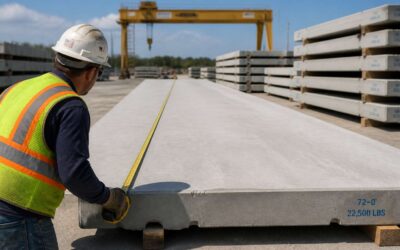
In the grand theatre of construction, precast concrete plays a starring role, often overshadowing traditional concrete in both versatility and efficiency. Understanding the fundamental differences between precast concrete vs concrete is crucial for architects and builders aiming for excellence. Precast concrete is manufactured off-site in controlled environments, allowing for precision and consistency that are often elusive with onsite poured concrete. This method ensures that each element, from beams to panels, adheres to strict quality standards, reducing the likelihood of costly errors.
By contrast, traditional concrete—often poured directly at the construction site—offers flexibility but demands meticulous timing and skilled labor. Its definition hinges on the simple principle of mixing cement, aggregates, and water to form a durable material, but its properties can vary significantly based on environmental conditions and handling. For those seeking predictability and faster turnaround times, precast concrete’s off-site production process provides a compelling advantage, making it a preferred choice in many modern South African projects.
Definition of Traditional Concrete
Understanding the basics of precast concrete versus traditional concrete is like comparing a bespoke suit to a ready-to-wear jacket—both serve a purpose, but one fits with far more finesse. Precast concrete, often hailed as the superstar of modern construction, is manufactured in a controlled environment, ensuring each piece is crafted with the precision of a Swiss watch. Meanwhile, traditional concrete is the rugged, improvisational artist—mixed on-site, molded by weather, and often demanding a chef’s touch to get right.
Traditional concrete’s definition hinges on the simple act of mixing cement, aggregates, and water to produce a durable material. It’s the go-to for flexibility, especially when custom shapes or on-the-fly adjustments are needed. However, this flexibility can be a double-edged sword—environmental factors like rain or temperature swings can turn a perfect pour into a costly mess. In contrast, precast concrete’s off-site manufacturing process offers consistency and speed, making it the preferred choice for projects demanding predictability and efficiency.
Manufacturing Processes and Techniques
Understanding the intricacies of how precast concrete vs concrete are manufactured reveals a fascinating dichotomy in the realm of construction. Precast concrete is produced in a highly controlled factory environment, where skilled artisans—think of them as the Michelangelo’s of the concrete world—mould each element with meticulous precision. This process involves casting the concrete into specific forms, allowing it to cure thoroughly before being transported to the construction site. The result? Uniformity and speed that are hard to beat.
Traditional concrete, on the other hand, is a more improvisational affair, mixed directly on-site using the classic recipe of cement, aggregates, and water. It’s a flexible, adaptable substance, perfect for custom shapes or sudden modifications. However, this on-the-fly approach introduces variables—weather, temperature, and human error—that can turn a straightforward pour into a logistical nightmare. To streamline traditional concrete’s production, many builders employ techniques such as:
- Careful mixing protocols
- Temperature control measures
- On-site curing practices
While precast concrete vs concrete each has their merits, the debate often boils down to predictability versus flexibility—each suited to different project demands and environmental conditions. The art lies in choosing the right approach for the job at hand, especially when South Africa’s diverse climate and infrastructure needs come into play.
Common Uses and Applications
Understanding the basics of precast concrete and traditional concrete reveals a world of possibilities in construction, each with its own unique charm. Precast concrete, crafted in meticulously controlled factory environments, offers a symphony of precision and efficiency. It’s as if each element is a masterpiece, cast and cured to perfection before journeying to the site. This process ensures uniformity and rapid assembly, making it an ideal choice for large-scale projects that demand predictability.
Meanwhile, traditional concrete remains the versatile artisan of the construction realm. It’s the fluid clay that adapts to any shape or form, poured fresh at the site where it’s needed most. Its common uses span from foundational slabs to intricate architectural features, where flexibility and on-the-fly adjustments are paramount. The choice between precast concrete vs concrete often hinges on project scope and environmental factors. For instance, in South Africa’s diverse climate, the decision can significantly influence timelines, costs, and durability.
Material Composition and Structural Properties
Ingredients and Mix Design
At the heart of durable construction lies an intricate dance of ingredients—each component contributing to the material’s ultimate strength and resilience. When comparing precast concrete vs concrete, understanding their composition reveals why these differences matter. Precast concrete is meticulously crafted with precise mix design, often incorporating specialized admixtures that enhance its durability and ease of handling. Its ingredients—cement, aggregates, water, and additives—are blended in controlled environments, resulting in a uniform, high-quality product.
The structural properties of these materials are profoundly influenced by their mix design. Precast concrete typically boasts a denser matrix, achieved through optimized aggregate gradation and controlled curing, which imparts superior tensile strength and crack resistance. In contrast, traditional concrete, poured on-site, often exhibits variability due to environmental factors and less precise mixing. The choice between precast concrete vs concrete hinges on these fundamental differences, with precast offering a predictable, high-performance alternative that stands the test of time and elements.
Strength and Durability
Material composition lies at the heart of what makes precast concrete a marvel of modern engineering. Its ingredients—cement, carefully graded aggregates, water, and tailored additives—are harmoniously blended under strict quality controls. This meticulous process results in a material with a dense, uniform structure that surpasses traditional concrete in strength and durability.
When comparing precast concrete vs concrete, the structural properties come sharply into focus. Precast elements boast enhanced tensile strength, crack resistance, and longevity thanks to optimized mix design and controlled curing processes. The controlled environment ensures consistency, allowing for high-performance applications that stand resilient against South Africa’s demanding climate. Conversely, traditional concrete poured on-site often suffers from variability, influenced by environmental factors and less precise mixing techniques.
To illustrate, precast concrete’s superior durability can be attributed to its dense matrix, which imparts resistance to weathering and chemical attack. This quality is especially vital in regions where infrastructure faces constant exposure to the elements. The difference in material composition and structural integrity ultimately influences the lifespan and performance of construction projects—making precast concrete vs concrete a choice that often favors precision, strength, and enduring beauty.
Flexural and Compressive Strength
In the realm of construction, the material composition of precast concrete versus traditional concrete reveals a nuanced divergence—each with implications that echo through structural integrity and longevity. Precast concrete’s mix is meticulously engineered, with precisely graded aggregates, optimized cement proportions, and carefully calibrated additives, resulting in a dense, homogenous matrix. This consistency not only enhances its overall strength but also fortifies its resistance to environmental assaults—an essential trait amidst South Africa’s capricious climate.
Structural properties, particularly flexural and compressive strength, are where the true distinctions emerge. Precast concrete exhibits superior flexural strength, allowing it to withstand bending forces that would cause conventional concrete to crack prematurely. Its compressive strength, often exceeding 40 MPa, underscores its capacity to bear significant loads with minimal deformation. For example, the controlled curing environment of precast elements ensures uniformity, translating into predictable performance in high-stakes construction projects. Conversely, concrete poured on-site is susceptible to variability—affected by curing conditions, environmental factors, and mixing precision—making its structural reliability more unpredictable.
- Precast concrete’s dense matrix enhances crack resistance, prolonging its service life in demanding environments.
- Traditional concrete’s structural properties depend heavily on on-site conditions, often leading to inconsistent performance.
In essence, when comparing precast concrete vs concrete, the choice pivots on the assurance of strength and durability—qualities that are meticulously baked into its composition and manufacturing process. It’s a testament to how material science and craftsmanship intertwine to forge resilient, enduring structures that stand the test of time and nature’s relentless challenges.
Weather Resistance and Longevity
The durability of construction materials is critical in South Africa’s unpredictable climate. Precast concrete’s material composition is carefully engineered, resulting in a dense, uniform matrix that resists environmental wear. This meticulous mix design enhances weather resistance, making it ideal for regions prone to moisture, temperature fluctuations, and corrosion. In contrast, traditional concrete’s performance can vary significantly due to inconsistent curing and environmental exposure during pouring.
Regarding structural properties, precast concrete boasts superior flexural and compressive strength. Its controlled manufacturing process ensures predictable performance, even under high loads. To illustrate, precast elements often have a compressive strength exceeding 40 MPa, allowing for larger spans and thinner sections without sacrificing integrity. Meanwhile, concrete with on-site pouring depends heavily on weather and workmanship, often leading to unpredictable durability and lifespan.
Its longevity is further reinforced by precast concrete’s resistance to cracking and degradation over time. For example, its dense matrix minimizes crack propagation, directly extending service life. When comparing precast concrete vs concrete, the key difference lies in consistency—an essential factor in delivering resilient structures designed to stand the test of time in South Africa’s challenging environment.
Construction Speed and Efficiency
Casting and Installation Time
Construction Speed and Efficiency: Casting and Installation Time
When it comes to building projects, time isn’t just money — it’s the difference between hitting deadlines and playing catch-up. Precast concrete vs concrete? The former is a game-changer in construction speed. Unlike traditional concrete, which requires on-site mixing, curing, and finishing that can stretch over weeks, precast concrete is manufactured off-site in controlled environments. This means that large sections or panels are ready to be installed the moment they arrive on-site, slashing construction timelines dramatically.
Furthermore, precast concrete’s streamlined process minimizes weather delays, a common nemesis for poured-in-place concrete. Here’s a quick rundown of the efficiency benefits:
- Precast panels are produced simultaneously with site preparation, effectively overlapping tasks.
- Installation can be completed in a fraction of the time compared to traditional concrete pouring.
- Reduced on-site labor translates into fewer delays and less waste — a win for project managers aiming for swift completion.
In the fierce arena of construction, precast concrete vs concrete often tips the scales in favor of precast, especially when speed and efficiency are non-negotiable. It’s the secret weapon for projects demanding rapid turnaround without sacrificing quality or durability.
Construction Workflow Comparison
In the bustling world of construction, where time is often measured in fleeting moments rather than hours, the debate of precast concrete vs concrete takes on a new dimension. It’s not just about strength or aesthetics; it’s about the very rhythm of the project’s heartbeat. When speed and efficiency are paramount, precast concrete emerges as the silent hero, orchestrating a smoother workflow that leaves traditional concrete in the dust.
Construction workflow comparison reveals striking differences. Precast concrete, manufactured off-site in controlled environments, allows for simultaneous site preparation and component fabrication. This overlapping of tasks accelerates project timelines significantly. Conversely, traditional concrete demands on-site mixing, curing, and finishing—an often unpredictable process vulnerable to weather delays and labor inefficiencies. The result? Precast concrete vs concrete that leans heavily in favor of the former when swift delivery is a priority.
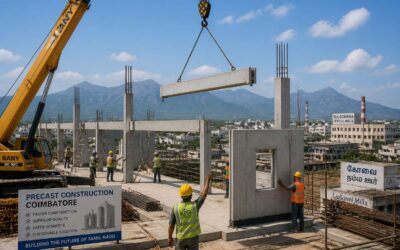
To illustrate, consider the typical installation process: precast panels can be delivered and installed in a matter of days, sometimes hours, whereas traditional concrete might stretch into weeks. This rapid turnaround isn’t merely a luxury but an essential factor in large-scale projects where delays translate into costly setbacks. The streamlined workflow of precast concrete ensures fewer disruptions, less waste, and a more predictable project schedule—an undeniable advantage in the competitive landscape of South African construction.
Impact on Project Timelines
In the relentless race against the clock, construction projects in South Africa are increasingly turning to precast concrete vs concrete to deliver results faster and smarter. When time is money—and let’s be honest, it often is—speed and efficiency can make or break a project. Precast concrete, manufactured off-site in controlled environments, offers a significant edge by drastically reducing on-site construction time. It’s like having your cake and eating it too, minus the messy crumbs.
The impact on project timelines is nothing short of dramatic. While traditional concrete requires hours or even days for pouring, curing, and finishing—often at the mercy of weather whims—precast panels arrive ready to install. This rapid deployment translates into fewer delays and a more predictable schedule, which is crucial given the tight deadlines typical of South African construction projects.
- Precast concrete components can be manufactured in parallel with site preparation, effectively doubling the pace of progress.
- Installation of precast elements often takes mere hours or days, compared to weeks for traditional concrete structures.
- Streamlined workflows reduce labor costs and minimize waste, ensuring resources are allocated more efficiently.
Such advantages aren’t just theoretical; they’re a game changer in high-stakes environments where every moment counts. When weighing precast concrete vs concrete, the choice often boils down to one thing: how swiftly can your project meet its deadlines without sacrificing quality? The answer is clear—precast concrete doesn’t just keep pace; it sets the tempo for modern construction excellence.
Labor and Equipment Requirements
Speed and efficiency are the heartbeat of modern South African construction projects, and when comparing precast concrete vs concrete, the difference is night and day. Precast concrete’s off-site manufacturing process allows for a dramatic reduction in construction time, making it the preferred choice for projects with tight deadlines. Unlike traditional concrete, which can take days to pour, cure, and finish, precast panels are ready to install right out of the factory, enabling swift progress on-site.
Labor and equipment requirements further tilt the scales in favor of precast concrete. The streamlined workflow reduces the need for extensive on-site labor and heavy machinery, minimizing costs and logistical chaos. For example, installation of precast elements often takes hours or a few days, whereas traditional concrete may require weeks of curing and finishing. This efficiency isn’t just about saving time—it’s about transforming project management into a seamless, predictable process.
- Precast components can be manufactured concurrently with site preparation, effectively doubling project speed.
- Fewer workers are needed on-site, reducing labor costs and enhancing safety.
- Less equipment is required, freeing up resources for other critical tasks.
Choosing precast concrete vs concrete isn’t just a matter of structural preference; it’s a strategic decision that impacts every facet of construction speed and resource allocation. When time is of the essence, precast concrete’s ability to deliver faster, more efficient results can be the secret weapon in any South African project’s arsenal.
Cost Considerations and Budget Implications
Initial Cost Analysis
Cost considerations often sway the delicate balance of construction decisions more than one might expect. When pondering precast concrete vs concrete, the initial expense isn’t merely a matter of material costs—it’s a dance of logistics, labor, and time. Precast concrete, with its factory-controlled environment, tends to command a higher upfront price due to sophisticated manufacturing and transportation needs. However, this premium often pays dividends in reduced on-site labor and faster installation, which can offset the initial investment.
For the budget-conscious, understanding the initial cost analysis is crucial. Precast concrete’s streamlined production means fewer surprises and delays, translating to predictable project costs. Conversely, traditional concrete’s on-site mixing can lead to cost overruns if weather or labor shortages intervene. To better grasp the financial landscape, consider this simplified comparison:
- Precast concrete generally involves higher material and manufacturing costs.
- Traditional concrete might seem cheaper initially but can incur additional expenses due to extended labor and potential delays.
- Long-term durability and maintenance costs also influence the total expenditure, often favoring precast options in the long run.
Ultimately, the choice between precast concrete vs concrete hinges on a nuanced evaluation of budget implications and project scope, not just the sticker price. It’s a strategic dance—balancing costs today against savings tomorrow, all while navigating the social nuances of construction timelines and resource availability in South Africa’s vibrant building landscape.
Long-term Maintenance and Repair Costs
When weighing the true cost of construction, long-term maintenance and repair costs often reveal the real story behind precast concrete vs concrete. While the initial investment might catch your eye—like a shiny new car—it’s the ongoing expenses that really determine value over time. Precast concrete, with its factory-controlled quality, offers a decisive advantage here. Its durability and resistance to the elements mean fewer repairs and less frequent upkeep, saving money in the long run.
In contrast, traditional concrete structures, especially those exposed to South Africa’s unpredictable weather, can be a maintenance nightmare. Cracks, spalling, and corrosion may creep in faster than anticipated, leading to costly repairs and downtime. For projects where longevity and minimal fuss matter, precast concrete tends to be a smarter investment. Plus, with fewer surprises during maintenance, budgets stay predictable—an essential factor in the complex dance of construction finance.
To better visualize this, consider the following:
- Precast concrete’s superior weather resistance reduces repair frequency.
- Maintenance costs for traditional concrete can skyrocket due to cracking and surface deterioration.
- Long-term savings are often achieved through fewer repairs, lower labor costs, and extended lifespan.
Ultimately, understanding these long-term costs makes all the difference when choosing between precast concrete vs concrete—because in construction, it’s not just about how much you spend today but how much you save tomorrow.
Transportation and Logistics Expenses
Cost considerations are a pivotal factor in choosing between precast concrete vs concrete. While precast options might seem pricier upfront, they often lead to significant savings during construction. Transportation and logistics expenses, however, can influence the overall budget. Precast concrete requires careful planning to optimize delivery routes and timing, especially when dealing with remote or hard-to-access sites in South Africa. These logistics can add to the initial costs but tend to be offset by faster installation and reduced on-site labor.
To manage costs effectively, consider these key factors:
- Transport distances and accessibility
- Delivery schedules aligning with project timelines
- Bulk purchasing to reduce per-unit transportation costs
While traditional concrete may appear cheaper at first glance, the added expenses of multiple deliveries and extended site work can quickly escalate. In the long run, precast concrete’s streamlined logistics often translate into lower total project costs, making it a competitive choice in the context of South Africa’s diverse terrain and infrastructure challenges.
Cost-Effectiveness for Different Projects
In the world of construction, budget-conscious decisions often hinge on nuanced factors that go beyond initial price tags. When comparing precast concrete vs concrete, understanding the true cost requires a broader perspective—one that considers not only materials but also project timelines, labor, and logistical intricacies. Precast concrete, despite its seemingly higher upfront cost, frequently offers compelling savings through expedited installation and minimized on-site labor demands. However, in South Africa’s diverse terrain, transportation and logistics expenses become pivotal. Remote sites and challenging access can inflate these costs, making careful planning essential.
Long-term cost-effectiveness depends heavily on project scope and location. For smaller or urban projects, precast concrete often proves more economical due to faster turnaround times. Conversely, traditional concrete may initially seem cheaper, but additional delivery rounds and prolonged site work can erode those savings. Ultimately, weighing the total project costs—factoring in transportation, logistics, and installation—reveals that precast concrete vs concrete each has its own merits. When properly managed, precast concrete’s streamlined logistics can dramatically reduce overall expenses, especially in South Africa’s complex construction landscape.
Environmental Impact and Sustainability
Environmental Footprint
In the grand theatre of construction materials, the environmental footprint of precast concrete vs concrete often takes center stage—yet, it’s a subplot many overlook amidst the drama of durability and cost. Interestingly, precast concrete tends to be more environmentally friendly, thanks to its controlled manufacturing process that reduces waste and energy consumption. This method allows for precise material use, minimizing excess and cutting down on the carbon footprint associated with traditional concrete production.
Moreover, the sustainability of precast concrete is amplified by its potential for reuse and recycling. By contrast, poured-in-place concrete often results in leftover materials that are discarded or underutilized, contributing to unnecessary waste. As South Africa increasingly adopts greener building practices, the ecological advantages of precast concrete vs concrete are becoming impossible to ignore. Here’s a quick glance at how these two compare in terms of environmental impact:
- Precast concrete manufacturing typically involves less energy per unit due to factory-controlled conditions.
- Precast elements can be produced with recycled aggregates, further reducing environmental strain.
- Transportation emissions are often lower because precast components are fabricated closer to their final installation sites, reducing logistical footprints.
Ultimately, embracing precast concrete vs concrete isn’t just about structural strength; it’s about choosing a sustainable path that aligns with global efforts to reduce ecological impact and promote greener construction in South Africa and beyond. After all, building responsibly today ensures a more resilient tomorrow—preferably one with a lower environmental footprint.
Recycling and Reusability
When weighing the environmental impact of construction materials, precast concrete vs concrete presents a compelling case for sustainability. Precast concrete’s controlled manufacturing process significantly reduces waste and energy consumption, making it a greener choice. Unlike traditional poured-in-place concrete, which often results in surplus material that ends up as waste, precast elements are precisely produced, minimizing excess. This efficiency not only cuts down on resource use but also lowers the overall carbon footprint of the project.
Recycling and reusability further tip the scales in favor of precast concrete. Many precast manufacturers incorporate recycled aggregates into their mix, decreasing reliance on virgin materials. Additionally, the modular nature of precast components lends itself well to reuse in future projects, promoting a circular approach to construction. Here’s how precast concrete vs concrete stacks up in sustainability:
- Precast concrete production typically consumes less energy per unit due to factory-controlled conditions.
- Recycled materials are commonly used in precast concrete manufacturing, reducing environmental strain.
- Transportation emissions are often lower because precast components are fabricated closer to their installation sites, cutting logistical footprints.
In South Africa, where ecological responsibility is increasingly vital, the comparative sustainability of precast concrete vs concrete isn’t just an option—it’s an imperative. Opting for precast not only underscores a commitment to greener construction but also aligns with global efforts to reduce ecological impact. Building smarter today ensures a more resilient and sustainable tomorrow!
Energy Consumption in Manufacturing
As the world pivots toward sustainable development, understanding the environmental impact of construction materials becomes paramount. Precast concrete vs concrete reveals a stark contrast in energy consumption during manufacturing, with precast options often emerging as the more eco-friendly choice. The factory-controlled environment of precast concrete production minimizes waste and energy use, reducing the overall carbon footprint. This precision in manufacturing not only conserves resources but also ensures a higher quality product with less environmental strain.
Moreover, the energy footprint of precast concrete can be significantly lower than traditional poured-in-place concrete. The streamlined process facilitates the use of recycled aggregates, further diminishing reliance on virgin materials. In South Africa, where ecological responsibility is increasingly vital, adopting precast concrete aligns with both environmental goals and sustainable construction practices. This approach embodies a commitment to reducing ecological impact, ensuring that progress does not come at the expense of our planet’s health.
Ultimately, the debate of precast concrete vs concrete extends beyond mere construction efficiency; it embodies a broader dedication to sustainability. The energy savings, recycled materials, and logistical efficiencies of precast concrete not only support greener building initiatives but also exemplify a resilient, forward-thinking approach to development. In a landscape where ecological consciousness shapes the future, precast concrete stands as a beacon of sustainable innovation—proof that building smarter today can forge a more sustainable tomorrow.
Eco-Friendly Alternatives and Innovations
Environmental impact is now more than just a buzzword—it’s a critical factor shaping the future of construction across South Africa. As urban development accelerates, the quest for eco-friendly alternatives intensifies. Precast concrete vs concrete reveals a profound difference: precast options tend to be more sustainable, thanks to their controlled manufacturing environment. This meticulous process reduces waste significantly and minimizes energy consumption, making precast concrete a compelling choice for those committed to green building practices.
Innovations in sustainable construction are rapidly emerging, with precast concrete leading the charge. Techniques such as incorporating recycled aggregates and utilizing low-carbon cement blends elevate its eco-friendly credentials. The ability to reuse formwork and optimize material use means less reliance on virgin resources—an essential consideration for environmentally conscious projects. For those seeking sustainable solutions, adopting precast concrete aligns seamlessly with global efforts to reduce ecological footprints and foster resilient infrastructure.
In the ongoing dialogue of precast concrete vs concrete, the latter’s environmental footprint often comes into sharper focus. Traditional poured-in-place concrete, while versatile, tends to consume more energy during on-site mixing and formwork installation. Conversely, precast concrete’s factory-controlled environment ensures precision, reducing emissions and waste. This innovation embodies a new era of construction—one where sustainability and efficiency walk hand in hand, creating a more sustainable future for South Africa and beyond.
Design Flexibility and Aesthetic Options
Custom Shapes and Sizes
When it comes to design flexibility, precast concrete stands out as a true chameleon among construction materials. Unlike traditional poured concrete, which is often confined by the limitations of on-site forms, precast elements can be crafted into a plethora of custom shapes and sizes with precision and ease. This adaptability allows architects to push the boundaries of creativity, delivering visually striking structures that marry form with function seamlessly.
Furthermore, the aesthetic options available with precast concrete are nothing short of impressive. From smooth, polished surfaces to textured finishes that mimic natural stone, the possibilities are virtually endless. For projects demanding a unique architectural statement, precast concrete offers a palette of design choices that simply cannot be matched by poured concrete. In debates about precast concrete vs concrete, the former’s capacity for customization often tips the scales for those seeking both beauty and practicality.
Consider this: the ability to produce complex, bespoke shapes in a controlled factory environment means less on-site disruption and more consistent quality. Whether you envision intricate facades, decorative panels, or specialized structural components, precast concrete’s versatility makes it the material of choice for projects that demand both visual flair and structural integrity.
Surface Finishes and Textures
When it comes to construction materials, the debate between precast concrete vs concrete isn’t just about strength—it’s about pushing the boundaries of design. Precast concrete offers unparalleled design flexibility, allowing architects to craft complex shapes and sizes that traditional poured concrete simply cannot match. This adaptability means structures can be as functional as they are visually captivating, seamlessly integrating form and function.
One of the most compelling features of precast concrete is its diverse range of surface finishes and textures. From sleek, polished surfaces to rugged, textured finishes that emulate natural stone, the aesthetic options are virtually limitless. This variety ensures that every project can achieve a unique look without sacrificing durability or quality. For those seeking to make a bold architectural statement, precast concrete provides an extensive palette of design choices that stand out in the realm of construction materials.
In the ongoing precast concrete vs concrete debate, surface finishes often tip the scales. The ability to produce high-quality, consistent finishes in a controlled factory environment not only enhances visual appeal but also reduces on-site work and potential delays. Whether it’s decorative panels, intricate facades, or structural components, precast concrete’s versatility allows for an elevated level of craftsmanship that poured concrete can seldom replicate.
Furthermore, the textures achievable with precast concrete can add depth and character to any project—be it smooth and sophisticated or bold and textured. Such options empower designers to explore creative possibilities that marry aesthetic appeal with structural integrity. The result? A construction process that is not only efficient but also capable of delivering visually stunning, customized solutions tailored to South African architectural trends and environmental demands.
Architectural Features
In the realm of modern architecture, the distinction between precast concrete vs concrete often hinges on the scope of design freedom and aesthetic sophistication. Precast concrete unlocks a world of architectural features that poured concrete simply cannot match. Its inherent adaptability allows for complex geometries, intricate detailing, and bold structural statements that elevate a building’s visual narrative. This flexibility is not just a matter of aesthetics but also a strategic advantage in delivering innovative designs within tight project timelines.
When it comes to aesthetic options, precast concrete offers an expansive palette. From smooth, polished surfaces that exude contemporary elegance to textured finishes that evoke natural stone or weathered surfaces, the variety is staggering. These choices enable architects and designers to craft structures that are both visually captivating and aligned with South Africa’s diverse architectural trends. The ability to incorporate custom shapes, sizes, and surface textures directly in the factory ensures a level of craftsmanship that traditional poured concrete struggles to sustain on-site.
Furthermore, the architectural features achievable through precast concrete significantly influence the overall character of a project. Elements such as decorative panels, intricate facades, and structural components can be produced with precision and consistency. This not only enhances aesthetic appeal but also streamlines the construction process. The controlled environment of precast manufacturing minimizes variations and ensures that each piece aligns perfectly with the intended design—an advantage that is particularly valuable in delivering complex architectural visions efficiently and accurately.
Compatibility with Modern Design Trends
In the fast-evolving landscape of modern architecture, the debate between precast concrete vs concrete often hinges on a single, crucial factor: design flexibility. Precast concrete unlocks a realm of aesthetic possibilities that poured concrete simply cannot match. Its inherent adaptability allows architects to craft complex geometries and intricate detailing with precision, transforming visionary ideas into tangible masterpieces.
One of the most compelling advantages of precast concrete is its compatibility with contemporary design trends. From sleek, minimalist facades to textured surfaces that mimic natural materials, precast offers an expansive aesthetic palette. The controlled factory environment ensures surface finishes and custom shapes are produced with flawless consistency, meeting the high standards demanded by South Africa’s diverse architectural scene.
For those seeking to push boundaries, precast concrete provides an edge in delivering innovative structures within tight project deadlines. Its versatility in surface textures and architectural features means that striking decorative panels and bold structural elements can be seamlessly integrated into any design. When comparing precast concrete vs concrete, the former’s ability to harmonize flexibility and visual sophistication makes it a preferred choice for architects aiming to make a statement while maintaining efficiency.
Quality Control, Standards, and Regulations
Industry Standards and Certifications
When evaluating **precast concrete vs concrete**, one cannot overlook the critical role that quality control, standards, and regulations play in ensuring the integrity and longevity of construction projects. In South Africa, industry standards are rigorously enforced to guarantee safety, durability, and environmental responsibility. Accredited manufacturing facilities adhere to strict protocols, often certified by local and international bodies, establishing a benchmark for excellence.
Ensuring compliance isn’t just about meeting legal requirements; it’s about delivering products that can withstand the harsh South African climate and demanding project specifications. For **precast concrete vs concrete**, the consistency of quality control measures often gives precast concrete an edge, as it is produced in controlled factory environments. This controlled setting minimizes variability and optimizes strength and durability. Moreover, adherence to industry certifications such as SABS (South African Bureau of Standards) ensures that both precast and traditional concrete meet essential performance criteria, securing peace of mind for contractors and clients alike.
Inspection and Testing Procedures
In the shadowed corridors of construction, where strength and longevity are paramount, the unseen hand of rigorous inspection and testing shapes the destiny of each project. When comparing precast concrete vs concrete, the fortress of quality control stands as a silent sentinel, guarding against the chaos of variability. South Africa’s demanding standards demand nothing less than precision—every batch scrutinized, every pour meticulously examined.
Accredited manufacturing facilities uphold strict protocols, often certified by bodies like the South African Bureau of Standards (SABS). These certifications aren’t mere labels but a testament to unwavering commitment to excellence. Inspection procedures incorporate advanced testing techniques—compression tests, tensile assessments, and weather resistance evaluations—that ensure the concrete’s resilience against the harsh South African climate.
For precast concrete vs concrete, the controlled environment of precast production offers a distinct advantage. It minimizes inconsistencies, resulting in components that consistently meet or exceed industry standards. To guarantee reliability, manufacturers often follow
- standardized testing cycles
- quality assurance audits
which collectively forge a formidable barrier against the unpredictable forces of nature and time.
Compliance with Building Codes
In the realm of construction, where precision and longevity are paramount, adherence to rigorous quality control, standards, and building code regulations is non-negotiable. When comparing precast concrete vs concrete, the integrity of each component hinges on meticulous compliance with South Africa’s demanding standards. Certified manufacturing facilities, often accredited by the South African Bureau of Standards (SABS), embody this unwavering commitment to excellence. These certifications serve as more than mere labels—they are a testament to a facility’s dedication to producing resilient, high-quality concrete elements.
Inspection and testing procedures form the backbone of quality assurance, utilizing advanced techniques such as compression tests, weather resistance evaluations, and tensile assessments. The controlled environment of precast concrete manufacturing offers a significant advantage, reducing variability and ensuring each component consistently meets or exceeds industry benchmarks. To uphold these rigorous standards, manufacturers typically follow detailed testing cycles and conduct regular quality assurance audits, creating an ironclad guarantee of durability against South Africa’s harsh climate and natural forces.
- Compliance with local building codes ensures that both precast concrete vs concrete elements align with safety and performance criteria.
- Adherence to national standards fosters trust among stakeholders, guaranteeing structural integrity and long-term resilience.
Ultimately, the distinction between precast concrete vs concrete becomes evident in the meticulous oversight and unwavering standards that define each. As the industry evolves, the pursuit of excellence remains constant—anchored firmly in rigorous testing, certification, and adherence to regulations that safeguard lives, investments, and the environment alike.
Impact on Building Safety and Performance
When it comes to building safety and longevity, quality control, standards, and regulations are the unsung heroes. In the ongoing battle of precast concrete vs concrete, adherence to South Africa’s rigorous building codes is what separates a structure that stands tall from one that crumbles under pressure. Certified manufacturing facilities—those proudly accredited by the South African Bureau of Standards (SABS)—are the gold standard. These facilities don’t just slap together concrete components; they meticulously follow strict quality assurance procedures to guarantee resilience against the country’s harsh climate.
Inspection and testing are the backbone of this process. Advanced techniques like compression tests, weather resistance evaluations, and tensile assessments ensure each element meets or exceeds industry benchmarks. Notably, the controlled environment of precast concrete manufacturing reduces variability, resulting in components that are consistently reliable. Regular quality assurance audits serve as a safeguard, ensuring every piece aligns with the high standards required for South African construction projects—which is crucial, whether you’re building a skyscraper or a humble residence.
Ultimately, the difference between precast concrete vs concrete hinges on the level of oversight and compliance. When standards are meticulously followed, both safety and performance are assured. This unwavering commitment to excellence safeguards investments, enhances building longevity, and guarantees structural integrity—key factors in South Africa’s demanding construction landscape.
Maintenance and Longevity
Preservation Requirements
In the shadowed corridors of construction, the battle between precast concrete vs concrete unfolds not just in strength, but in the silent language of preservation. Maintenance, often underestimated, is the guardian of longevity, ensuring structures stand resilient against time’s relentless march. Precast concrete, with its factory-controlled environment, demands less frequent repairs—its surfaces resist the scars of weather and wear more effectively than traditional cast-in-place concrete. This inherent durability translates into fewer touch-ups and lower long-term repair costs, a whisper of efficiency in the grand symphony of construction.
However, both materials require vigilance. Sealing joints and inspecting for cracks become vital rituals to stave off moisture ingress—an enemy that can erode even the sturdiest of structures. For precast concrete vs concrete, the key lies in understanding the subtle nuances of their preservation needs. Precast often boasts a tighter surface finish, making it less susceptible to the corrosive effects of South Africa’s diverse climate. Yet, neglect can still invite deterioration, emphasizing the importance of an ongoing maintenance regimen.
- Routine inspections for cracks or joint failures
- Application of protective sealants periodically
- Monitoring for signs of water ingress or surface spalling
In the grand theatre of architecture, the choice between precast concrete vs concrete hinges not only on initial strength but on the silent promise of durability—a covenant kept through diligent care and respect for the material’s intrinsic resilience. When maintained properly, both can defy the ravages of time; but precast, with its factory precision, often holds the edge in preserving its grandeur against the relentless passage of years.
Repair Processes
Longevity in construction isn’t just about initial strength; it’s a testament to meticulous maintenance and understanding the nuances of material resilience. When considering precast concrete vs concrete, the key to lasting structures often lies in the repair processes and how well they withstand the test of time. Precast concrete, manufactured under controlled factory conditions, boasts a surface finish that naturally resists weathering and surface spalling. This means fewer repairs and less frequent intervention—saving time and reducing long-term costs.
However, vigilance remains essential. Routine inspection of joints and surfaces helps identify potential issues early, such as cracks or water ingress. Applying protective sealants periodically can significantly prolong the lifespan of either material. For precast concrete vs concrete, the difference in surface quality means that precast often requires less surface treatment over time, but neglect can still lead to deterioration. An organized maintenance regimen—incorporating scheduled inspections and timely repairs—ensures both materials retain their structural integrity, reinforcing their longevity and performance.
For both precast concrete vs concrete, understanding their repair processes is crucial. Cracks, when detected early, can be filled with specialized sealants, preventing moisture ingress that accelerates deterioration. In some cases, surface spalling might necessitate surface grinding or patching, restoring the original finish.
- Routine crack monitoring
- Application of protective sealants
- Water ingress detection
These simple steps form the backbone of maintenance strategies that extend the lifespan of concrete structures, safeguarding your investment against South Africa’s diverse climate challenges.
Expected Lifespan
When evaluating the lifespan of structures built with precast concrete vs concrete, longevity hinges on both material resilience and maintenance practices. Precast concrete, produced under strict factory conditions, often boasts a superior surface finish that naturally resists weathering and surface spalling. This intrinsic quality means fewer repairs over time, translating into a longer expected lifespan and reduced long-term maintenance costs.
In contrast, traditional concrete may require more frequent upkeep, especially in challenging environments like South Africa’s diverse climate zones. Routine inspection and timely repairs—such as crack sealing or surface patching—are essential regardless of the choice. Recognizing early signs of deterioration helps prevent costly structural issues down the line. For example, cracks can be filled with specialized sealants, or surface spalling can be addressed through grinding or patching, thereby extending the structure’s durability.
- Regular inspections help detect early damage.
- Protective sealants can be reapplied periodically to enhance weather resistance.
- Addressing surface deterioration promptly prevents moisture ingress and structural weakening.
Ultimately, the combined effects of quality manufacturing, proper maintenance, and the inherent durability of precast concrete vs concrete determine the longevity of a structure. When well-maintained, both materials can serve reliably for decades, but precast concrete’s controlled production process often ensures a longer initial lifespan, making it a wise choice for projects demanding enduring strength and minimal repair interventions.
Impact of Environmental Conditions
Environmental conditions wield a silent yet profound influence on the longevity of structures constructed with either precast concrete vs concrete. In South Africa’s diverse climate—ranging from humid coastal areas to arid inland zones—these differences can determine whether a building withstands the test of time or succumbs prematurely. Precast concrete, manufactured in controlled factory environments, often exhibits superior resistance to environmental stressors, thanks to its enhanced surface finish and quality control measures. This makes it particularly resilient against moisture ingress, which is a common culprit behind surface spalling and structural weakening.
On the other hand, traditional concrete is more vulnerable to climatic fluctuations, especially if not properly maintained. Environmental exposure can accelerate cracking and deterioration, demanding more frequent repairs. To mitigate these effects, routine inspections are critical. Addressing early signs of damage—such as cracks or surface erosion—by sealing or patching can dramatically extend the lifespan of concrete structures.
- Protective sealants can be reapplied periodically to bolster weather resistance.
- Proper drainage systems help prevent water pooling, reducing moisture-related deterioration.
These measures are essential whether working with precast concrete vs concrete, as both materials require vigilant upkeep to maximize longevity in South Africa’s challenging environment. Ultimately, the inherent durability of precast concrete often provides a longer initial lifespan, but proactive maintenance remains the backbone of enduring structural integrity regardless of material choice.
0 Comments