
Overview of precast concrete components
What is precast concrete and how it works
A telling stat: precast projects typically shave weeks off schedules compared with traditional on-site pours, a speed boost that even the stubborn hard hats can’t ignore. ‘It’s fast, clean, and predictable,’ says a site manager.
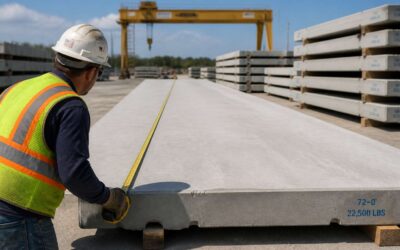
What is precast concrete or how it works? It’s concrete cast in a controlled factory, shaped into components, cured, and then delivered to site for rapid assembly. The result is higher quality, tighter tolerances, and less weather drama on installation days.
Key components typically include:
- Beams and floor slabs
- Wall panels
- Stairs and risers
- Facade panels
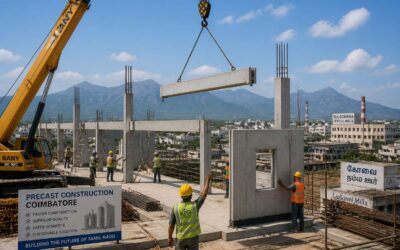
These elements move through factory doors with precision, then snap into place on site like Lego for grown-ups. It’s practical, plus it smiles at the weather window!
Key precast products and components
South Africa’s construction sites are quietly reshaped by precast concrete or its modular cousins. Projects that lean into factory-made units shave weeks off schedules, turning unpredictable weather into a manageable rhythm! ‘Fast, clean, and predictable,’ a site manager often says, and that sentiment travels from Cape Town to Rustenburg through every crane and corridor.
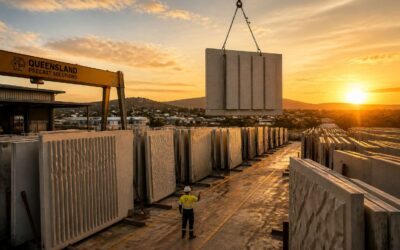
In practice, precast components are cast in controlled factories, cured to tight tolerances, and delivered ready to snap into place. The result is higher quality with fewer on-site surprises and minimal weather exposure. You’ll see broad families that form the backbone of many structures: structural members, wall systems, stairs, and architectural façades.
- Structural members for floors and frames
- Unitised wall and façade panels
- Stair and riser assemblies
- Architectural panels and decorative facades
Manufacturing process and factory control
In the world of precast concrete or modular systems, factory-made units glide through a predictable rhythm that keeps South Africa’s construction sites nimble and resilient. From Cape Town’s coastline to the Highveld, the approach shortens weather delays and lengthens the life of every structure with quiet certainty.
- Design and formwork planning
- Reinforcement placement and concrete casting
- In-bay curing under controlled temperature and humidity
- Dimensional checks and surface finishing
- Quality assurance, packaging, and load-ready delivery
Inside the plant, the manufacturing process is steered by diligent factory control—climate-controlled bays, precisely dosed mixes, and a ledger of every batch. This choreography yields panels and members with tight tolerances, clean finishes, and the confidence to rise, story by story, toward the skyline.
Quality standards and certifications in precast
Factory precision reshapes South Africa’s skyline: precast concrete or modular systems beat weather delays, slashing on-site risk and boosting predictability. Projects report up to 40% faster turnover when panels roll straight from the plant to the crane, with Cape Town to Johannesburg on the same rhythm.
Key precast components cover walls, floors, and envelopes, allowing rapid assembly without weather disruption. Typical units include:
- Wall panels and load-bearing walls
- Floor slabs and mezzanines
- Beams and columns
- Stair flights and cores
- Facade panels and architectural cladding
Quality standards and certifications in precast cement the promise. Factory control, through automated curing and testing, aligns with ISO quality management systems and local SANS or building-code requirements. Regular third-party inspections ensure consistency, durability, and fire performance across batches.
Benefits and cost considerations of precast concrete
Durability and long-term performance
South Africa’s builders crave durability that outlasts permit deadlines. precast concrete or factory-made elements resist heat, salt air, and the quirks of our climate, delivering consistent strength from day one to years down the line. Fewer cracks, tighter tolerances, and less on-site curing mean fewer maintenance surprises. In short, it ages gracefully and keeps its promise—robust performance with less drama.
- Faster project completion and reduced site disruption
- Lower labour, formwork, and waste costs
- Predictable maintenance and extended service life
Cost considerations: upfront costs may be higher, but you pay for speed, quality control, and lifecycle savings. In SA, local precast plants cut transport and on-site disruption, while factory processes slash waste and rework. When comparing precast concrete or traditional in-situ methods, the long-term value weighs heavier than the upfront sticker price.
Project speed and labor efficiency
In South Africa’s relentless climate, deadlines bite like winter fangs. Some SA developers report up to 25% faster timelines with precast, and precast concrete or factory-made elements stand resilient against heat, salt air, and the stubborn march of time.
Project speed and labor efficiency flow from factory-controlled production, tighter tolerances, and reduced on-site formwork.
- Faster project completion and reduced site disruption
- Lower labour, formwork, and waste costs
- Predictable maintenance and extended service life
Cost considerations: upfront costs may be higher, but the long-range value—speed, quality control, lifecycle savings—outweigh sticker price. In SA, local precast plants cut transport and on-site disruption, while factory processes slash waste and rework. The long view weighs heavier than upfront cost.
Sustainability and waste reduction
South Africa’s construction tempo meets a furnace of deadlines and climate; speed is currency. In SA, some developers report up to 25% faster timelines with precast, proving that climate resilience and schedule harmony can coexist. Precast concrete or traditional on-site pours, the factory process keeps heat, salt air, and time in check.
On cost, upfront investments may be higher, yet lifecycle savings—through speed, quality control, and reduced rework—tilt the balance. Factory production tightens tolerances, lowers labour needs, and minimizes formwork, curbing waste and site disruption. The long view rewards those who trade spread for certainty and durability.
Sustainability and waste reduction are not afterthoughts; they’re built in.
- Lean production reduces on-site waste and scrap
- Local precast plants cut transport miles, lowering emissions
- Recycling of formwork and off-cuts within the factory
Lifecycle cost analysis and budgeting
In South Africa, benefits and cost considerations of precast concrete unfold like a tale where time is treasure. A recent SA study shows projects cutting delivery timelines by up to 25% with precast, translating speed into durable value and more predictable cash flows. Whether you choose precast concrete or traditional on-site pours, factory discipline keeps heat, salt air, and drift in check.
A structured lifecycle cost analysis and budgeting approach reveals the levers that matter most.
- Lower on-site labour and formwork requirements shrink immediate capex and labour costs
- High factory tolerances reduce rework, change orders, and warranty exposure
- Less waste and faster handover shorten the cash-to-cash cycle
In the long arc, the choice sets a stage for resilience—the upfront premium comes with maintenance ease, longer service life, and savings on energy, transport, and site disruption. Local precast plants curb transport miles and emissions, letting the project hum with confidence.
Site constraints and weather resilience
Across South Africa, choosing precast concrete or traditional on-site pours is a decision that folds time, cost, and sinewy resilience into a single narrative. A SA study notes projects cutting delivery timelines by up to 25% when precast is used, turning speed into durability and predictable cash flows. In practice, factory discipline keeps weather and site drift in check, while precision fabrication reduces surprises once work lands on site.
Site constraints and weather resilience take center stage in the decision.
- Limited on-site space and access are eased by modular components that fit into tight courtyards.
- Controlled curing and protected fabrication shield materials from rain, heat and wind, preserving integrity.
- Reduced on-site formwork and crane-time minimize disruption, keeping schedules honest even during storm seasons.
In this way, the upfront premium becomes maintenance ease and longer service life, while the project hums with confidence.
Design considerations for precast concrete structures
Design flexibility and architectural options
In South Africa’s fast-paced construction scene, design choices set the tempo long before a panel is cast. Studies show site delays can drop by up to 40% with precast concrete or hybrid systems—the rest is architecture. The art is sculpting space with texture and light! Early decisions on geometry and finishes ripple through performance and character, delivering resilient, place-aware buildings.
- Modular units for rapid assembly and consistency
- Varied finishes and textures for expressive façades
- Integrated services and joints for cleaner construction
Design flexibility thrives when you pair with a maker who values form and function. Architects can push curves, angles, and rhythm while keeping installability on track. The result is a cohesive exterior and efficient interior layouts that respond to South Africa’s varied climates.
Connection design and joint detailing
In precast concrete or a hybrid system, connection design can tilt a project toward triumph or tremor. The art lies in detailing that controls movement, transfers loads, and keeps moisture out as factory-made panels meet on-site realities. When joints are planned with precision — consider tolerances, shrinkage, and temperature shifts — the result is a durable continuum rather than a patchwork of parts.
Key considerations for connection design and joint detailing include:
- Dowels and alignment for shear transfer
- Joint geometry that allows assembly tolerance and watertight detailing
- Gasketed vs grout-filled joints for durability and movement control
- Corrosion protection and sealants in exposed interfaces
From a South African climate lens, robust joints resist thermal moves, rain ingress, and corrosion, while clean interfaces speed on-site assembly and future inspections. In precast concrete or alternative framing, rigorous joint detailing remains the quiet guardian of performance.
Code compliance and industry standards
Climate and craft collide at the joints, and in South Africa the outcome matters more than the sum of its parts. A well-detailed connection can turn a project from tremor to triumph, keeping panels aligned as rains fall and schedules tighten.
Code compliance anchors every choice—from gasket material to corrosion protection. South African National Standards (SANS) and aligned international norms guide durability, watertightness, and structural performance for precast concrete or alternative framing.
- Local codes for precast components and joint geometry
- Quality systems and factory control (ISO 9001)
- Durability provisions for moisture barriers and sealants
- Corrosion protection in exposed interfaces
Whether precast concrete or hybrid framing, the detailing remains the quiet guardian of performance, speeding on-site assembly while preserving long-term resilience and inspection clarity.
Finishes and aesthetic treatments
Finish choices in precast works can trim lifecycle costs by up to 20%—a quiet lever that often remains unseen until the rains arrive. In design terms, precast concrete or hybrid systems demand a finish strategy as purposeful as the structural plan.
Finishes do more than decorate; they influence UV stability, slip resistance, and moisture management. In South Africa’s climate, colorfast pigments and texture choices impact maintenance cycles and long-term appearance. From smooth, reflective panels to tactile textures, the surface story sets the building’s character.
Options include:
- Exposed aggregate with regional stone blends
- Integral color for uniform tone
- Brush/satin finishes for subtle sheen
- Textured forms such as bush-hammered or sand-blasted
- Sealed, UV-stable surfaces for damp and heat exposure
Thermal performance and insulation options
In South Africa’s climate, a well-tuned precast concrete or hybrid envelope can trim cooling and heating loads by up to 30%—a quiet efficiency that only reveals itself when the rains arrive. Thermal performance is a design language, speaking through mass, junction detailing, and shading strategy.
Design considerations balance heat ingress with occupant comfort. Favor continuous insulation, strategic thermal breaks at joints, and, where possible, a ventilated cavity to manage moisture without compromising form. For precast structures, several routes deliver effective performance:
- External continuous insulation in mineral wool or foam
- Embedded foam cores in panels for higher R-values
- Thermal breaks at connections using durable flexible sealants
- Ventilated double-skin or cavity variants to reduce solar gain
Structural integration with other building systems
Design teams choose precast concrete or hybrid envelopes, not for form alone but for intelligent integration. A veteran engineer reminds us, ‘The envelope speaks through every service,’ and in South Africa that conversation is audible when the rains arrive!
Structural integration with other building systems hinges on deliberate planning: where panels meet the steel frame, where ducts and cables pass, and how fixings are concealed without compromising aesthetics.
- MEP routing aligns with panel grids and service cores
- Penetrations and access panels located for future maintenance
- Fixings, anchors, and joints anticipate handling loads without chatter
Early coordination reduces clashes and speeds on-site assembly, while allowing for thermal breaks and moisture control to remain unseen.
The result is a resilient rhythm where façade, structure, and services co-exist without friction. In SA, this is more than technique—it’s a design language that respects climate, workforce realities, and the slow art of durable craft.
Applications and case studies of precast concrete
Commercial and office building applications
South Africa’s urban growth is relentless, and precast concrete or other modular options are reshaping how commercial and office projects unfold. In SA, these systems can shave up to 30% off on-site time, turning complex towers into lease-ready realities. Precision under pressure fuels this transformation.
- Facade panels and curtain-wall elements for rapid assembly
- Stair cores, elevator shafts, and service risers
- Floor decks and parking structures that optimize space
- Integrated link corridors and structural cores with minimal formwork
Case studies from Johannesburg and Cape Town illustrate the approach: reduced crane time, less on-site noise, and compressed schedules that keep tenants moving. A CBD office tower used precast to accelerate fit-out while preserving elegant lines and durable performance.
From retail campuses to head offices, precast concrete or other modular systems continue to offer structural clarity and architectural resonance.
Residential and multi-family projects
A across South Africa’s urban tides, precast concrete or modules are rewriting the language of home. These systems deliver factory precision to residential towers and mixed-use blocks, shaving on-site time by up to 25% and quieting the construction din for tenants. The mood is hushed but ambitious: stronger walls, faster handovers, and living spaces that breathe from day one.
Johannesburg and Cape Town offer living proof: panelized façades, modular stair cores, and floor decks that snap together with uncanny ease. I’ve watched residents sign leases earlier, and the quiet, climate-controlled interiors tell the story: predictable schedules and fewer disruptions. These case studies show how residential and multi-family projects gain architectural clarity and enduring performance when off-site fabrication carries the load.
- Faster occupancy and lease-up
- Enhanced acoustic and thermal comfort
- Lower on-site disruption and noise
Infrastructure and civil engineering projects
Across South Africa’s vast civil landscape, precast concrete or modular systems are changing the pace of large infrastructure. In my work observing highways, water systems, and transit upgrades, these factory-built units translate to predictable schedules and safer on-site environments. A telling stat: up to 40% on-site labor reduction on complex projects when precast plays a central role.
Case studies span multiple layers of infrastructure across the region:
- Gauteng highway overpasses using segmented precast deck units
- KwaZulu-Natal water-treatment modules forming compact treatment lines
- Cape Town metro expansion enclosures and platform decks snapped together
Their pattern is a testament to precision, speed, and enduring performance across flood plains, urban corridors, and coastal grids.
Industrial facilities and logistics structures
Factories don’t wait for weather or red tape. In South Africa’s logistics and manufacturing hubs, precast concrete or modular systems turn building schedules into predictable timelines. A rising wave of projects shows industrial deployments delivering up to 25% faster commissioning, with far fewer on-site disruptions—the bottom line is reliability you feel from the first shipment.
- Modular warehouse offices, control rooms, and break zones
- Cold-storage and clean-room modules for perishable goods
- Durable dock enclosures, shelters, and loading bays
- Vertical cores: stair towers, elevator lobbies, and utility shafts
Across SA’s corridors—from Durban’s distribution belts to Gauteng’s inland hubs—these factory-built units shrug off weather, speed up fit-out, and simplify maintenance. They fuse with power, HVAC, and fire protection systems, delivering flexibility, easier upgrades, and long-term cost certainty for heavy‑duty logistics operation.
Education and healthcare facility examples
In SA’s education and health networks, precast concrete stands as a steadfast sentinel against time and weather. Projects embracing modular construction report up to 25% faster fit-out, fewer on-site disruptions, and a choice between precast concrete or modular systems to suit every campus.
Education facilities lean on modular classrooms, labs, and housing blocks that slot into campuses with minimal fuss—living stones that endure the bustle.
- Modular classrooms and laboratories
- Student housing blocks
- Library expansions and study foyers
Healthcare builds sterile corridors, isolation rooms, and service cores off-site, then arranges them with surgical precision on site. The result is safer environments, faster commissioning, and easier maintenance for SA’s communities.
0 Comments