
Understanding Precast Concrete Drainage Channels
Definition and Overview
Precast concrete drainage channels are the backbone of efficient water management systems across South Africa’s bustling rural and urban landscapes. These channels are meticulously manufactured off-site, allowing for quick installation and reliable performance under diverse weather conditions. Their durability and strength make them indispensable for preventing flooding, controlling erosion, and ensuring the safety of roads, pathways, and agricultural land.
Understanding precast concrete drainage channels begins with appreciating their design—crafted for longevity and ease of maintenance. These channels are often customized to meet specific project requirements, from small irrigation runs to large-scale stormwater management systems. Their seamless integration with existing infrastructure ensures they function optimally in handling stormwater runoff effectively. The key is to select precast concrete drainage channels that are both robust and adaptable, suited to South Africa’s unique environmental challenges.
Materials and Composition
Precast concrete drainage channels are engineered with a focus on durability and resilience. Their materials are carefully selected to withstand South Africa’s harsh environmental conditions. Typically, these channels are made from high-quality concrete, reinforced with steel or fibers to enhance strength and longevity. This composition ensures they resist cracking, erosion, and chemical degradation over time.
The core ingredients include cement, aggregates, and water—mixed in precise proportions to produce a dense, robust material. Additives may also be included to improve weather resistance or to reduce permeability. The result is a surface that can endure frequent exposure to water, chemicals, and temperature changes.
When choosing precast concrete drainage channels, it’s essential to consider their composition. Elements such as:
- Reinforced steel mesh or fibers for tensile strength,
- High-grade aggregates for durability, and
- Waterproof admixtures to prevent seepage,
are integral to their performance. Overall, understanding the materials behind precast concrete drainage channels reveals why they’re such a reliable solution for both urban and rural water management needs in South Africa.
Types and Classifications
When it comes to precast concrete drainage channels, understanding the various types and classifications can feel as intricate as decoding a secret language—until you realize that not all channels are created equal. South Africa’s diverse landscape demands tailored solutions, making the right choice critical for effective water management.
Precast concrete drainage channels come in several classifications, each designed to suit specific needs. For urban infrastructures, standard rectangular channels with smooth surfaces are popular, thanks to their ease of installation and maintenance. Rural projects, however, often require more specialized options—such as trapezoidal or trough-shaped channels—to handle larger volumes of water efficiently. Globally, a common approach involves categorizing these channels based on their load-bearing capacity and water flow rate.
- Load Class – distinguishing channels suitable for pedestrian areas versus heavy vehicular traffic.
- Type of Finish – from smooth to textured surfaces, affecting flow speed and debris resistance.
Whatever the classification, choosing the right precast concrete drainage channels hinges on understanding these subtle variations—an underestimated art in water management that ensures durability and performance no matter where they’re installed in South Africa.
Advantages of Precast Concrete
In the shadowed corridors of urban tunnels and the silent vastness of rural landscapes, precast concrete drainage channels emerge as silent guardians of water control, steadfast and enduring. Their presence is often overlooked—yet without them, the orchestrated dance of water and land descends into chaos. These channels embody resilience, crafted with precision to withstand South Africa’s volatile climate and unforgiving terrain, revealing a quiet testament to human ingenuity amid nature’s brutality.
The advantages of precast concrete for drainage systems transcend mere durability. Their structural integrity ensures longevity, resisting corrosion, cracking, and the erosive forces of water over decades. Designed with versatility in mind, they can be customized to meet specific load classes and finish preferences—whether smooth for swift flow or textured to trap debris. Their swift installation and standardized manufacturing processes mean fewer disruptions and reduced project timelines—an essential edge in fast-paced urban developments.
In a land where climate extremes threaten to swallow lesser materials, precast concrete drainage channels stand resilient—protective arteries in the grand bloodstream of South Africa’s infrastructure. Their ability to adapt to diverse environments makes them indispensable. For those who seek not just durability, but a system that whispers strength and reliability in every surface, these channels are, without question, an investment in the future of water management—dark, relentless, yet vital in its silent promise of order amidst chaos.
Applications in Construction
Precast concrete drainage channels are the unsung heroes of modern construction projects, silently managing the relentless flow of water through everything from bustling urban streets to sprawling rural environments. Their versatility allows them to be seamlessly integrated into a variety of applications, serving as the backbone of efficient water management systems.
In South Africa, where the climate can switch from sweltering heat to heavy rains faster than a politician flips opinions, precast concrete drainage channels prove their worth. They’re used in infrastructure projects such as highways, airports, residential complexes, and industrial zones — wherever water needs a guided path.
The beauty of these channels lies in their adaptability. They can be designed with different load capacities and finishes—think smooth surfaces for faster drainage or textured surfaces to trap debris, reducing blockages and maintenance costs. Their streamlined installation process means a quicker turnover, allowing construction projects to stick to tight schedules without sacrificing quality.
- Municipal stormwater systems
- Highways and roadways
- Industrial drainage networks
- Public parks and recreational areas
Whether you’re constructing a new water management system or upgrading an old one, precast concrete drainage channels bring reliability, resilience, and a touch of engineering elegance. They’re more than just conduits for water—they are the silent guardians of infrastructure integrity in South Africa’s unpredictable landscape.
Design and Specifications of Precast Concrete Drainage Channels
Common Dimensions and Sizes
When it comes to designing durable urban landscapes, understanding the precise specifications of precast concrete drainage channels is paramount. These channels are engineered to withstand South Africa’s diverse climate conditions, offering longevity and resilience. Common dimensions and sizes are tailored to meet varied project demands, ensuring seamless integration into existing infrastructure. Precise measurements, such as width, depth, and slope, are critical to optimize flow capacity and prevent overflows during sudden downpours.
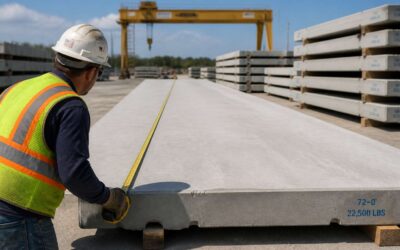
Typically, precast concrete drainage channels are manufactured in standard lengths—most often 1.5 meters, with widths ranging from 150 mm to 600 mm, and depths up to 300 mm. However, customization is key, and some projects may require specific sizes. To simplify selection, many manufacturers provide detailed specifications, including load ratings and surface finishes, ensuring each channel meets rigorous safety and performance standards.
Here’s a quick overview of the most common dimensions:
- Length: 1.5 meters
- Width: 150 mm to 600 mm
- Depth: up to 300 mm
This standardization not only accelerates installation but also guarantees compatibility across diverse construction projects, making precast concrete drainage channels the backbone of modern infrastructure in South Africa’s evolving urban spaces.
Load-bearing Capacity and Strength
The backbone of resilient urban infrastructure hinges on the load-bearing capacity and strength of precast concrete drainage channels. These channels are designed with meticulous precision to withstand South Africa’s varied climate and heavy rainfall fluctuations. Their structural integrity ensures that they remain durable under the relentless pressure of flowing water, pedestrian traffic, and even vehicular loads.
Engineers evaluate several key specifications to optimize performance. Load ratings are one crucial aspect, determining whether a precast concrete drainage channel can bear light foot traffic or heavy-duty vehicle passage. The surface finish also plays a pivotal role—smooth surfaces reduce debris accumulation and facilitate effortless water flow. In some instances, channels are reinforced with high-yield steel or specialized aggregates to further bolster strength and longevity.
For projects requiring tailored solutions, manufacturers often offer customizable features. This includes stronger load ratings for industrial zones or enhanced resistance to chemical exposure in wastewater applications. Ultimately, the meticulous specifications ensure each precast concrete drainage channel not only performs reliably but also upholds safety standards—vital for South Africa’s infrastructural evolution.
Jointing and Connection Methods
Design and specifications of precast concrete drainage channels are crafted with both functionality and longevity in mind. Every joint and connection point is meticulously engineered to ensure a seamless and secure fit, which is vital for maintaining strength and durability on South Africa’s diverse terrains. The connection methods typically involve interlocking systems or robust mechanical fasteners, providing a resilient link that can withstand heavy water flow and mechanical stress.
The use of innovative jointing techniques enhances the overall structural integrity of precast concrete drainage channels, minimizing potential leakages or displacements. For specialized projects, manufacturers often incorporate high-performance sealing systems or flexible connectors that absorb ground movements and temperature fluctuations. Such customizations extend the lifespan of these channels, making them an ideal choice for urban infrastructure and rural waterways alike.
When selecting precast concrete drainage channels, considerations around jointing and connection methods are crucial. These elements determine how effectively the system channels water, resists environmental wear, and integrates with existing structures—ensuring the success of each project from the initial installation to years of maintenance-free operation.
Customization Options
Within the realm of precast concrete drainage channels, design and specifications are crafted with an almost enchanted precision—each element tailored to withstand South Africa’s diverse environmental tapestry. Customization options abound, allowing engineers and architects to elevate these channels beyond mere infrastructure, transforming them into resilient conduits that blend seamlessly into urban landscapes or rural corridors alike.
One of the most compelling aspects of these drainage channels is their adaptability. Manufacturers offer a vast array of finishes, lengths, and cross-sectional profiles, ensuring each project’s unique demands are met with finesse. For instance, specialized coatings or textures can be applied to enhance resistance against chemical exposure or abrasion, extending the lifespan of the channels significantly. Custom features such as integrated grates, inlet and outlet configurations, or embedded sensor slots further exemplify the versatility inherent in precast concrete drainage channels.
Embracing innovation, some designs incorporate modular jointing systems or flexible connection points, facilitating ease of installation and future upgrades. This modularity unlocks a world of possibilities—from incorporating drainage channels that beat the harsher elements of heavy stormwater flow to creating seamless transitions within complex urban sewer networks. To categorize these customization options more clearly, here are some key features often utilized:
- Varied cross-sectional shapes for optimal water flow
- Enhanced sealing systems to prevent leaks
- Textured surfaces for added friction and safety
- Embedded fixtures for access and maintenance
Every specification in the design phase serves as a cornerstone, ensuring the final precast concrete drainage channels not only perform flawlessly but also stand as monuments of durable craftsmanship. This meticulous level of detail guarantees that each channel is a testament to resilience, tailored perfectly for the sprawling and unpredictable terrains of South Africa.
Standards and Compliance
Within the realm of precast concrete drainage channels, the design and specifications are the silent architects of resilience, melding form and function into a seamless continuum. Every facet—from the choice of finishes to the cross-sectional contours—is dictated by rigorous standards that ensure unwavering compliance with South Africa’s infrastructural mandates. These channels are meticulously crafted to endure the duress of the nation’s diverse climates, from arid deserts to monsoon-prone coastal regions, demonstrating that compliance and durability are symbiotic in these engineered marvels.
Adherence to standards such as SANS 1200 or relevant Eurocode benchmarks guarantees that each precast concrete drainage channel not only meets but exceeds performance expectations under heavy load or corrosive environments. The specifications often include detailed parameters for water flow capacity, joint sealing integrity, and surface texture, each selected to optimize safety and longevity.
Furthermore, customization reaches beyond mere aesthetic considerations; it encompasses an array of internal and external configurations designed to approximate the natural cadence of South African hydrological demands. One might encounter varying cross-sectional shapes—rectangular, trapezoidal, or circular—each tailored to ensure optimal water flow while seamlessly integrating with urban or rural landscapes. To elevate their functionality, many models incorporate features such as embedded fixtures for maintenance access, enhanced sealing systems to prevent leaks, and textured surfaces for added friction, bolstering user safety and operational excellence.
- Integration of modular jointing systems facilitates swift installation and future scalability.
- Flexible connection points provide adaptability within complex drainage networks, accommodating site-specific needs with ease.
- Specialized coatings enhance resistance to chemical exposure, prolonging lifecycle amidst South Africa’s varied environmental challenges.
Every design nuance of precast concrete drainage channels is a testament to meticulous craftsmanship, underpinned by unwavering standards—crafted to withstand the relentless forces of nature and human activity alike. In this, lies the profound harmony between engineering precision and environmental resilience, vital for South Africa’s variegated landscape.
Installation and Maintenance of Precast Concrete Drainage Channels
Installation Procedures and Best Practices
In a landscape increasingly shaped by the relentless demands of urbanization, the installation and maintenance of precast concrete drainage channels become an essential foundation for sustainable infrastructure. Studies indicate that proper installation can extend the lifespan of these channels by decades, safeguarding communities from the devastating effects of poor water management. When embarking on the installation process, precision and adherence to established procedures are paramount, ensuring that each element integrates seamlessly into the existing framework.
Best practices dictate that the site must be meticulously prepared—grading and compaction lay the groundwork for stability. Reinforcing bedding and accurate alignment are fundamental to prevent future subsidence or displacement. During assembly, connection methods such as joint sealing or locking systems guarantee a leak-proof and durable system. Regular maintenance—including inspections for cracking, blockages, or joint deterioration—preserves the integrity of precast concrete drainage channels and minimizes costly repairs. Incorporating these procedures turns a functional system into a resilient artery of urban life, especially when every detail is monitored carefully.
Site Preparation Requirements
In the realm of sustainable infrastructure, the meticulous preparation of the site is nothing short of an art form—an intricate dance where earth and engineering intertwine. For precast concrete drainage channels to stand resilient against the relentless march of time, every layer beneath must be carefully orchestrated. Proper site preparation fosters a solid foundation, truly the bedrock of longevity and performance.
Ensuring the groundwork is flawlessly graded and thoroughly compacted creates a landscape primed for installation. This not only prevents future subsidence but also anchors the precast concrete drainage channels securely into the earth’s embrace. Often, a reinforced bedding—composed of gravel, sand, or a specially engineered mix—is laid with precision, serving as both cushion and stabilizer. To guarantee alignment and prevent leakage, connection methods such as joint sealing or locking systems act as the vital links in the chain of durability.
When embarking on the installation journey, consider these critical site preparation requirements:
- Clear and level the terrain to facilitate even placement.
- Implement gravel or sand bedding for added stability.
- Ensure proper compaction to eliminate future settlement.
- Use alignment tools for precision in positioning each channel.
Through sincere attention to these details, the deployment of precast concrete drainage channels transforms from mere assembly into a symphony of structural integrity, designed to withstand the ravages of time and the caprices of weather. The harmony of preparation and execution ensures that these channels act as steadfast arteries—draining, directing, and sustaining urban life with silent strength!
Maintenance Tips and Durability
Once installed, the true test of precast concrete drainage channels begins—lasting decades against the elements’ relentless assault. Proper maintenance is the secret to preserving their structural integrity and ensuring they function flawlessly. Regular inspections reveal early signs of wear, cracks, or blockages that could threaten their durability over time.
To keep these channels in peak condition, simple yet deliberate upkeep goes a long way. Clearing debris, leaves, and sediment prevents blockages while checking connection joints guarantees water flows seamlessly from one segment to another. A proactive approach minimizes costly repairs and extends the lifespan of the entire drainage system.
Maintenance tips for precast concrete drainage channels include:
- Routine cleaning of surface and internal channels to remove obliterating debris.
- Scheduling inspections after heavy rains to identify any damage or displacement.
- Applying joint sealants if leaks or gaps are detected to maintain watertight integrity.
- Ensuring proper drainage slopes to facilitate quick water runoff and prevent pooling.
Because these channels are engineered for strength, their durability largely depends on how diligently they are cared for—each visit ensuring they continue to act as silent guardians of urban infrastructure’s vitality.
Troubleshooting Common Issues
The seamless flow of urban life often rests on the quiet strength of precast concrete drainage channels—those unassuming guardians that stand resilient against nature’s relentless rhythm. When installing these channels, meticulous attention to detail transforms a routine task into a work of craftsmanship. Site preparation must be precise, ensuring a stable foundation where each segment interlocks like a puzzle, promising decades of unwavering performance.
Troubleshooting common issues with precast concrete drainage channels is an art in itself. Cracks or displacements can sometimes surface—testament to the treacherous dance between water and the elements. In such cases, inspecting connection joints becomes paramount. Regular checks reveal early signs of wear, enabling swift intervention. Applying joint sealants in response to leaks sustains the watertight integrity essential for efficient drainage. Moreover, addressing blockages caused by debris is effortless when routine cleaning is integrated into maintenance—an act of proactive care that preserves the system’s vitality.
- Observe and assess post-heavy rain to identify any displacement or damage promptly.
- Ensure the slope of the channels directs water swiftly, preventing pooling and erosion.
- Fix minor leaks with appropriate joint sealants to avoid escalation into more significant issues.
The beauty of precast concrete drainage channels lies in their robust design coupled with conscientious upkeep. When properly installed and diligently maintained, they transform from mere infrastructure components into enduring conduits of urban resilience—a testament to engineering mastery in harmony with nature’s enduring forces.
Safety Considerations
Installing precast concrete drainage channels isn’t just about dropping giant concrete blocks into place; it’s about creating a resilient grid that keeps urban life flowing smoother than a South African safari river. Safety during installation is paramount—and surprisingly entertaining! Proper lifting techniques, using the right equipment, and ensuring workers wear protective gear turn what could be chaos into a choreographed ballet of precision and care.
Maintenance crafts its own kind of artistry, ensuring these sturdy channels perform tirelessly for decades. Routine checks for displacement or cracks, especially after heavy rains, are vital. For added efficiency, consider implementing a simple inspection schedule:
- Check joint seals for leaks
- Clear debris from the channel surface
- Assess the slope to prevent water pooling
Remember, safety isn’t just a buzzword. When handling precast concrete drainage channels, using appropriate lifting techniques and working within established safety standards reduces risks. Properly maintained, these channels become the unsung heroes of urban resilience—guardians that stand tall against the relentless march of water and time!
Choosing the Right Precast Concrete Drainage Channel Provider
Factors to Consider
Choosing the right provider of precast concrete drainage channels is no trivial pursuit; it’s a quest rooted in trust and craftsmanship, especially in the rugged landscapes of South Africa. When the dry season’s drought and the flash floods of summer threaten your infrastructure, only a supplier with a reputation for durability and precision will suffice.
A contemplative eye must consider factors such as the provider’s adherence to local standards and their mastery of bespoke customization options. Intriguingly, the strength and longevity of precast concrete drainage channels hinge on meticulous manufacturing processes and reputable quality assurance measures.
An excellent provider will not only deliver in terms of product reliability but will also guide you through installation nuances, ensuring your structures withstand nature’s merciless temperament. Remember, the true measure of a precast concrete drainage channel provider lies in their ability to blend durability with adaptability amidst South Africa’s unpredictable terrains.
Quality Certifications and Standards
In the labyrinthine world of infrastructure, where resilience is the silent sentinel against nature’s fury, choosing a provider with the right credentials is paramount. The integrity of your precast concrete drainage channels can transform from fragile whispers into everlasting bulwarks when sourced from a supplier bearing formidable quality certifications and standards. South Africa’s rugged terrain demands nothing less than adherence to strict compliance, where every joint and seam must embody strength and precision.
Reputable manufacturers pride themselves on meticulous quality assurance processes — an invisible armor that guarantees long-term durability. When seeking the ideal partner, consider those accredited by local and international bodies such as the South African Bureau of Standards (SABS) or ISO certifications. These marks of excellence transcend mere formality; they are the testament to craftsmanship forged in standards and accountability.
For your peace of mind, request a detailed dossier of quality certifications and compliance records. Remember that a true specialist in precast concrete drainage channels not only adheres to these standards but also offers bespoke customization options, aligning the product seamlessly with your project’s unique demands.
Cost and Budgeting
In the bustling world of civil engineering and infrastructure, selecting the right provider for precast concrete drainage channels can spell the difference between fleeting success and enduring resilience. Cost considerations often come to the forefront, yet the true value lies in balancing budget constraints with unwavering quality. A provider that offers competitive pricing without compromising on craftsmanship is the key to a project’s long-term sustainability.
When budgeting for precast concrete drainage channels, it’s vital to factor in not only the initial purchase price but also installation, maintenance, and lifespan. Remember, cheaper options might lead to higher costs down the line due to durability issues or subpar jointing methods. To navigate this, consider providers who offer transparent quotes and flexible options tailored to South Africa’s demanding terrain.
An effective way to ensure value is to evaluate providers based on their track record, customer testimonials, and range of customization solutions. Remember, investing in high-quality precast concrete drainage channels may initially seem steep, but the longevity and performance delivered make it a wise choice. Prioritizing quality and tailored solutions often emerges as the most cost-efficient path in the complex realm of infrastructure development.
Lead Times and Delivery
In the unpredictable world of infrastructure projects, lead times and delivery schedules for precast concrete drainage channels can be make-or-break. Waiting on suppliers who promise the world but deliver in a theatrical delay is a surefire way to turn your well-laid plans into a muddy mess. Timely delivery isn’t just a matter of convenience—it’s critical to keeping your project on track and within budget. Efficient lead times ensure that precast concrete drainage channels arrive ready for installation, cutting down costly on-site delays and unnecessary frustrations.
Choosing a provider with reliable delivery schedules means factoring in their logistical prowess and inventory management. Some companies boast impressive lead times thanks to local manufacturing facilities, making a significant difference in South Africa’s demanding terrain. When vetting your options, consider asking about their delivery flexibility and stock availability to avoid surprises during the critical project phases. Remember, a well-stocked supplier that understands the urgency of precast concrete drainage channels is like a trusted pit crew—ready to keep your project racing smoothly from start to finish.
Customer Support and After-sales Service
Choosing the right provider for precast concrete drainage channels is crucial to the success of your project. Customer support and after-sales service often get overlooked but are key indicators of a dependable supplier. A supplier that offers prompt assistance, clear communication, and reliable after-sales support can save you time and money in the long run.
Look for a company that understands the urgency of infrastructure projects. Quick response times and knowledgeable staff help resolve issues swiftly, ensuring your construction schedule stays on track. Additionally, a supplier that provides comprehensive after-sales service—such as installation guidance, maintenance advice, and warranty support—builds trust and confidence.
Some providers distinguish themselves by offering tailored solutions or flexible service options. This adaptability ensures that your specific requirements for precast concrete drainage channels are met without unnecessary delays or compromises. Remember, a well-supported supplier is like an extension of your team—focused on delivering quality and keeping your project running smoothly.
0 Comments