
Understanding the composition and aesthetics of veneer panels
Material science and mixes
As a designer once said, ‘A veneer is a memory of stone you can touch’—and that memory starts in the mix. Understanding the composition of precast concrete veneer panels means watching cementitious binders, aggregates, pigments, and finishing systems shape colour, texture, and durability.
Common components include cementitious binders with pozzolanic additives, granular aggregates for texture and shade, integral pigments for long-lasting hue, polymer modifiers for bonding, and moisture-resistant sealants.
Texture and finish define aesthetics in SA climates. A smooth satin or weathered stone look can be cast into panels that mimic natural materials while resisting harsh sun and humidity. The result is a confident, quiet elegance for these panels!
Surface textures and color options
Texture is memory you can touch, a designer once whispered, and precast concrete veneer panels allow that memory to play across light and shadow. In SA climates, colour and surface are more than aesthetic—they are resilience. Finishes shape weathering; texture invites the eye to linger, turning a façade into a narrative of sun, humidity, and craft.
Surface textures offer tactile nuance; options include:
- Smooth satin veneer finish for refined modernity
- Bush-hammered for rugged stone essence
- Weathered stone texture that echoes ancient walls
Colour is not mere pigment but a conversation with light. Integral pigments lock hue into the matrix, while finishing systems deliver moisture resistance and enduring finish. For the South African palate, warm and cool tones mirror landscapes, and the result is a calm, confident face for these veneer panels.
Durability and performance
Across South Africa’s varied horizons, façades speak volumes about resilience. Understanding the composition and aesthetics of veneer panels means seeing a careful balance: an outer veneer that captures texture and hue, a precisely cast backing that bears loads, and joints designed to breathe with the climate. When these elements align, precast concrete veneer panels reveal a quiet, enduring craft that ages with sun and rain rather than fading into memory.
Durability and performance come from how a panel handles heat, moisture, and movement over decades. Factory-controlled mixing, proper curing, and well-sealed finishes keep colour stable and crack resistance reliable for South Africa’s harsh sun. The result is a façade with tactful texture and confident colour that maintains its character while the landscape changes around it.
Sustainability considerations
In South Africa’s climate, the facade is both shelter and statement. Some studies suggest the building envelope accounts for up to 60% of energy use in hot conditions, making veneer choices a climate decision, not just a look. That context frames how we approach precast concrete veneer panels.
Understanding the composition and aesthetics means seeing more than texture. An outer veneer that captures hue, a precisely cast backing that carries loads, and joints that breathe with the climate work in concert. The result is a surface that reads as intentional architecture and ages with the city.
- Local manufacture reduces transport emissions
- Durable, low-maintenance finishes
- Low-VOC sealants and water-based coatings
- Recyclability or reuse at end of life
From a sustainability lens, consider embodied energy, transport distance, and end-of-life options when selecting precast concrete veneer panels. These factors ensure the façade stays relevant—and responsible—as the landscape changes.
Manufacturing process and quality control
Precasting and mold technology
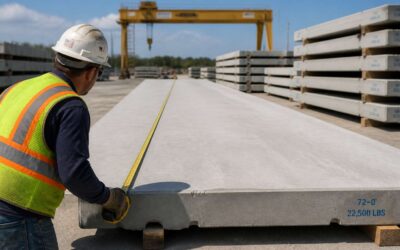
In controlled precast plants, precision reduces on-site waste by up to 30%. The manufacturing process for precast concrete veneer panels hinges on engineered molds and meticulous quality checks that translate design intent into consistent, durable façades. With factory casting, thickness, joints, and alignment stay within tight tolerances, supporting reliable performance across South Africa’s varied climates.
That precise workflow informs every batch of precast concrete veneer panels. Precasting and mold technology underpin repeatable geometry and reliable jointing for precast concrete veneer panels, while curing and inspection protocols guard against defects before they ever leave the plant.
- Calibrated molds and release agents tailored to panel geometry
- Controlled casting, vibration, and consolidation to minimize air voids
- Humidity- and temperature-controlled curing to stabilize strength and colour
- Inline dimensional and tolerance checks to catch deviations early
This ensures consistent aesthetics and performance across SA.
Curing methods and strength development
Factories that cast precast concrete veneer panels don’t merely pour and walk away—they choreograph a precise dance of cement, aggregates, and form. In South Africa’s varied climates, the manufacturing process is tuned for repeatable geometry and predictable strength—batch after batch. Defects are caught early, up to 98% in some plants.
Quality control is built into the workflow, not tacked on at the end. The plant tracks every panel with a robust QA trail, schedules independent tests at milestones, and captures real-time data on moisture, temperature, and vibration during casting.
- QA trail and traceability codes
- Milestone independent testing
- Real-time sensor data on moisture and temperature
During curing, humidity-controlled environments and targeted aging cycles stabilize strength and colour without warping the veneer. This maturity process ensures precast concrete veneer panels meet target compressive strength and dimensional stability across SA’s climate extremes, delivering consistent aesthetics and performance.
Quality assurance and standards
Across South Africa’s precast production floors, precision is the quiet conductor. Each batch rehearses a choreography of cement, aggregates, and form, tuned to climate and geometry. Some plants report defect detection as high as 98% before a panel leaves the line, turning flaws into teachable moments. The outcome is more than strength; it is a guarantee that precast concrete veneer panels stay true to their dimensions and looks under SA’s extremes.
- Traceability that maps a panel to its casting history
- Independent milestone testing to verify strength and tolerances
- Live data capture for moisture, temperature, and vibration
Quality assurance and standards are woven into the workflow rather than appended at the end. This is where discipline meets craft, ensuring each run of precast concrete veneer panels adheres to tight tolerances South Africa’s builders demand.
Cosmetic checks and defect reduction
On the shop floor, precision is a quiet conductor. In SA workshops, 98% of panels pass cosmetic evaluation before leaving the line, turning potential flaws into lessons in craft.
Manufacturing process and quality are a single breath. Mold setup, compaction, moisture control, and tailored curing guide each run—while cosmetic checks and defect reduction sit at the core rather than the end.
- In-process cosmetic and dimensional checks to catch deviations early
- Independent milestone testing to verify appearance and fit
- Live data capture for moisture, temperature, and vibration to reveal trends
These measures keep precast concrete veneer panels true to their dimensions and appearance across SA’s extremes—an alloy of discipline and craft, yielding beauty that lasts.
Lead times and scalability
Fast, reliable delivery is not luck; it’s a system. In a South African precast shop, real-time data and disciplined scheduling can trim lead times by up to 30%, a difference that lets precast concrete veneer panels move from line to site with quiet confidence.
Manufacturing process and quality control for these panels hinge on synchronized lines and repeatable workflows. The focus is on production rhythm, line configuration, and fast changeovers that preserve dimensional integrity while scaling output.
- Standardized production cells that reduce setup times
- Just-in-time material flows and supplier integration
- Predictive maintenance and process analytics to prevent downtime
Scaled operations are built on modular capacity and rigorous traceability, enabling broader installations without sacrificing appearance or fit. For precast concrete veneer panels, scalable, quality-driven manufacturing is the quiet backbone.
Installation, integration, and application
Site preparation and handling
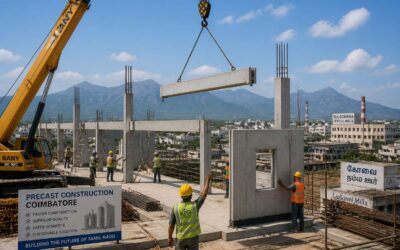
Across South Africa’s fast-track developments, precast concrete veneer panels are changing the rhythm of build-outs. A precise dance of factory fabrication and on-site assembly delivers walls that align with uncanny accuracy, trimming rework and weather delays. The result is a façade that feels rooted in place yet light on the eye.
Installation, integration, and application hinge on clean interfaces with insulation, waterproofing, and existing structures. Panels are engineered to mesh with the structural frame, flashing details, and architectural features, yielding a seamless exterior that resists the sun and rain while maintaining colour and texture—precast concrete veneer panels.
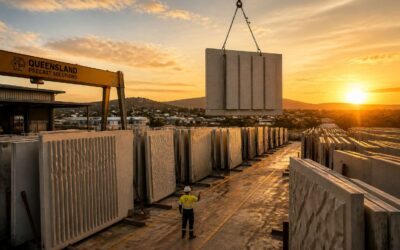
Site preparation and handling demand calm, deliberate planning: protect components from damage, manage moisture exposure, and ensure gentle transport and storage. When guided by local standards, these assemblies offer enduring performance and a restrained, authentic finish that speaks to South Africa’s climate and daylight.
Attachment systems and methods
Industry data show up to 40% faster installation when precast concrete veneer panels are paired with precise install sequences. In the field, installation, integration, and application rest on clean interfaces with insulation, waterproofing, and the structural frame. Our panels are engineered to mesh with flashing details and architectural features, yielding a seamless exterior that withstands sun and rain while keeping colour and texture steady.
To balance speed with durability, consider these attachment systems and methods:
- Concealed clip systems that hide fasteners and preserve clean lines
- Through-bolted anchors into a compatible subframe for robust support
- Sealant pockets and gaskets to absorb movement and seal the joints
As the panels settle, the interface becomes a poem of precision—weatherproof, scalable, and quietly enduring.
Substrate compatibility and weatherproofing
Across South Africa’s climate spectrum, installation cadence matters as much as design. When sequences are precise, teams report up to 40% faster work, reducing on-site disruptions and weather exposure. This section celebrates installation, integration, and application—anchored by clean interfaces among insulation, waterproofing, and the structural frame. The right pairing of components with precast concrete veneer panels yields a facade that breathes with the building while resisting sun and rain.
- Thermal expansion and contraction of the substrate
- Moisture management and proper vapor barriers
- Precise subframe positioning to keep lines true
Substrate compatibility is the quiet backbone of performance. Our panels are engineered to mesh with common substrates without compromising weatherproofing. Consider these alignment touchpoints:
Weatherproofing rests on proactive detailing—flashing, seals, and gaskets that work with movement. When installation, integration, and application align, the exterior remains consistent, durable, and elegantly simple, season after season.
Maintenance and lifecycle considerations
Factories and job sites across South Africa prove that installation cadence matters as much as design—teams report 40% faster work when sequences align, reducing weather exposure! That momentum carries into installation, integration, and application. With careful planning, precast concrete veneer panels fit a facade that breaths with the building and holds back sun and rain. On site, alignment between insulation, waterproofing, and the structural frame is less a move and more a conversation, ensuring clean interfaces and predictable lines.
Maintenance and lifecycle considerations take over once the build is handed over. We plan for long-term durability, simple refurbishments, and straightforward replacement options should any panel require attention. The resulting facade remains legible—colour, texture, and form—through decades, expanding the building’s value while staying faithful to design intent.
Cost, procurement, and sustainability
Material costs and labor considerations
Sunlight on a well-placed daylight façade has a way of rewriting a skyline! ‘We build with time in mind and waste out of sight,’ a project director often notes, and precast concrete veneer panels make that philosophy tangible. Their crisp edges and quiet strength add character to urban South African environments.
Cost considerations hinge on hidden variables: material costs, transport distances, and skilled labor. Off-site fabrication cuts on-site labor, accelerates schedules, and reduces weather-related risk. Procurement benefits from stable pricing through bulk orders and long-term partnerships, while inventory planning keeps cash flow healthy.
- Local fabrication partners
- Volume buys and fixed-price contracts
- Integrated scheduling with site readiness
From a sustainability lens, precast concrete veneer panels offer longevity and recyclability. Reuse of forms, reduced waste, and the potential for recycled aggregates contribute to lower embodied energy over the building’s life. Transport efficiency and durability align with South Africa’s push for greener, smarter construction.
Lifecycle cost comparison with traditional cladding
In South Africa’s sunlit cities, the façade that endures is the one that pays for itself again and again. Lifecycle analyses often show maintenance costs for precast concrete veneer panels are typically 25–30% lower over 30 years than traditional cladding, thanks to durable finishes and weather resistance.
On the procurement side, a streamlined supply chain keeps cash flow healthy—stable pricing through selective partners, bulk buys, and predictable lead times translate to fewer budget surprises. The factory-based production minimizes on-site labor and weather downtime, shortening construction windows and reducing costs.
From a sustainability lens, these panels lend longevity and recyclability to the build. They support lower embodied energy across the life cycle, with options for recycled aggregates, reused forms, and efficient transport—aligning with South Africa’s greener building ambitions.
Environmental impact and recycled content
South Africa’s sun-baked cities demand more than an eye-catching facade—it must endure and pay for itself year after year. I’ve seen precast concrete veneer panels do just that, marrying striking texture with weather-smart resilience. The result is a breathable balance of curb appeal and long-term cost efficiency.
On the procurement side, a streamlined supply chain keeps cash flow steady. Selective partners, bulk purchases, and predictable lead times translate to fewer budget surprises. Consider these levers:
- Stable pricing through selective partners
- Bulk buys for better unit costs
- Predictable lead times to reduce cash-flow shocks
From a sustainability lens, these precast concrete veneer panels offer longevity and recyclability. They curb embodied energy across the life cycle, with options for recycled aggregates, reused forms, and efficient transport—aligning with South Africa’s greener building ambitions. Environmental impact and recycled content are hardest to beat when performance meets responsibility.
Vendor selection and procurement strategies
City skylines pulse with ambition, and the cost of a misjudged façade can haunt a project for decades. When I see precast concrete veneer panels bridging texture with weather resilience, I hear architecture speaking—enduring performance that pays for itself over time. In South Africa’s sun-baked cities, these panels deliver durable curb appeal that stays efficient year after year.
Cost considerations flow through procurement as surely as through design. A streamlined supply chain keeps cash flow steady and reduces surprises. Consider these levers:
- Stable pricing through selective partners
- Bulk buys for better unit costs
- Predictable lead times to reduce cash-flow shocks
From a sustainability lens, options offered by modern precasting provide longevity and recyclability. They curb embodied energy across the life cycle, with options for recycled aggregates, reused forms, and efficient transport—aligning with South Africa’s greener building ambitions. Environmental impact and recycled content are hardest to beat when performance meets responsibility.
Vendor selection and procurement strategies hinge on local conditions. Seek partners with consistent QA, transparent supply chains, and warranties that mirror the project’s resilience needs. Collaboration with SA-based manufacturers can simplify logistics, support local employment, and keep air and road miles in check.
Code compliance and warranties
The façade writes the first impression of a city’s ambition, and cost clarity is its quiet engine! With precast concrete veneer panels, a disciplined procurement approach keeps budgets honest and schedules intact. Aligning with dependable partners stabilizes pricing and streamlines lead times, reducing cash-flow shocks across the project timeline. Every production decision—from formwork reuse to transport efficiency—adds durable value that pays back year after year.
- Consistent QA and performance testing
- Transparent, traceable supply chains
- Warranties that reflect the project’s resilience goals
From a sustainability lens, these panels offer longevity with lower embodied energy when designed for recycled aggregates and efficient transport. They align with South Africa’s green building ambitions, and their end‑of‑life recyclability reduces long-term waste. Code compliance and warranties anchor risk, aligning with SANS standards and fire performance expectations so that beauty endures with safety.
0 Comments