
Overview of precast concrete floors
Definition and key features of precast concrete floors
Consider this: what are precast concrete floors? They are factory-made slabs poured and cured off-site, then craned into place, refocusing a project’s tempo from chaos to choreography. A South African contractor once quipped, “Give me precast and I’ll hand you a floor that respects deadlines.” The line captures a sober truth: precision and timeliness in one system.
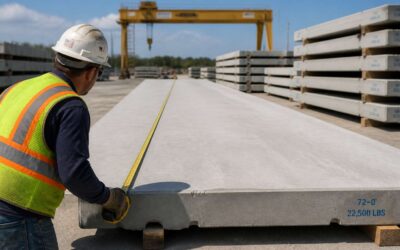
Defined as panels or planks manufactured in a controlled environment, precast floors offer consistent quality, tight tolerances, and predictable performance. They enable integrated services, reduce on-site formwork, lower noise, and improve safety. With fire resistance and thermal mass, these floors create durable, comfortable spaces.
Here are key features that stand out:
- Factory-controlled production for consistent quality
- Faster installation and reduced site disruption
- Flexible layouts and clean service integration
- Durability, low maintenance and long floor life
In South Africa, this combination is reshaping how warehouses, retail, and residential spaces go up without the usual site drama.
Major types of precast floor systems
Across South Africa’s bustling sites, what are precast concrete floors? They’re factory-made slabs poured and cured off-site, then craned into place, turning chaos into choreography. As one contractor puts it, “When you lock the schedule, you lock the future.” This approach brings dependable quality, precise tolerances, and a calm rhythm to warehouses, retail, and homes right here in South Africa.
Major types of precast floor systems for fast-tracked projects include:
- Hollow-core slabs
- Double-tee systems
- Ribbed and planked slabs
- Solid precast panels
Each system brings tailored benefits: faster installation, clean service integration, and predictable performance that supports modular layouts without on-site formwork clutter. In South Africa’s warehouses and housing developments, these choices shape how spaces breathe and function, with a human touch that respects the land and the labour behind every build.
How precast differs from traditional poured-in-place floors
Timelines don’t bend; precast floors bend time. So, what are precast concrete floors, and how do they differ from traditional poured-in-place slabs? They are factory-made slabs cast and cured off-site, then craned into position, bringing a quiet certainty to South Africa’s busy sites. The result is tighter tolerances, less on-site formwork, and a rhythm that respects both craft and climate.
Here’s how they stand apart from poured-in-place floors:
- Factory production allows controlled curing, delivering uniform strength and straight edges.
- On-site installation is quicker, with fewer disruptions to services and other trades.
- Waste, noise, and emissions are reduced, supporting safer, more sustainable builds.
In warehouses, retail centres, and homes across South Africa, choosing precast floors becomes a humane decision—one that holds the line on time while honoring the workers who raise the ceilings and shape the spaces we call work and home.
Typical applications and best-use scenarios
Time is the real material of construction, and on South Africa’s busy sites, that truth cuts straight to the bone. What are precast concrete floors if not a disciplined answer to delay, weather, and logistics? They are factory-cast slabs cured off-site, then craned into place, bringing a quiet certainty to high-speed builds.
Precast floors offer controllable production, tighter tolerances, and cleaner interfaces with services—corners stay true, edges stay straight, and on-site formwork fades into history. They suit spaces that want continuous, resilient floors without sacrificing finish quality across South Africa’s varied climates.
Typical applications and best-use scenarios include:
- Warehouses and distribution hubs needing rapid commissioning
- Retail centres where layout integrity matters for long-term footfall
- Multi-storey residential and office blocks demanding clean, precise slabs
In every case, what are precast concrete floors becomes a question of rhythm—time saved, craft preserved, climate respected.
Common materials and components used in precast floor systems
On South Africa’s busiest sites, time is the real material of construction—scarce, valuable, and relentlessly squeezed from every corner. the answer to what are precast concrete floors lies in discipline: factory-cast slabs cured off-site, then craned into place, turning weather, fatigue, and logistics into a reliable cadence. They carry the quiet confidence of controlled production and predictable commissioning, even when hail rattles the roof or a heatwave dulls the afternoon.
Overview of these floors is simple yet precise: they deliver continuous, level surfaces with tight tolerances, clean interfaces for services, and minimal on-site formwork. In a South African climate with varied humidity and temperature, that consistency translates into fewer site surprises and faster handover to occupiers.
Common materials and components used in precast floor systems include:
- Reinforcement: conventional steel rebar or post-tensioning tendons
- Core architecture: hollow-core or solid slab sections for weight and insulative performance
- Jointing and connections: engineered interfaces to accommodate movement
- Finish layers: topping or wear surfaces tailored to traffic and climate
- Protective membranes and insulation: damp-proofing and thermal barriers for durability
Benefits, performance, and efficiency
Faster installation and reduced on-site labor
Among questions like what are precast concrete floors, the simple truth is that factory-made slabs bring precision, speed, and a calm, human-centered approach to building. Crafted in controlled environments, they arrive ready for faster installation, cutting weather delays and on-site disruption. In South Africa’s fast-paced market, efficiency isn’t a luxury—it’s a project anchor!
- Faster installation through modular components
- Reduced on-site labor and crane time
- Consistent quality and fewer weather-related delays
Performance is the quiet backbone: uniform load distribution, solid fire resistance, and dependable acoustic performance help buildings endure the long game. Precise joints and factory finishes reduce on-site punch lists, while the predictable quality translates into faster handovers and fewer costly surprises.
Efficiency extends beyond the slab: streamlined logistics, reduced waste, and shorter construction cycles cut embodied energy and project risk. In South Africa’s evolving built environment, that efficiency is a strategic advantage—speed without compromising safety or durability.
Quality control and consistent performance
South Africa’s weather can turn a five-day pour into a two-week saga. If you’re asking what are precast concrete floors, they’re factory-made slabs that arrive ready to install, bringing pinpoint accuracy and speed to the site. In a market where timing is everything, that reliability is project insurance.
Quality control and consistent performance aren’t optional; they’re engineered into every panel:
- Factory-controlled tolerances for every slab
- Repeatable surface finishes reducing on-site rework
- Traceable materials and documented loads for confidence
Performance is the quiet backbone: uniform load distribution, solid fire resistance, and dependable acoustics help buildings endure the long game. Precise joints and factory finishes mean fewer on-site punch lists and faster handovers.
Efficiency extends beyond the slab to logistics, waste reduction, and shorter construction cycles. In South Africa’s evolving built environment, precast floors provide speed without compromising safety or durability.
Durability and structural advantages
For what are precast concrete floors, the benefit is orchestration—factory precision that arrives ready to install. These slabs deliver consistent panel geometry, predictable surface quality, and a cleaner worksite, trimming weather delays and on-site rework. The result is a calmer, faster build with fewer surprises.
- Pinpoint geometry and repeatable finishes
- Cleaner, drier sites with reduced rework
- Quicker handovers and schedule certainty
Performance acts as the quiet backbone: uniform load paths, solid fire resistance, and dependable acoustics that help spaces endure the long game. Precise joints and factory finishes mean fewer punch lists and more confident progress.
Efficiency flows from factory to field: optimized logistics, less waste, and shorter construction cycles. Durability and structural advantages empower South African projects to span bold ideas with resilience and efficiency.
Environmental and lifecycle benefits
People often ask what are precast concrete floors, and the answer lies in factory precision that arrives ready to install. These slabs deliver pinpoint geometry, cleaner surface qualities, and far less weather-related rework—on some SA projects cutting on-site waste by as much as 40%—translating to calmer sites, faster handovers, and a predictable rhythm.
Performance serves as the quiet backbone: uniform load paths, robust fire resistance, and dependable acoustics. With precise joints and factory finishes, the build progresses with fewer punch lists and more confident coordination between teams.
Efficiency and lifecycle benefits emerge as the environmental story completes the picture. Reduced on-site waste, optimized logistics, and a longer service life lower embodied energy per square meter. End-of-life options are practical and extend the value of precast systems.
- Cleaner, drier sites with less rework
- Optimized transport and reduced waste
- Recyclable components and longer lifecycle value
Thermal and acoustic performance
Across South Africa, projects using precast concrete floors report up to 40% less on-site waste, smoother construction, and calmer sites that hand over faster. So, what are precast concrete floors? They are factory-made slabs that arrive ready to install, with pinpoint geometry and cleaner surface qualities that cut rework.
Performance is the quiet backbone, delivering thermal and acoustic performance alongside uniform load paths, robust fire resistance, and dependable acoustics. With precise joints and factory finishes, the build progresses with fewer punch lists and smoother coordination.
Efficiency and lifecycle benefits complete the picture: reduced on-site waste, optimized logistics, recyclable components, and longer service life.
- Cleaner, drier sites
- Optimized transport and reduced waste
- Recyclable components and longer lifecycle value
Design considerations and specifications
Load capacity, spans, and structural integration
Floor precision is the quiet engine behind every soaring beam. In South Africa’s evolving skylines, what are precast concrete floors if not a symphony of geometry and grit, cast off-site and then lifted into place? “The floor is the stage on which a building performs,” says a seasoned engineer.
- Load capacity planning and safety margins
- Span optimization to minimize joints and deflection
- Structural integration with columns, walls, and connection details
Additionally, planning for service runs, penetrations, and erection tolerances ensures panels slot together without compunction. This alignment with building information models helps guarantee that what are precast concrete floors deliver consistent results on site and in the long run.
Design options: joist, flat slab, hollow core, and planks
Design considerations for precast floors are a map drawn in flame: acoustics, fire rating, finish, and the quiet math of span and load. That begs the question: what are precast concrete floors in the hands of South Africa’s engineers, a craft of geometry and control, cast off-site and tuned for every lift and bolt? When weighing options, builders balance deflection, jointing, service access, and erection tolerances, with an eye toward seamless integration with columns and walls. In South Africa, builders report up to 40% faster assembly with precast floors on multi-storey projects, reflecting careful planning.
- joist systems for long spans with light decks
- flat slab for freedom of form and minimal formwork
- hollow core for services and reduced weight
- planks for rapid assembly and adjustable profiles
Each option aligns with design specifications—customizing thickness, reinforcement, and surface finishes to suit project goals while maintaining durability and on-site efficiency in South Africa’s evolving skyline.
Connections, anchors, and integration with other systems
South Africa’s evolving skyline demands precision, speed, and seamless integration. Answering what are precast concrete floors reveals factory-cast slabs that lock into the frame with embedded anchors, tuned for service access, and ready to travel from plant to plinth with minimal on-site fuss.
From on-site experience, design considerations focus on connections, anchors, and system integration.
- Embedded anchors, sleeves, and shear connections to columns and walls
- Precise lift points and joint detailing to accommodate MEP runs
Linking precast floor systems to other elements requires defined tolerances and alignment checks, ensuring smooth installation and future maintenance.
Code compliance, standards, and certifications
South Africa’s skyline isn’t just growing taller; it’s getting smarter. Design considerations for precast floors hinge on precision, tolerances, and seamless integration with the building frame.
In SA, understanding what are precast concrete floors helps teams map requirements. Factory-cast slabs lock into the frame via embedded anchors, yet design teams must align with local code compliance, standards, and certifications. That means meeting SANS standards and engaging third-party QA and material testing to verify performance and traceability; even concrete likes a good audit trail.
- Tolerances and alignment checks for MEP routing and future access
- Embedded anchors, sleeves, and connections specified in design documentation
- Comprehensive documentation: test reports, factory records, and compliance certificates
That disciplined approach keeps installation predictable and performance consistent across projects.
Aesthetic and finishing options for exposed surfaces
Over the past decade, precast floors have become the quiet backbone of South Africa’s skyscrapers. What are precast concrete floors is more than strength—it’s styling, control, and predictability. When planning finishes, tolerances, edge continuity, and frame integration guide every choice, from joint lines to surface texture. Exposed surfaces must balance slip resistance, light reflectance, and maintenance, while remaining compatible with MEP routing and future access.
- Exposed aggregate or honed textures for warmth and depth
- Smooth architectural finishes for contemporary spaces
- Broomed or brushed textures for anti-slip corridors
- Color and sealing options to control glare and maintenance needs
Final thoughts: finishes like these extend the life of precast floors, ensuring visuals stay vibrant without compromising serviceability over decades.
Installation, maintenance, and lifecycle
Site preparation, handling, and logistics
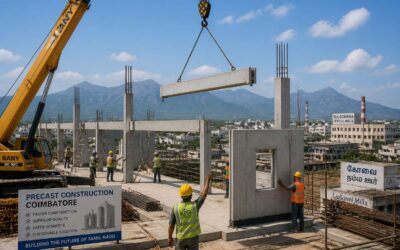
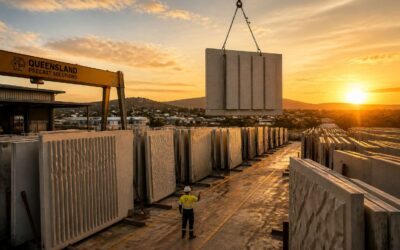
In a fast-moving build, the question isn’t whether precast can perform, but how smoothly you install it. So, what are precast concrete floors, really? They arrive as ready-to-lift panels, but installation hinges on solid site preparation and precise logistics. Plan access routes, crane call-off, and panel sequencing. On South African sites, protect against rain and wind during lifts and coordinate curing times with the already poured structures.
- Clear access and space for panels to land and be staged
- Accurate crane positions, rigging, and lift plans
- Sequencing of panels to align joints with services and finishing
Maintenance and lifecycle: after install, routine checks focus on joints and seals, surface care, and protection during use. Precast floors typically offer predictable long-term performance; expect reduced on-site downtime and easier future refurbishments due to modular nature. They settle into a steady rhythm, as if the concrete itself keeps the score.
Installation best practices and sequencing
During installation, precision is more than a virtue—it’s a doorway. We align panels to the crown of the building, map lift plans, and respect curing rhythms. If you ask what are precast concrete floors, think of them as engineered, ready-to-lift chapters waiting to settle into place.
After the last panel clunks into position, guardianship begins: monitor joints, keep seals intact, oversee surface wear, and shield against harsh weather during use. The modular nature promises predictable wear and easier future refurbishments.
From a long-view perspective, precast floors offer steady rhythm and lifecycle performance; they minimize downtime and simplify extensions.
Maintenance, durability, and repair strategies
In a building’s cadence, precision is the pulse. So, what are precast concrete floors? They are engineered, ready-to-lift panels designed to settle into place with quiet certainty and a storyteller’s grace.
After clunking into position, guardianship begins: monitor joints, keep seals intact, and shield surfaces from harsh weather. This discipline keeps the system predictable and eases future refurbishments.
- Regular joint and seal checks every season
- Protective finishes and gentle cleaning to curb wear
- Timely minor repairs to avoid bigger cracks
In the long arc, precast floors deliver enduring durability, simple lifecycle maintenance, and a quieter path to extensions.
Life-cycle costs, sustainability, and end-of-life considerations
In a market hungry for speed and quiet, what are precast concrete floors? They are factory-made panels that slot into place with minimal on-site fuss, slashing installation time and boosting safety. Once set, they offer predictable performance and lower long-term maintenance, while off-site fabrication curbs waste and disruption for tight urban builds across South Africa.
From a lifecycle view, upfront precision pays off in maintenance and durability. The modular, reusable nature keeps total costs sensible and aligns with SA’s sustainability goals. Consider these points:
- Lifecycle cost: reduced labour and simpler refurbishments
- End-of-life: salvage and material recovery in SA recycling streams
- Environmental impact: optimized mixes and lower transport footprint
As these floors age with the building, their quiet operation and minimal disruption continue to ease future extensions, supporting South Africa’s circular economy ambitions and responsible material stewardship.
0 Comments