
Overview of Precast Concrete Steps
What Are Precast Concrete Steps?
South Africa’s builders are discovering that precast concrete steps accelerate projects while elevating curb appeal. In a market where time is money, precast components routinely trim on-site labour and weather delays. The hot question—are precast concrete steps hollow? The answer isn’t a simple yes or no; designs vary, with hollow formwork or solid cores to suit drainage, insulation, and loading expectations.
What Are Precast Concrete Steps? These units are factory-made stair elements poured in durable concrete, cured under controlled conditions, and delivered ready to install. They come in various heights, nosings, and finishes, offering a consistent quality that makes a neat first impression on any entrance.
- Quality control through factory production
- Faster installation with minimal site mixing
- Reduced waste and weather-related delays
Hollow Core vs Solid Core: Key Differences
Across South Africa’s evolving entrances, architecture leans on precast elegance. I’ve watched entrances catch the morning light as concrete is poured and doors swing open. The question lingers in the workshop air: are precast concrete steps hollow? Designs vary, with hollow formwork or solid cores to suit drainage, insulation, and loading expectations.
Hollow cores can reduce weight and simplify handling on site, while offering drainage paths and occasional insulation. Yet they demand careful attention to loading and long-term wear, especially in humid climates.
- Lightweight assembly and faster erection
- Drainage channels and optional insulation
Solid cores offer higher loading capacity and enduring wear, trading some weight for steadfast performance under daily use. In practice, designers balance curb appeal with structural intent, choosing textures and finishes that heighten entryways without compromising safety.
Benefits of Hollow Designs in Steps
Curb appeal anchors South Africa’s entryways, and precast steps are part of the showroom. The question: are precast concrete steps hollow, or do solid cores hold the fort? It’s a bit of a riddle: hollow forms lighten the lift and keep water moving, while solid cores promise brute durability. The balance hinges on climate, load expectations, and the drama of a front door that ages gracefully.
- Lightweight assembly and easier on-site handling
- Drainage channels to prevent puddling and water damage
- Optional insulation paths for climate control
In SA’s varied climates, the hollow design can translate into faster erection without sacrificing aesthetics; it also invites textures and finishes that mask joints.
Common Applications and Settings
Front doors determine a home’s mood long before anyone steps inside. In South Africa, curb appeal isn’t vanity—it’s a practical welcome. The question—’are precast concrete steps hollow’—points to craft, climate compatibility, and the drama of durable surfaces that age gracefully.
Overview of Precast Concrete Steps Common Applications and Settings shows how these units serve entryways across South Africa—from domestic stoops to busy commercial lobbies. They cut on-site noise, speed installation, and offer texture that blends with brick, glass, or timber. Consider these regular contexts:
- Residential entry stairs and stoops for single homes, duplexes, and townhouses
- Commercial entrances, shopfronts, and apartment blocks
- Public buildings, campuses, hotels, and guest houses
In varied climates—coastal humidity, inland heat, and sudden downpours—the hollow aspects of precast steps support drainage and dry transitions, while textures hide joints and wear. The setting matters as much as the shape.
Construction Process Overview
Stairs are the prologue to a home’s story, and in South Africa, curb appeal is a practical courtesy. The entry sets the mood long before a visitor crosses the threshold, and I’ve learned a well-crafted step can outlast several doorframes in this climate.
Construction of precast steps is a choreography of factory precision and on-site finesse. The process starts with design and moulding, then reinforcement and hollow-core formwork, followed by a pour, cure, and meticulous quality checks. Surface finishing seals the look and resilience.
- Design and mould creation
- Reinforcement placement and hollow-core formwork
- Pour, cure, and quality check
- Surface finishing and joint treatment
And the perennial question—are precast concrete steps hollow—has a practical answer: hollow cores lighten weight, aid drainage, and simplify transport, which SA builders value when coastal and inland environments demand steady performance.
Safety Standards and Codes for Precast Steps
Stairs are the spine of a home’s choreography, and in South Africa, safety standards set the tempo from first footprint to final landing. The lingering question—are precast concrete steps hollow—has a practical answer that informs design, inspection, and trust.
From experience, safety standards for precast steps center on slip resistance, predictable load performance, and moisture control. Across SA towns, inspectors favour textured surfaces, proper drainage, and secure connections to landings and supports.
- Slip resistance and textured treads
- Solid load-bearing capacity
- Moisture management and corrosion resistance
- Secure joints and drainage for coastal sites
Even when hollow cores lighten weight, safety remains intact—design, manufacture, and installation harmonize to keep steps confident and durable.
Design and Engineering Considerations
Structural Hollow Core Design and Load Ratings
Stairs carry more than steps — they carry intention. When weight, climate, and budget collide, hollow-core precast systems deliver elegance with a lighter touch. In South Africa, on-site installation time often drops by up to a quarter with hollow-core designs. The practical question are precast concrete steps hollow informs early design reviews and sets expectations for performance.
Design and Engineering Considerations are anchored in hollow-core geometry, void placement, and reinforcement strategies that guide load paths. Structural Hollow Core Design and Load Ratings aim for predictable bending behavior, adequate shear capacity, and reliable long-term performance—even in high-traffic entrances and external stair enclosures common in SA projects.
- Hollow-core geometry and void placement for stiffness
- Load ratings and redundancy across typical traffic
- Interface with railings, landings, and coatings
Precision in manufacturing and careful detailing yield steps that endure with minimal maintenance, a small investment with outsized returns in the South African built environment.
Core Placement and Accessibility
The big question: are precast concrete steps hollow, and what does that mean for stiffness, installation speed, and long-term maintenance in South Africa’s climate? When core placement is done with intent, stairs shed weight without sacrificing performance. Accessibility considerations should guide every detail, from handrail clearances to landing dimensions, ensuring a smooth user experience under varying SA weather.
Design and engineering focus on core placement that optimizes load paths while keeping slip-resistant coatings and drainage in mind. Practical steps include placing voids to stiffen the rise without blind pockets, aligning cores with traffic zones, and ensuring edges can receive railings and coatings without clashes.
- Void placement that preserves edge strength for safety and longevity
- Alignment with landing zones and doorway thresholds
- Clear drainage and accessibility pathways that retain aesthetics
Result: predictable performance for high-traffic entrances and external stair enclosures, with a lighter footprint that suits South African contractors and budgets.
Waterproofing and Drainage Considerations
Every step carries a weather tale, and in South Africa that tale is written in sun, rain, and stubborn wind. “Every step tells a weather story,” a veteran builder says, reminding us that design must breathe with the climate.
The question, are precast concrete steps hollow, shapes our approach to waterproofing: continuous membranes, capillary breaks, and slip-resistant coatings that keep water from seeping into voids. Proper detailing ensures the hollow core contributes to performance rather than vulnerability.
Drainage is the other quiet partner. We shape steps with deliberate slopes and edge channels so water drains away from doors. Consider clean paths, avoid pockets, and align with railings.
- Edge protection for coatings
- Drainage outlets and cleanouts
- Maintenance access to voids
By treating waterproofing and drainage as design features, precast stair assemblies deliver predictable results for SA homes and businesses, where every footprint matters and the land remembers your effort.
Insulation and Thermal Performance
A surprising stat for South Africa’s homes: heat leaks through stair cores can account for up to 15% of annual energy loss when insulation is neglected. The perennial question, are precast concrete steps hollow, becomes a design compass for insulation and thermal performance. Designers weigh hollow cores against structural needs, acknowledging that cavities can either improve warmth retention or invite condensation if not properly detailed.
- Thermal breaks and continuous insulation paths through the core
- Insulation material choice and placement to minimize thermal bridging
- Moisture management and air control within voids to prevent damp
In our SA climate, the orchestra of mass, reflective finishes, and thoughtful detailing guides every stair. While hollow cores offer opportunities for thermal efficiency, coatings and edge detailing must work in harmony with the climate, keeping interiors comfortable without heavy-handed measures.
Code-Compliant Design Practices
Stairs aren’t merely a bridge to the upper floor; they’re climate-savvy components that should pass the test of SA building codes with flying colours. “are precast concrete steps hollow” is a design prompt, not a party trick; it nudges engineers toward cores that balance weight with heat and moisture control. Proper detailing—loads, connections, and edge conditions—translates into durable, comfortable stairs that cooperate with the home rather than battlegrounds with condensation.
- Code-aligned load-path verification and reinforcement detailing
- Moisture management within voids to prevent damp and mould
- Edge detailing and slip resistance tied to maintenance access
In practice, this design language blends mass, materials, and meticulous QA to deliver stairs that stand up to SA’s climate and codes.
Aesthetics and Finishes
Stairs in a home should feel like intimate architecture—solid, lyrical, and climate-smart. In South Africa’s sun and humidity, the rhythm of concrete matters as much as its sculptural line. The guiding question—are precast concrete steps hollow—shapes how we balance lightness with warmth and stability.
Design and engineering considerations for aesthetics and finishes embrace texture, color, and seam integration with living spaces. We favor tactile surfaces that catch the eye yet endure sweeping Cape Town mornings and dusty rural commutes, with edge detailing that keeps edges snag-free and slip-resistant while opening to maintenance access.
From pigment choices to subtle chamfers, the finish reads as sculpture that ages gracefully. A hollow-core approach should still read as monolithic legibility—an elegant counterpoint to timber balustrades and steel railings, a promise that every tread tells a story of form meeting function.
Manufacturing and Materials
Materials Used in Hollow Precast Steps
Across South Africa, construction timelines are measured in days, not decades—projects with hollow-core precast steps often install 20% faster. Remarkably, are precast concrete steps hollow? The answer lies in an elegant balance of weight, strength, and efficiency: hollow cores let concrete carry loads while lightening the module for transport and installation!
Manufacturing relies on a precise choreography: factory casting, cores formed with reusable foam for hollow pathways, and a mix tuned for durability. The result is a modular product that travels readily to sites across the country.
- High-strength concrete mix with durable additives
- Lightweight core forms (foam or panels)
- Corrosion-resistant reinforcement and fasteners
- Waterproof sealants for joints and edges
Durability is achieved through careful material selection and tight curing, ensuring a surface that is both elegant and enduring in South Africa’s varied climates.
Casting and Curing Process for Hollow Steps
In South Africa’s bustling workshops, pace meets precision. Hollow-core precast steps can shave installation time by roughly 20%. This hinges on one simple question: are precast concrete steps hollow? The answer rests in the balance of form and function—the hollow cores carry loads while lightening the module for transport and swift placement.
Manufacturing follows a precise choreography: casting in climate-controlled bays, cores formed with reusable forms for hollow pathways, and a curing schedule tuned to South Africa’s climates.
- Controlled casting and demolding windows
- Removable hollow cores for reuse
- Moisture-controlled curing cycles
- On-site quality verification
This approach yields a durable, transport-friendly product, ready for the varied climates across our country.
Quality Control and Testing Procedures
South Africa’s precast floors breathe in shifts and shadows; a single batch aligning with the moon can shave roughly 20% from site time. The question ‘are precast concrete steps hollow’ becomes the compass: controlled manufacturing and exacting inspection turn this possibility into a measurable reality—hollow cores carry loads yet lighten transport. Traceability, careful mixing, and precise demolding culminate in a product ready to bear footfalls across varied climates!
On the factory floor, manufacturing choreography continues with formwork reuse, dimensional checks, and a disciplined curing regime. Each step is cast in controlled bays, cores aligned, and samples pulled for rapid non-destructive evaluation to confirm wall thickness and hollow core integrity without compromise.
- Dimensional tolerance verification on every batch
- Core integrity and wall thickness checks
- Moisture content sampling prior to final curing
- Load-bearing validation on representative samples
Weight Reduction Techniques in Hollow Design
Strong, light, and efficient—that’s the modern precast path. In South Africa’s construction cycle, hollow-core designs can trim mass without sacrificing strength, translating into faster handling and lower transport costs. The question ‘are precast concrete steps hollow’ guides the design approach toward hollow-core efficiency. The effect shows in both site time and lifecycle performance, aligning with lean production and sustainable practice.
Manufacturers optimize weight with targeted materials and geometry:
- Cellular core layouts tuned to load paths
- Lightweight aggregates, foaming agents, and recycled fillers
- Strategic ribbing to preserve stiffness while removing material
Together, these techniques keep precast steps robust across varied SA climates and transport constraints.
Sustainability and Recyclability of Materials
In South Africa’s bustling build schedule, every kilogram saved translates to faster turnover and lower transport costs! The question ‘are precast concrete steps hollow’ often sparks the design dialogue, steering minds toward cores that do more with less.
Manufacturers push weight out through cellular core layouts aligned with load paths, lightweight aggregates, foaming agents, and recycled fillers. Strategic ribbing preserves stiffness while removing material, weaving sustainability into form.
- Recycled aggregates from local demolition streams
- Foaming agents that reduce cement content
- Lightweight fillers sourced from regional suppliers
End-of-life stories matter: hollow cores invite easier separation and recycling, reducing landfill impact. SA producers embrace a cradle-to-cradle mindset, aligning with circular economy goals while maintaining climate-ready performance across diverse conditions.
Durability and Surface Treatments
Durability in precast steps starts long before concrete meets the mould. In South Africa’s demanding climate, manufacturers balance strength with weight, answering a common design question with precision: ‘are precast concrete steps hollow’—a choice that reshapes performance and installation time.
Manufacturing leans on cellular cores, foaming agents, and recycled fillers to slash mass without dulling stiffness. These recipes tune load paths and enable lighter, faster builds that still stand up to sun, rain, and heavy foot traffic.
- Cellular cores optimized for stiffness with minimal weight
- Foaming agents that reduce cement content without compromising strength
- Recycled fillers sourced from regional demolition streams
Durability is further cemented by surface treatments that combine grip with weather resistance. Epoxy and polymer-modified sealers pair with anti-slip textures, while sealers guard against moisture ingress and salt exposure.
Installation, Maintenance, and Longevity
Site Preparation and Handling for Hollow Steps
The question—are precast concrete steps hollow—circles through design briefs to busy job sites, where weight, transport, and frost cycles shape what ends up at the doorway. In South Africa’s varied climates, the choice dictates installation realities, insulation potential, and how the surface feels underfoot when the day turns cold.
Maintenance for hollow designs hinges on joints, drainage, and weather exposure. With durable coatings, these stairs resist moisture ingress and spalling, while longevity rests on the matrix, curing history, and a thoughtful finish that ages with dignity rather than crumbles.
Site preparation and handling matter as much as the cast itself. Plan for stable support, clear access, and coordinated delivery so the hollow anatomy remains intact and the aesthetics stay consistent with the surrounding façade.
- Site readiness and access considerations
- On-arrival inspection and documentation
- Protection of hollow cores during movement
Installation Best Practices for Hollow Precast Steps
Solid underfoot, even when frost bites on winter mornings. On busy South African sites, installation hinges on stable support, clear access, and coordinated delivery to keep hollow cores intact and alignment true. People often ask: are precast concrete steps hollow? The answer hinges on how they’re moved and finished on site.
Maintenance for hollow designs centers on joints, drainage, and weather exposure. Durable coatings resist moisture ingress and spalling, while the finish should age with dignity rather than crumble as the years roll by. A well-considered surface treatment helps the stairs endure sun, rain, and foot traffic without compromising appearance.
Longevity rests on the matrix, curing history, and a finish designed to endure SA’s temperature swings. The right mix and coating choices deliver UV and freeze-thaw resilience, letting hollow steps hold their line and feel solid for decades in the local climate.
Sealing, Waterproofing, and Drainage Solutions
South Africa’s sites buzz with heat and hammer as hollow-core precast steps demand stable supports, clear access, and precise delivery to keep alignment true. The night air murmurs a question: are precast concrete steps hollow?
Maintenance unfolds as a quiet vigil: I’ve learned the surface should resist moisture ingress and weathering while aging with dignity. A durable coating preserves colour, and finishes age with the stone, never crumbling as years pass.
- UV-stable coatings
- Breathable sealants
- Low-maintenance textures
Longevity rests on the matrix and curing history, and on sealing and waterproofing strategies that endure SA’s temperature swings. The right mix and coating choices yield UV resistance and freeze-thaw resilience, guiding water away through subtle drainage paths so the steps keep their line through decades.
Maintenance Checklist and Predictive Care
Installation demands stable supports, precise alignment, and clean access on site. From the field, hollow-core precast steps often snap into place when frames are true and anchors bite. are precast concrete steps hollow is a question that keeps engineers awake at night, with the answer depending on design intent, core placement, and drainage that carries water away and preserves the line.
Maintenance is the quiet vigil that preserves character. The surface should resist moisture ingress and weathering while aging with dignity. A durable coating keeps colour vibrant as years pass; finishes age with the stone, never crumbling. UV-stable coatings, breathable sealants, and low-maintenance textures form a triad that suits SA’s temperature swings.
Longevity rests on the matrix and curing history, and on sealing and waterproofing strategies that endure SA’s temperature swings. A predictive care snapshot helps keep the line true:
- Visible cracking or honeycombing along edges
- Staining, efflorescence, or damp patches on the surface
- Fading colour or coating peeling observed on the finish
Repair and Replacement Considerations
Installation is where intention meets form. The question ‘are precast concrete steps hollow’ often surfaces at the edge of architectural curiosity and practical truth. When frames align and anchors bite, the steps settle into a quiet, confident stance that speaks of measured balance rather than brute force.
- Frame alignment and true geometry
- Load paths and support condition
- Material compatibility with site conditions
Maintenance becomes a quiet vigil, guarding against the seasonal waltz of sun and rain. With a timeless presence, the material ages gracefully, and the surrounding environment decides the pace. A simple, respectful approach preserves character without eroding the line’s visual honesty.
Longevity and repair considerations frame the staircase’s ongoing story. The lifecycle hinges on historical context and how the structure ages within its setting. The choice between repair, retrofit, or replacement rests on function, aesthetics, and the long view of value.
Common Issues and Troubleshooting
Installation is where intention meets form. When frames align and anchors bite, the stairs settle into a quiet, confident stance. That question—are precast concrete steps hollow—often surfaces as teams check core geometry and load paths to avoid misalignment and future movement on South African sites.
Maintenance becomes a quiet vigil against sun and rain. A simple routine—clean, inspect joints, and monitor drainage—preserves character without heavy intervention.
- Sealant integrity
- Drainage performance
- Crack progression
Longevity hinges on exposure, load history, and ageing context. Common issues include cracking, moisture ingress, and spalling. Look for pattern cracks or hollow sounds; trigger professional assessment for repair, retrofit, or replacement, guided by value and long-term function rather than a quick fix.
Cost, Value, and Industry Trends
Cost Comparison: Hollow vs Solid Steps
On many SA sites, quick, durable stairs can swing a project’s fate. The question “are precast concrete steps hollow” guides cost, value, and how the stairs endure seasons of sun and rain—projects with hollow cores often report a 15% faster install on site.
Cost factors go beyond the invoice. Hollow cores light enclosures, slicing crane hours and labor on site. Solid steps come with endurance claims but heavier freight and longer set-up can erode savings.
- Installation time and labor costs
- Weight-related handling and equipment
- Shipping and foundation requirements
Value isn’t just price; it’s longevity, maintenance, and end-user safety. In rural SA, hollow precast steps feel sturdy yet light for the daily rhythms of farms and towns. The industry trend leans toward lean construction and sustainable material use across South Africa—fewer resources spent on support, more on durable finishes that weather our climate.
Lifecycle Cost and Warranty Implications
Cost isn’t just what you pay up front; it’s lifecycle math that bites long after the invoice. Hollow cores slash on-site crane hours and labour, a welcome advantage on remote SA jobs with tight schedules. are precast concrete steps hollow, and does that hollow shape influence warranty scope or long-term maintenance needs?
- Lower on-site time translates to less weather exposure and fewer subcontractor days.
- Warranty considerations hinge on proper waterproofing and core integrity to prevent moisture ingress.
- Lifecycle costs favour hollow designs when freight, foundation requirements, and maintenance are optimised for durability.
Value isn’t just price; it’s longevity, safety, and a smoother user experience across seasons. Industry trends in South Africa lean toward lean construction and sustainable materials, keeping the focus on durable finishes that weather our climate while preserving the bottom line.
Delivery, Handling, and On-Site Logistics
Between budget and speed, the question surfaces: are precast concrete steps hollow and, if so, what does that mean for project flow? Hollow cores lighten modules, trimming freight and crane hours—an elegance for remote SA sites where every minute matters.
Value emerges when longevity outlasts sticker price. Hollow designs reduce foundation requirements and maintenance cycles, so durability becomes a selling point beyond initial quotes, especially where access and weather are constants.
Industry trends in South Africa tilt toward lean construction and sustainable materials, where modular, recyclable precast components meet climate resilience. The result is finishes that endure seasons without sacrificing a sharp bottom line.
Delivery, handling, and on-site logistics shape overall lifecycle outcomes.
- Predictable delivery configurations
- Thoughtful staging and material flow
- Weather consideration in scheduling
Industry Trends: Customization and Codes
On South African sites, time is money and delays bite hard. The big question—are precast concrete steps hollow—has a practical answer: yes. Hollow cores reduce weight, cut freight, and shrink crane hours, turning a logistics headache into a smoother, faster install.
Value isn’t just price; it’s months of fewer maintenance cycles and steadier performance through the seasons. Lightweight hollow designs ease foundation loads and dampen weather impacts, extending warranties and delivering long-term ROI even when quotes look tight.
Industry Trends in South Africa lean toward customization aligned with codes—modular solutions for lean construction and local standards. Off-site fabrication with tuned hollow cores lets teams tailor steps to exact site constraints while staying compliant, unlocking durable finishes and flexible installation.
Environmental Impact and Sustainability Credentials
Across South Africa, every minute on site costs more than a coffee. Industry data shows crane time reductions of up to 30% when precast components arrive ready to install. That efficiency translates into lower freight, faster schedules, and smoother handovers between contractors and clients.
When you ask are precast concrete steps hollow, the answer is yes. The hollow cores shed weight, slashing transport and on-site handling while preserving structural integrity. That lightweight design also reduces fatigue on foundations and speeds up installation, boosting long-term value even in tight budgets.
Industry trends in South Africa lean toward modular, code-aligned solutions built off-site. Yes, are precast concrete steps hollow; the hollow cores cut weight and slash transport while preserving durability. They also meet local standards and warranty expectations.
- Lower embodied carbon through optimized casting and transport
- Reduced on-site waste and quieter construction logistics
- Enhanced recyclability and long-term durability
Case Studies and Real-World Examples
In South Africa, every minute on site costs more than a coffee. The question—are precast concrete steps hollow—has a simple answer: yes. The hollow cores shed weight, slashing transport and on-site handling while preserving structural integrity. That lightweight design speeds up installation and strengthens long-term value within tight budgets, turning logistical headaches into predictable workflows and delivering smoother handovers between contractors and clients.
- Lower on-site crane time and transport costs translate into measurable project savings.
- Enhanced recyclability and durable finishes reduce waste and maintenance over the life of the building.
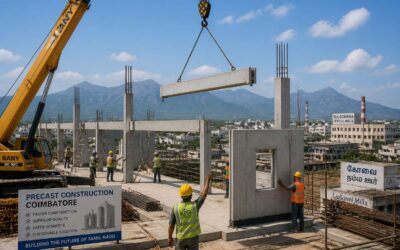
Across South Africa, case studies highlight the impact: a Gauteng development used hollow-core steps and reported faster handovers and a 20–30% drop in installation time, while a Durban project noted quieter construction with less waste and calmer site logistics. These examples illustrate a growing industry shift toward modular, off-site solutions.

0 Comments