
Overview and Context
Definition and scope of precast slab applications
Bridges built with precast slab bridge components carry more than traffic; they carry trust in a country where maintenance budgets are stretched and weather tests patience. In South Africa, modular deck slabs assembled off-site mean fewer disruptions to schools, markets, and clinics. Across projects, on-site time is trimmed and quality stays steady. This approach blends practical engineering with a quiet moral impulse: do more with less disruption and endure together. The overview rests on standardization, factory precision, and adaptable joints that resist heat and flood alike!
- Standardized deck slabs and connections for predictable quality
- Fast-track installation reducing road closures
- Durability engineered for heat, flood, and seismic considerations
Context and scope shape where this method thrives: from single-span rural crossings to multi-span urban links, the kit includes deck slabs, piers, and robust connections designed for South Africa’s climate. Applications span municipal bridges, rural culverts, and transportation corridors where durability and speed are paramount. The precast slab bridge approach is a disciplined response to climate, traffic growth, and maintenance realities.
Key advantages of precast slab systems in bridge construction
A precast slab bridge reshapes road rehabilitation, delivering reliability where budgets stretch. Factory-made deck slabs and adaptable joints mean fewer disruption points and better consistency across projects. In South Africa, the approach supports municipal and rural links with predictable performance and faster turnover.
Overview and context tie the method to real conditions—climate extremes, mounting traffic, and tight maintenance budgets. The kit includes deck slabs, piers, and robust connections designed for South Africa’s climate and varied landscapes.
- Fast-track installation reduces road closures
- Standardized deck slabs and connections ensure predictable quality
- Durability engineered for heat, flood, and seismic considerations
From rural crossings to urban corridors, the system blends practical engineering with a shared resilience against interruption.
Typical use cases and performance scenarios
Across South Africa’s corridors of movement, bridges are not mere crossings—they are enduring storytellers of weather and time. “We build resilience into every span,” the design team says, and that creed travels with every beam and joint, turning storms into steady progress.
Overview and context tie this method to real conditions—climate extremes, mounting traffic, and tight maintenance budgets. A precast slab bridge kit includes deck slabs, piers, and robust connections designed for South Africa’s climate and varied landscapes.
- Rural crossings linking villages and farms under variable weather
- Municipal and regional corridors facing rising traffic volumes
- Flood-prone river crossings requiring rapid, reliable service
In these scenes, the system blends practical engineering with a shared resilience against disruption, and the precast slab bridge stands as a steady thread through the country’s evolving journeys.
Design and Engineering Considerations
Structural performance and load ratings for precast slabs
In South Africa’s expanding road networks, a precast slab bridge is more than a span of concrete—it’s a compact performance engine. “Speed without structural sense is brittle,” a veteran engineer reminds us, and design discipline here translates that wisdom into predictable load ratings and safe serviceability. Engineers weigh how the slab carries traffic, resists fatigue, and behaves through temperature cycles, ensuring the bridge performs reliably across diverse sites—from inland townships to coastal corridors.
- Material quality and curing controls to guarantee predictable strength
- Connection details and joint behavior under cycles of live load
- Load rating methodology aligned with local traffic patterns and site conditions
- Durability strategies addressing chloride-rich coastal air and aggressive soils in SA
Ultimately, the precast slab bridge becomes a narrative of resilience, where engineering judgment, local standards, and thoughtful detailing converge to deliver long-term performance.
Material specifications and durability for bridge slabs
Design and engineering considerations here insist that every slab be tuned to its site. For a precast slab bridge, the blend’s workability, strength gain, and creep behavior shape long-term performance; field curing, storage, and erection sequencing must be choreographed like a ballet. I’ve seen that cadence deliver reliability under load!
- Concrete mix with optimized cement content and supplementary cementitious materials for durability
- Reinforcement detailing to control cracking and fatigue under cyclic loads
- Joint design and sealing to manage movement and water ingress
Material specifications and durability strategies ensure resilience against SA’s climate—coastal chloride exposure and inland acidity—while maintaining serviceability through temperature cycles and traffic growth. Our approach blends local standards with thoughtful detailing for a robust system that stands the test of time.
Construction methods and erection sequences
Across South Africa’s road tapestry, millions of vehicles pass daily, a drumbeat that tests every bridge at the seam of weather and time. Design and engineering for a precast slab bridge hinge on harmonizing site realities with production precision. Construction methods and erection sequences must be choreographed like a ballet, turning factory fabrication into a seamless on-site performance that respects temperature swings and load history.
- Off-site fabrication with tightly controlled joints and alignment to reduce field adjustments
- Careful field storage and curing to preserve concrete maturity before assembly
- Sequential erection planning that minimizes joint movement and ensures safe handling
These considerations weave speed with durability, letting the precast system endure SA’s climate and evolving traffic demands while keeping service levels high and future maintenance lean.
Code compliance and standards for bridge slab systems
Across South Africa’s arteries, design and engineering for a precast slab bridge demand a quiet arithmetic of accuracy and vision. Code compliance is not a constraint but a compass, guiding joints, load paths, and durability through the capricious South African climate.
Standards drawn from SANS and international practice shape detailing, material selection, and verification testing for bridge slab systems; these rules ensure safety, serviceability, and long life. Engineers translate these codes into practical deflections, crack control, and robust connections between precast segments.
- Structural safety checks and serviceability criteria
- Realistic load models and traffic scenarios
- Detailing for precast joints, cast-in channels, and connectors
- Durability, exposure classes, and corrosion protection
- Factory production control and QA documentation
- Inspection, maintenance planning, and retrofit readiness
Aligned with SA transport authorities and municipal departments, this compliance choreography keeps the precast slab bridge performing under growing traffic while weathering time and climate.
Seismic, environmental, and sustainability considerations
Within the road-breathing heart of South Africa, a precast slab bridge is more than concrete—it is a careful, almost mythic balance of forces. Seismic resilience is not an afterthought; it guides every joint, every connector, every path of force. I imagine the structure as a calm sentinel that sways softly under movement, thanks to ductile detailing and agile load paths that keep the bridge singing under strain.
- Seismic detailing and ductile connections
- Concrete durability in SA exposure classes
- Lifecycle thinking and sustainable materials
For environmental stewardship, favor locally produced precast components and durable coatings to reduce maintenance and extend service life.
Manufacturing and Quality Assurance
Manufacturing workflows for precast slabs
In rural workshops across South Africa, the dawn ritual of preparation begins with careful batching, moulding, and patience. A well-built structure is more than concrete and steel—it’s a lifeline that travels miles of pothole-choked roads and seasons of rain. Locally, such a structure can cut maintenance costs by 30%, a quiet testament to disciplined craft.
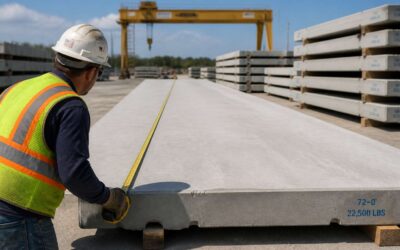
Manufacturing workflows hinge on strict control: accurate batching, precise mould alignment, and careful surface finish. Concrete pours are monitored from slump to temperature, with curing timelines laid out in batch records. Each component is labeled for traceability, ensuring that every unit leaves the plant exactly as designed and ready for the next stage.
Quality Assurance checks are layered and practical:
- Raw material inspection and supplier traceability
- Mould integrity, joint fit, and dimensional checks
- Fresh concrete placement, compaction, and surface finish
- Curing regime management and moisture control
- Final non-destructive testing and batch documentation
In communities where roads connect farms and towns, this careful manufacturing choreography supports safer crossings and longer-lasting routes—one precast slab bridge at a time.
Quality control procedures and testing protocols
Morning in the rural SA workshop reveals a quiet magic: the precast slab bridge taking shape under disciplined QA, ready to bear the weight of distant rivers and busy seasons. A well-managed program reduces maintenance demands by up to 30%, a testament to craft that travels with communities. Manufacturing and QA routines align, delivering uniform quality from panel to panel and guaranteeing safe crossings.
Quality control procedures and testing protocols extend beyond the obvious checks, weaving traceability and in-situ validation into every pour.
- Traceable batch IDs linking materials to each unit
- In-process checks for slump, temperature, and moisture during curing
- Non-destructive testing using ultrasonic methods and rebound measurements
- Core sampling and compressive strength verification for critical units
These steps ensure that the road network remains resilient, with each piece telling the story of sound engineering and local craftsmanship.
Factory acceptance testing and logistics planning
In rural South Africa sites, a well-run precast slab bridge program trims on-site disruption by up to 30% and keeps traffic flowing. Factory acceptance testing is the final gate, confirming every unit matches the design before it leaves the yard.
Manufacturing and QA walk in step. Uniform finishes and precise bearing seats are baked into every panel, with traceable batch IDs and a clear delivery schedule ensuring arrival with a verified history.
Key facets in factory acceptance testing and logistics planning:
- Handover packs with batch IDs, material specs, and QA records
- Delivery routing, packaging, and site-readiness coordination
- On-site commissioning checks tied to milestones
When these elements align, the precast slab bridge can be erected smoothly, with fewer surprises and safer crossings.
Delivery, on-site handling, and installation readiness
Every project in precast concrete work is a negotiation between precision and patience. In manufacturing and QA delivery, the scorecard is silent but exact: traceable production records, a verified delivery cadence, and components that leave the yard ready to perform. This is where quality becomes logistics.
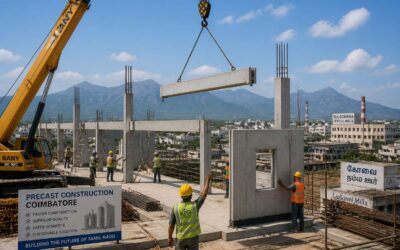
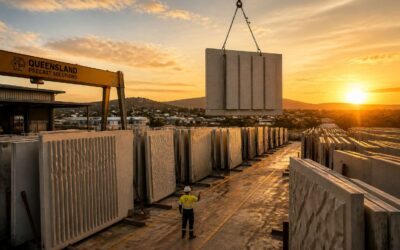
On-site handling is choreography. Panels arrive with clear lifting instructions, are staged to minimize movement, and are secured through every transfer. A compact checklist guides the crew toward installation readiness, reducing surprises as the structure rises.
- Lifting plans and crane configurations validated on site
- Temporary supports and alignment aids secured
- Site access and delivery windows confirmed
- Milestones tracked from set-out to seating
With those elements in place, the precast slab bridge goes up with quiet confidence, a testament to disciplined craft and purposeful timing.
Reinforcement detailing, joints, and connection details
Manufacturing and QA reinforce detailing in the precast slab bridge flow through exacting rebar layouts, verified cover, and disciplined connection planning. In the shop, each panel receives a bending schedule, corrosion-protected reinforcement, and pockets for dowels and grout. Joints are engineered with precision: shear keys fuse panels while dowel couplings maintain alignment across spans; grouted pockets and epoxy-coated connectors ensure durable, slip-resistant interfaces. In South Africa, reliability in joints is non-negotiable for rural routes and urban corridors alike.
- through-dowel connections that align panels and transfer shear
- shear keys and grouted joints for continuity
- post-tensioning ducts and tendon details for restrained movement
This attention yields a precast slab bridge that cycles through traffic with quiet confidence, its joints and connections bearing the subtle grammar of resilience!
Installation, Maintenance, and Lifecycle
Site preparation and installation best practices
Installation of a precast slab bridge begins with thorough site preparation. Stabilize the subgrade, set drainage, and clear access for lifting equipment. Define layout lines and bearing positions to ensure precise geometry and clean joints when the members are placed. It matters!
Maintenance comes next. Keep joints sealed, monitor bearings for settlement, and maintain drainage to prevent scour. After heavy rainfall, quick inspections avert bigger problems—this is especially true in South Africa’s climate. The goal is predictable performance over time.
- Sealant and joint performance
- Bearing seat integrity
- Drainage effectiveness
- Post-storm inspection cadence
Lifecycle planning ties together design choices, record-keeping, and asset management alignment. Document performance, plan for eventual replacement or retrofit, and use lessons learned to guide future projects with the same pragmatic approach.
Jointing, grout, and bearing details
Installation of a precast slab bridge reads like a quiet spell of precision. Start with exact layout marks and supporting positions, then coax the members into place with careful sequencing. When alignment breathes, clean interfaces reveal the geometry that keeps traffic steady!
Maintenance keeps the spell from fading. After storms, quick checks guard against creeping misalignment; monitor bearing seats for settlement and verify drainage paths remain unblocked. A well-tuned sealant system and mindful joint management sustain a quiet, predictable ride year after year.
Lifecycle planning ties performance history to responsible asset care. Document load responses, schedule future retrofit windows, and let lessons learned guide renewals. For grout and bearing details, specify compatible materials and compatible seating that preserve load transfer and extend its life.
Maintenance strategies and inspection schedules
Installation of a precast slab bridge begins with exact layout marks, verified bearing seats, and deliberate sequencing. When the pieces align, cranes move with quiet purpose, and clean interfaces reveal the geometry that keeps traffic steady!
Maintenance preserves the bridge’s character. After storms, quick checks guard against creeping misalignment; we monitor bearing seats for settlement; ensure drainage paths remain clear; refresh the sealant system to sustain a smooth ride.
- Inspect drainage channels after heavy rainfall
- Verify bearing seat elevations during routine sweeps
- Record loads and first signs of movement
Lifecycle maintenance ties performance history to asset care. Build a simple inspection schedule aligned with South Africa’s seasonal rains and load history; document lessons learned; plan retrofit windows to extend durability and service life of the precast slab bridge.
Repair, retrofit, and upgrading options
A precast slab bridge is more than concrete; it is a quiet argument with time itself, proving that intent, not impulse, holds a crossing together. In practice, installing such a bridge is a moment of disciplined craft: panels align, crews anticipate shifts, and a single join can seal a failure before it begins.
Maintenance is listening to an aging structure and tending its consistency. After storms and heat, I watch for subtle changes, confirm drainage paths still help the flow, and preserve ride quality with thoughtful maintenance rituals. The goal is to keep the bridge feeling as trustworthy as the first day.
Lifecycle repair and upgrades turn experience into extension of life. Retrofit options—strengthening, upgraded joints, protective coatings, fuel for monitoring systems—offer pathways to higher loads, longer service, and lower lifecycle costs. A well-planned upgrade respects the community’s needs and the bridge’s quiet dignity for a precast slab bridge upgrade.
Lifecycle cost savings and total cost of ownership
Installation of a precast slab bridge isn’t glamorous, but it is brutally efficient. In South Africa, on-site time drops dramatically as factory-made panels line up with slim tolerances and precise joints, letting traffic resume sooner and with less fuss.
Maintenance is listening, not shouting. After storms, I watch for drainage blockages, ride quality, and subtle shifts. Proactive coatings and joint care keep the bridge quiet under load and prevent small issues from becoming costly headaches.
Lifecycle cost savings and total cost of ownership materialize when a well-planned precast slab bridge design and maintenance are aligned. Fewer field joins, predictable refurbishments, and a longer service life translate into steadier budgets for South African transport programs.
- Lower installation labor and faster commissioning
- Predictable maintenance cycles
- Durable finishes extending service life
Case Studies, Standards, and Trends
Notable slab bridge projects and outcomes
Across South Africa’s expanding road network, precast slab bridge projects routinely slash on-site timelines by up to 40% and minimize traffic disruption. That punchy statistic isn’t a gimmick—it’s the practical payoff of factory-built components delivering enduring performance on the ground.
Notable slab bridge projects and outcomes include the following highlights:
- Gauteng bypass delivered in record time with modular slabs, offering a 35-year service life.
- KwaZulu-Natal coastal link cut maintenance costs by around 40% over ten years.
- Western Cape rural crossing featured jointless deck and corrosion-resistant reinforcement, performing reliably under seismic checks.
Standards and guidelines in South Africa push durability, inspection readiness, and lifecycle thinking for precast slab bridge systems. Trends point to accelerated bridge construction, embedded sensors for health monitoring, and lighter, greener concretes; the result is smarter, swifter crossings across the country!
Industry standards, codes, and regulatory frameworks
Case studies across South Africa’s road network reveal a compelling narrative: precast slab bridge projects shorten construction timelines and minimize traffic disruption without sacrificing long-term performance. From urban bypasses to rural linkages, engineers report predictable erection sequences, safer work zones, and faster return to service—a precast slab bridge delivering tangible benefits.
Standards, codes, and regulatory frameworks in South Africa shape every stage, from design margins to inspection readiness. National bodies establish durability, corrosion-resistance, and load-path validation requirements, ensuring consistency across jurisdictions.
- SANS-based design and durability codes for concrete bridges
- Municipal and provincial road regulations governing temporary works
- Factory production control requirements aligned with SABS guidelines and DoT oversight
Trends point to accelerated bridge construction, embedded health sensors, lighter greener concretes, and lifecycle thinking that reshape procurement and maintenance for precast slab bridge systems. The precast slab bridge approach aligns with these shifts, delivering smarter, swifter crossings across the country.
Sustainability metrics and environmental impact
Case studies across South Africa’s road network reveal a striking edge: a precast slab bridge can accelerate delivery and shrink traffic disruption without compromising long-term performance. From urban bypasses to rural linkages, engineers report predictable erection sequences, safer work zones, and quicker service restoration—proof that this solution delivers tangible, enduring value.
Standards dictate sustainability metrics like embodied carbon, durability, and end-of-life viability. Consider these levers for a precast slab bridge project:
- Embodied carbon per square meter of structure
- Maintenance cycle reduction and service life extension
- Recyclability of precast components and joints
Trends point to accelerated bridge construction, embedded health sensors, lighter greener concretes, and lifecycle thinking. The precast slab bridge approach aligns with these shifts, delivering smarter, swifter crossings and data-driven maintenance.
Emerging technologies and future directions
Case studies across South Africa’s road network reveal a striking edge: a precast slab bridge can accelerate delivery and shrink traffic disruption without compromising long-term performance. From urban bypasses to rural linkages, engineers report safer work zones and predictable erection sequences that shorten service restoration times.
Standards dictate sustainability metrics like embodied carbon per square meter, durability, and end-of-life viability. For this bridge, these levers translate into lower embodied emissions, longer service life, and easier recycling of joints and components.
Trends point to accelerated bridge construction, embedded health sensors, lighter greener concretes, and lifecycle thinking. The precast slab bridge aligns with these shifts, delivering smarter, swifter crossings and data-driven maintenance.
- Embedded health sensors monitoring behavior in real time
- Lighter, greener concretes reducing embodied carbon
- Lifecycle thinking guiding retrofit and end-of-life planning
Risks, challenges, and mitigation strategies in practice
Across South Africa’s road networks, case studies reveal a precast slab bridge can accelerate delivery by up to 30% and shrink traffic disruption while preserving long-term performance. In urban bypasses and rural linkages, engineers report safer work zones and predictable erections that shorten restoration times. The shift turns prefabrication into strategic advantage.
Standards frame choices around embodied carbon per square meter, durability, and end-of-life viability. For this bridge type, those levers translate into lower emissions, longer service life, and easier recycling of joints and components.
- Lifecycle design and recycling
- Detachable joints for reuse
- Carbon-efficient concrete mixes
Trends point to accelerated bridge construction, embedded health sensors, lighter greener concretes, and lifecycle thinking. The precast slab bridge aligns with these shifts, delivering smarter, swifter crossings and data-driven maintenance. Risks such as supply delays, skilled-labor gaps, and regulatory drift loom; mitigations in procurement, training, and harmonised standards keep projects on track.
Supplier selection and procurement considerations
Case studies across South Africa’s road network show the precast slab bridge delivering smarter crossings and less disruption. One project shaved program time by up to 30%, keeping traffic flowing and lanes open even during peak demand. Engineers report safer work zones and predictable erections that shorten restoration windows, turning off-site fabrication into a strategic advantage.
Standards frame decisions around embodied carbon per square meter, durability, and end-of-life viability. For a precast slab bridge, those levers translate into lower emissions, longer service life, and easier recycling.
- Verified supplier certifications and factory acceptance testing
- Transparent delivery schedules and resilient supply chains
- End-of-life options for joints and components
Trends point to accelerated bridge construction, embedded health sensors, lighter greener concretes, and lifecycle thinking. In procurement, that means preferring suppliers who share digital data, robust QA, and transparent carbon footprints.
0 Comments