
Precast Concrete Walls: How They Are Made — Outline
Overview and scope of precast concrete walls
Across South Africa’s urban sprawl to quiet rural yards, walls do more than hold space together — they tell a story of efficiency and endurance. “Fast, reliable, and quiet—that’s how precast walls change a build,” a contractor once said, and the phrase sticks. In this field, how precast concrete walls are made shapes timelines, budgets, and the steady pulse of a project under the hot sun and cool evenings!
Here is the outline of the process and scope, kept clear for builders and clients alike:
- Design and formwork planning
- Casting, curing, and quality checks
- Delivery, erection, finishing
These stages define the scope—from factory-floor precision to the way a panel settles into a Cape Town shadow or a Karoo breeze. In every project, the heart of precast is planning, patience, and hands-on care for the land and the people who finally live with the walls.
Manufacturing process for precast walls
Across South Africa’s urban sprawl and wind-swept Karoo yards, precast walls begin with design and formwork planning. The plan fixes panel geometry, reinforcement, and joints long before concrete meets the mould. Understanding how precast concrete walls are made starts here—engineers translate drawings into reusable forms, mindful of sun and shade shaping the schedule.
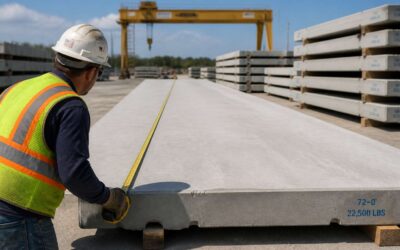
Casting and curing unfold in a controlled factory, with in-line quality checks shaping strength and finish. Key steps include:
- Reinforcement placement and formwork alignment
- Sealing joints and surface finishing
- Inline quality control and curing monitoring
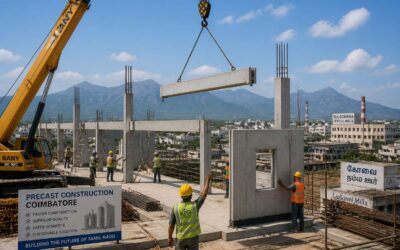
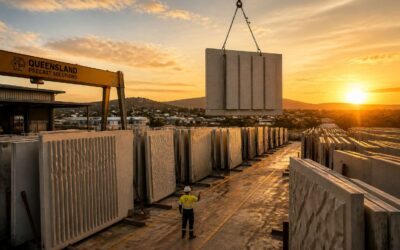
Delivery, erection, and finishing bring panels to site: cranes lift, joints are sealed, and the wall settles into its surroundings with quiet endurance.
Installation and erection of precast walls
Across South Africa’s urban sprawl, understanding how precast concrete walls are made is more than a factory curiosity—it is a measure of efficiency, a rhythm that can shave on-site time by up to 40%. Designers translate drawings into reusable forms, where sun and shade guide the schedule as patiently as any craftsman.
Outline Installation and erection of precast walls unfolds as a choreography of site logistics and precise fitment:
- Coordination of crane lifts and panel sequencing
- Joint sealing and surface refinement
- On-site alignment with surrounding structures
From this disciplined performance, the wall settles into its place with quiet endurance, ready to weather the changing light and the city’s tempo.
Design considerations and performance
Across South Africa’s urban sprawl, precast concrete walls move from sketch to skyline with quiet efficiency. This is where design considerations meet performance—the way a panel absorbs heat, resists moisture, and endures the city’s changing light. This section reveals how precast concrete walls are made and why thoughtful detailing preserves long-term durability.
Key design considerations shaping performance include:
- Structural integration and panel tolerances that ensure a seamless fit on site!
- Joint systems, sealants, and surface finishes to manage weather, moisture, and noise
- Coatings, textures, and color strategies that align with climate and architectural intent
From this disciplined design language, the wall settles with quiet endurance, weathering sun and wind while speaking softly to adjacent structures and streets.
Quality assurance, sustainability, and lifecycle benefits
Across South Africa’s dynamic cities, precast walls rise with a calm, relentless cadence. The true measure of excellence isn’t height but the precision baked into every panel. This is how precast concrete walls are made in controlled plants, where every detail is recorded, tested, and repeated to exacting standards.
Quality assurance starts long before the first panel leaves the yard: meticulous batching, mould calibration, and curing discipline lock in performance. In plant environments, batches are tracked and tests logged, ensuring strength and moisture behavior. Sustainability follows the same discipline.
- Quality assurance pillars: design intent, material consistency, curing discipline, and testing
- Sustainability and materials: recycled content, SCMs, lower cement, and formwork reuse
- Lifecycle advantages: durability, reduced maintenance, predictable performance, end-of-life recyclability
From factory floors to the skyline, South Africa gains resilience and efficiency.
0 Comments