
Understanding Precast Slab Compound Walls
Definition and Overview – What are precast slab compound walls?
In the realm of modern construction, precast slab compound walls stand as silent sentinels—guardians of privacy and fortresses of durability. These structures are crafted from high-quality concrete slabs that are precast in controlled environments, then transported and assembled on-site with remarkable precision. Their reputation for strength and longevity makes them a preferred choice in South Africa’s dynamic building landscape.
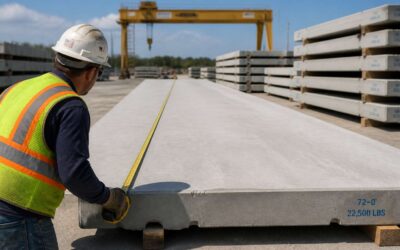
What exactly are precast slab compound walls? Simply put, they are walls composed of prefabricated concrete panels that interlock seamlessly to form a sturdy boundary. Unlike traditional brick or mortar walls, these precast systems offer rapid installation, reducing project timelines significantly. Their modular nature means they can be customized in height, length, and design, catering to both aesthetic desires and security needs.
These walls are more than just functional barriers; they are an artistic expression of engineering ingenuity. The process involves casting slabs in factories under optimal conditions, ensuring uniformity and impeccable quality. Once on-site, they are assembled with ease, creating a seamless, resilient boundary that withstands South Africa’s diverse climate conditions.
Components and Materials Used – Materials involved in manufacturing precast slabs
When it comes to constructing a formidable yet efficient precast slab compound wall, understanding the materials involved is as crucial as knowing the secret recipe for grandma’s legendary potjie. The backbone of these walls lies in the high-quality concrete slabs, meticulously cast under factory-controlled conditions to ensure consistency and durability. These precast components are crafted from a blend of cement, aggregates, and water—think of it as the ultimate concrete cocktail that delivers both strength and resilience.
In the manufacturing process, reinforcement bars—usually steel—are embedded within the slabs to bolster tensile strength, making the precast slab compound wall capable of withstanding South Africa’s unpredictable climate swings. The choice of materials isn’t left to chance; instead, it’s a calculated decision aimed at optimizing longevity and aesthetic appeal. For example, some slabs incorporate fiber reinforcements or special additives to enhance weather resistance, ensuring your boundary remains unyielding against the harsh sun and heavy rains.
To give you a clearer picture, here’s a quick rundown of the core materials involved in manufacturing these precast slabs:
- High-grade cement for a solid foundation
- Sharp, well-graded aggregates that add bulk and strength
- Steel reinforcement bars, or rebars, for tensile resilience
- Water, the essential element for the chemical reaction—no magic here, just chemistry!
- Optional additives like waterproofing agents and fibers for enhanced durability
All these ingredients come together in a controlled environment, ensuring each precast slab meets strict quality standards before it embarks on its journey to become part of your precast slab compound wall. It’s an engineering marvel with a dash of culinary precision—minus the cooking, thankfully, because who has time for that when building walls as tough as a South African safari?
Types of Precast Slab Walls – Different styles and designs available
Precast slab compound walls come in an array of styles, each tailored to meet specific aesthetic and structural demands. In South Africa, where climate variability and security concerns intertwine, selecting the right design can turn a simple boundary into a statement of durability and elegance. These walls are not merely functional; they are crafted with an eye for visual harmony and resilience. The versatility of precast slab compound walls manifests in their ability to be customized with various textures, finishes, and patterns, transforming utilitarian barriers into architectural accents.
Among the most popular styles are smooth-faced slabs that emphasize sleek modern lines, while textured finishes evoke natural stone or traditional motifs suitable for heritage properties. For those seeking a more intricate appearance, precast slabs can incorporate decorative elements such as embedded motifs or color-integrated surfaces. The choice of precast slab compound wall style often hinges on the specific needs—whether it’s privacy, security, or aesthetic appeal—that a property demands.
In terms of design variety, some manufacturers offer:
- Panel systems with interlocking features for quick assembly
- Split-face or rough-textured finishes for a rustic, natural feel
- Precast slabs with integrated slots or recesses for greenery or lighting features
Each of these styles exemplifies the adaptability of precast slab technology, allowing homeowners and developers across South Africa to craft boundaries that are as resilient as they are visually compelling. The diverse array of precast slab compound wall options ensures that every project can reflect individual taste while maintaining structural integrity and longevity — essentials in a landscape as dynamic and demanding as ours.
Advantages of Using Precast Slab Compound Walls
Durability and Strength – Longevity and robustness of precast slabs
In the realm of modern construction, the durability and strength of a precast slab compound wall stand as a testament to engineering excellence. These walls are not merely barriers; they are resilient fortresses built to withstand the tests of time and nature. With each precast slab meticulously crafted to endure South Africa’s diverse climate, the longevity of such a wall becomes undeniable, offering peace of mind to property owners.
A precast slab compound wall’s robustness is rooted in the superior materials and precise manufacturing processes involved. This results in a structure that resists cracking, weathering, and wear, even under the harshest conditions. For those seeking an investment that pays dividends in durability, a precast slab compound wall is an unparalleled choice. Its strength ensures that it remains a steadfast boundary, enhancing security and aesthetic appeal for decades to come.
Furthermore, the inherent qualities of precast slabs — including high compressive strength and resistance to impact — enable the wall to maintain its integrity over time. This longevity is essential in South Africa’s dynamic environment, where external factors can challenge less resilient structures. Choosing a precast slab compound wall means embracing a barrier that is as enduring as the dreams it protects!
Faster Installation – Time efficiency during construction
Speed is often the deciding factor in construction projects, especially when time is tight. Precast slab compound walls excel in this regard, offering a significant advantage over traditional masonry. Their modular nature allows for rapid assembly on-site, cutting down construction time dramatically. In fact, a typical precast slab compound wall can be installed in a fraction of the time it takes to lay bricks or blocks.
This efficiency stems from the fact that precast slabs are manufactured off-site under controlled conditions, ensuring consistent quality and precision. Once delivered, they can be installed swiftly using simple lifting equipment. No lengthy curing periods or labor-intensive processes are needed, which means fewer delays and a quicker turnaround for your project.
- Precast slabs are prefabricated, reducing on-site construction time.
- Installation involves straightforward placement, saving labor costs.
- Fewer weather-related delays, as most of the work is completed off-site.
Choosing a precast slab compound wall not only enhances durability but also accelerates your building schedule. For anyone seeking a reliable, time-efficient fencing solution, precast slabs deliver unmatched speed without compromising on strength or quality. It’s an investment that pays off in both time saved and peace of mind.
Cost-Effectiveness – Economic benefits compared to other fencing options
In a landscape where budget constraints and project timelines often collide, choosing an economical fencing solution becomes crucial. Precast slab compound walls stand out as a cost-effective alternative to traditional fencing methods, delivering impressive savings without sacrificing quality. Because they are manufactured off-site, precast slabs minimize waste and reduce on-site labor costs—two significant factors that boost overall project savings.
Moreover, their durability translates into lower maintenance expenses over time, ensuring your investment remains sound for years to come. Unlike other fencing options that require frequent repairs or replacements, a precast slab compound wall offers long-term value with minimal upkeep. This means fewer interruptions, less expenditure, and more peace of mind for property owners and developers alike.
In addition, the modular design of precast slab compound walls allows for easy customization and scalability, making them suitable for a wide range of projects—be it a small residential boundary or a large commercial perimeter. Their swift installation process also reduces labor costs further, making this innovative fencing solution a compelling choice for budget-conscious projects seeking reliability and efficiency.
Aesthetic Appeal – Design options and customization possibilities
When it comes to transforming a mundane boundary into a masterpiece of design, the precast slab compound wall proves that beauty and functionality can indeed walk hand in hand—without breaking the bank. Unlike traditional fencing options that often look like they were assembled by a particularly enthusiastic robot, these walls offer a sleek, sophisticated aesthetic that elevates any property’s curb appeal.
The beauty of a precast slab compound wall lies in its boundless customization possibilities. Want a modern, minimalist look? Or perhaps something more ornate with intricate patterns? The modular nature of these walls makes it all possible. With a dizzying array of textures, finishes, and colors, you can tailor your fencing to perfectly match your vision—whether it’s a chic residential enclave or a commercial fortress.
In South Africa’s diverse landscape, versatility is king. Some manufacturers even offer options for integrated decorative elements, such as stone veneer or decorative panels, turning a functional barrier into a statement piece. The ability to choose from different design options ensures that your precast slab compound wall isn’t just a fence—it’s a reflection of your style. Truly, it’s fencing that commands attention while remaining remarkably easy to install and maintain.
Low Maintenance Requirements – Ease of upkeep and cleaning
In a world where time is as precious as beauty itself, the advantages of using a precast slab compound wall become undeniably clear. These structures are celebrated not only for their impressive durability but also for their remarkably low maintenance requirements, making them an ideal choice for property owners seeking longevity without the hassle. Unlike traditional fencing options that demand frequent repairs or repainting, a precast slab compound wall stands resilient with minimal upkeep.
Maintaining a precast slab compound wall is as simple as an occasional rinse or sweep. Its smooth surface repels dirt and grime, reducing the need for abrasive cleaning agents or labor-intensive maintenance routines. The robust materials used in manufacturing ensure that weather elements—be it the fierce sun or heavy rains—do not compromise its integrity over time. This durability translates into long-term savings and peace of mind, as the wall continues to look pristine year after year.
Furthermore, the modular nature of precast slabs allows for easy repairs and upgrades, should they ever be necessary. No more dismantling entire sections or waiting weeks for skilled labor; simple replacements or touch-ups can be completed swiftly. This combination of strength, ease of upkeep, and versatility cements the precast slab compound wall’s reputation as the go-to fencing solution for those who value both beauty and practicality in their property’s boundary.
Applications of Precast Slab Compound Walls
Residential Compound Walls – Gated communities and individual homes
In South Africa’s evolving urban landscape, security and aesthetics often walk hand in hand. Precast slab compound walls have emerged as a preferred solution for residential compound walls, especially in gated communities and individual homes. These walls are not merely barriers; they are statements of modernity, safety, and style. Their applications extend beyond simple demarcation, serving as integral components of property value and community identity.
For gated communities, precast slab compound walls offer a seamless blend of durability and visual appeal, creating a sense of exclusivity and security. Similarly, individual homes benefit from customized designs that complement architectural styles while providing robust protection. The versatility of precast slab compound walls makes them ideal for various residential settings, ensuring that each property can achieve a unique yet cohesive look. Their quick installation process minimizes disruption, making them an attractive choice for homeowners eager to enhance their property’s security and curb appeal efficiently.
Commercial and Industrial Security Walls – Factories, warehouses, and offices
In the realm of industrial security, the need for robust, reliable barriers is undeniable. Factories, warehouses, and office complexes demand more than mere fencing—they require a statement of strength and resilience. Precast slab compound walls emerge as an optimal solution, embodying both form and function. Their formidable presence acts as a deterrent, safeguarding assets against intrusion while maintaining a professional aesthetic.
These walls are versatile, adaptable to various industrial environments. Their standardized manufacturing process ensures consistent quality, while customization options allow for integration of branding or security features. For industrial zones, a precast slab compound wall is not just a boundary; it’s an assurance of safety, operational integrity, and control. The strategic placement of these walls can delineate zones, control access points, and reinforce perimeter security seamlessly.
In environments where security is paramount, precast slab compound walls stand out for their durability and ease of maintenance. Their construction minimizes downtime during installation, allowing facilities to operate without lengthy interruptions. When considering long-term security investments, these walls offer unmatched value, providing peace of mind in a landscape where safety cannot be compromised.
School and Institution Fencing – Educational institutions and public buildings
In the shadowed corridors of education, where safety whispers through every brick and mortar, the application of precast slab compound walls in schools and institutions becomes a silent guardian. These formidable barriers serve as more than just boundary markers; they are shields that preserve sanctuaries of knowledge from the chaos beyond. Their imposing presence deters unwelcome intruders, creating a secure enclave for students and staff alike.
The versatility of precast slab compound walls shines brightest in this context. Customization options allow for aesthetic enhancements—perhaps a mural or emblem—while maintaining their unwavering strength. Such walls can seamlessly integrate with the architecture of public buildings, offering both security and a subtle sense of pride. In environments where safety is paramount, these walls stand as silent sentinels, their durability ensuring they endure the test of time amidst South Africa’s unpredictable climate.
Within the realm of educational institutions, precast slab compound walls are more than mere fencing—they are a testament to resilience and security, quietly fortifying the future of generations to come.
Agricultural Boundaries – Farms and farming lands
Among the vast plains and rolling hills of South Africa, where farmland stretches as far as the eye can see, the importance of secure boundaries cannot be overstated. Precast slab compound walls have emerged as a formidable solution for safeguarding agricultural lands, blending resilience with practicality. These walls act as vigilant guardians, protecting crops, livestock, and valuable machinery from intruders and wild animals alike.
The application of precast slab compound walls in agriculture is both strategic and aesthetically pleasing. They serve as clear demarcations, preventing disputes over land ownership while maintaining a seamless visual flow across expansive fields. Their robust construction withstands the unpredictable weather patterns typical of the region, ensuring longevity and minimal maintenance. For farmers seeking a fencing option that combines durability with cost-effectiveness, precast slab compound walls are an ideal choice.
In rural landscapes, these walls can be customized to include features such as:
- Varying heights for different crop zones
- Integrated gates for easy access
- Decorative finishes that blend with the natural environment
Ultimately, precast slab compound walls are more than mere barriers; they are the silent sentinels of South Africa’s agricultural future, fortifying farms and farming lands with a promise of security and resilience amidst the challenges of nature and human activity alike.
Design and Customization Options
Variety of Shapes and Sizes – Standard and tailor-made dimensions
In the realm of modern construction, the precast slab compound wall emerges as a marvel of engineering, offering unparalleled versatility and aesthetic finesse. When it comes to design and customization options, these walls can be transformed into architectural masterpieces tailored precisely to your vision. The variety of shapes and sizes available means that whether you desire a sleek, contemporary boundary or a more ornate, traditional enclosure, the precast slab compound wall can be crafted to fit seamlessly into any environment.
What truly sets these walls apart is the ability to select from both standard and tailor-made dimensions, ensuring a perfect fit for every space. For those seeking a unique touch, custom-designed precast slab compound walls can incorporate intricate patterns, decorative finishes, or specific height requirements. The extensive array of design options allows you to create an enclosure that not only provides security but also elevates the overall visual appeal of your property.
Furthermore, the variety of shapes—ranging from rectangular panels to curved or bespoke forms—ensures that your precast slab compound wall is as functional as it is aesthetically pleasing. Whether you prefer a minimalist look or an elaborate facade, the flexibility in design makes these walls a popular choice for both residential and commercial projects. Embrace the power of customization to craft a boundary that stands out and endures through the ages!
Surface Finishes and Textures – Different surface treatments for aesthetics
In the world of contemporary construction, the visual impact of a precast slab compound wall hinges significantly on surface finishes and textures. These treatments do more than just beautify; they transform a simple boundary into a statement of style and sophistication. From smooth, polished surfaces that exude modern elegance to textured finishes that evoke rustic charm, the array of options ensures every project’s unique character is captured.
Surface treatments such as exposed aggregate, stamped patterns, or faux stone are popular for adding depth and visual interest. Each finish can be tailored to complement architectural themes or landscape aesthetics, creating a harmonious blend with the surrounding environment. The versatility of these finishes allows for seamless integration into both residential and commercial settings, making the precast slab compound wall a versatile choice for any property.
For those seeking a distinctive touch, textured surfaces can be achieved through innovative casting techniques or specialized coatings. These not only elevate aesthetic appeal but also enhance durability by providing additional resistance to weathering and wear. The right surface finish transforms a precast slab compound wall from a mere barrier into an enduring piece of art—captivating the eye while standing the test of time.
Color Coatings and Paints – Color options for branding and style
When it comes to expressing personality and brand identity through boundary walls, the power of color cannot be overstated. A precast slab compound wall in South Africa can be transformed into a vivid statement of style with carefully selected color coatings and paints. Whether aiming for a sleek modern look or a vibrant, eye-catching presence, the right hue can elevate any property’s curb appeal. The palette options are virtually limitless, from subtle earth tones that blend seamlessly with natural landscapes to bold shades that make a statement of confidence.
Customization is key—many manufacturers offer a range of color coatings that can be tailored to fit your specific aesthetic vision. For example, you might opt for a classic white or beige for a timeless appearance, or choose custom colors to match branding requirements for commercial properties. In addition to aesthetic appeal, quality paints and coatings add a layer of protection against weathering, UV rays, and wear. This ensures that your precast slab compound wall remains striking and durable over the years.
For those seeking a more dynamic look, some companies provide options like textured finishes or patterned paint layers that add depth and personality. These choices allow your boundary wall to stand out while maintaining a professional appearance. Ultimately, the color coatings and paints used on a precast slab compound wall are more than just decorative—they are an investment in long-lasting beauty and resilience, making your property truly unique in the South African landscape.
Incorporating Design Elements – Patterns, logos, and decorative features
In the realm of boundary defences, a precast slab compound wall transforms mere security into a canvas of artistry. Imagine a fortress adorned with bespoke design elements—each pattern, logo, or decorative feature whispering stories of identity and craftsmanship. The possibilities are virtually boundless, allowing property owners to craft a visual symphony that resonates with their unique vision.
Design and customization options open up a world where imagination takes center stage. Intricate patterns etched into the surface can evoke a sense of heritage or modern elegance, while embossed logos serve as a testament to brand identity. For those seeking an extra touch of sophistication, decorative features such as textured finishes or ornamental motifs can add depth and character, making the precast slab compound wall not just a barrier but a statement piece.
To streamline this process, many manufacturers offer a variety of design templates or the option to create bespoke elements. Whether it’s a geometric pattern that catches the light or a crest that symbolizes heritage, these features elevate the aesthetic appeal far beyond traditional fencing. The integration of custom design elements ensures that each precast slab compound wall is a reflection of its owner’s personality and purpose, standing proudly amid the South African landscape.
Installation and Construction Process
Preparation and Foundation Work – Site readiness and groundwork
Preparation is the cornerstone of a seamless precast slab compound wall installation. Before the first slab is set, meticulous site readiness is essential. This involves clearing the area, leveling the ground, and ensuring proper drainage to prevent future structural issues. Groundwork for a precast slab compound wall must be robust; a solid foundation guarantees long-lasting strength and stability. Typically, the groundwork includes excavation, compacting soil, and laying a concrete base that can withstand environmental stresses common in South Africa’s diverse climates.
Once the site is prepared, construction progresses with precision. An effective approach involves setting out the layout using markers and strings to ensure perfect alignment of the precast slabs. For added efficiency, a step-by-step process can be followed:
- Excavate and level the ground
- Lay a reinforced concrete foundation
- Allow the foundation to cure properly
- Position the precast slabs systematically
- Secure each component with appropriate fasteners and mortar
This staged approach not only enhances safety but also ensures the aesthetic appeal and structural integrity of the precast slab compound wall. With thorough preparation and groundwork, the installation process becomes a smooth journey, transforming raw land into an impressive boundary that stands resilient against time and elements.
Transportation and Handling – Logistics of moving precast slabs
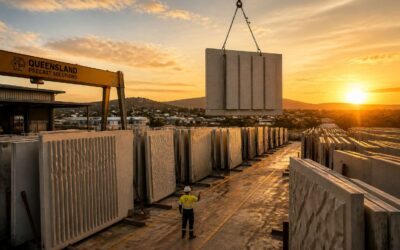
Transporting and handling precast slabs for a precast slab compound wall demands meticulous planning and precision. The sheer weight and size of these components mean that logistics can make or break the entire installation process. In South Africa’s diverse terrain, navigating narrow roads and uneven access points requires experienced logistics teams equipped with specialized cranes and transport vehicles. Careful loading and unloading practices prevent damage and ensure the integrity of each slab, which is vital for maintaining the structural durability of the wall.
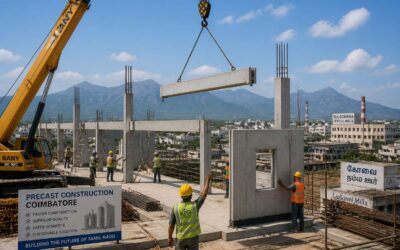
Once on-site, handling involves a combination of machinery and skilled labor to position each precast slab accurately. Using lifting straps, cranes, and guide rails, workers align slabs to fit seamlessly, ensuring perfect continuity and stability. During this phase, safety protocols are paramount—nothing compromises quality like rushed handling or careless movement. A well-orchestrated transportation and handling process not only expedites construction but also preserves the aesthetic appeal and robustness of the precast slab compound wall.
Assembly and Fixation – Techniques used to assemble and secure the wall
In the realm of constructing a formidable and enduring boundary, the precision of the installation and construction process transforms raw materials into a seamless fortress. For a precast slab compound wall, assembly and fixation are the final, vital steps that determine both aesthetic harmony and structural integrity. Skilled craftsmen and modern machinery work in concert to ensure each precast slab is securely anchored, creating a resilient barrier against the elements and intruders alike.
To achieve perfect alignment, sophisticated techniques such as hydraulic cranes and guide rails are employed. These methods facilitate the precise placement of slabs, preventing any misalignment that could compromise the wall’s stability. The use of high-strength fasteners and mortar during fixation guarantees that each component remains steadfast over decades of service. The process often involves a meticulous sequence of assembly, where slabs are positioned in a specific order to maintain uniformity and strength.
In many cases, a systematic approach is adopted, which can be summarized as follows:
- Preparation of the foundation to ensure a level, stable base.
- Careful transportation of precast slabs to the site, avoiding any impact damage.
- Use of cranes and lifting straps to lift and position each slab with precision.
- Securing slabs with bolts, grout, or welding to guarantee a permanent connection.
- Inspection and realignment to ensure perfect fit and finish.
This rigorous assembly process is essential to maintain the integrity of a precast slab compound wall. The fixation techniques not only guarantee durability but also contribute to the aesthetic appeal, allowing for a sleek, uniform appearance that withstands South Africa’s diverse climate. Such meticulous craftsmanship ensures that the boundary wall isn’t merely functional but a testament to engineering excellence, blending seamlessly with the environment while providing unmatched security and longevity.
Quality Checks and Final Finishing – Inspection and finishing touches
The installation and construction process of a precast slab compound wall is where craftsmanship truly shines. This stage transforms a collection of sturdy precast slabs into a seamless, formidable barrier—combining precision, skill, and a dash of patience. Ensuring quality during this phase is not just about meeting standards; it’s about exceeding them to guarantee decades of durability and aesthetic appeal.
Rigorous quality checks are woven into every step, from verifying foundation levels to inspecting each slab’s placement. An unmissable detail, such as using high-strength fasteners or meticulously aligning slabs with hydraulic cranes, makes the difference between a wall that lasts and one that falters. Final finishing touches, like smoothing joints or applying protective coatings, elevate the overall appearance and resilience of the precast slab compound wall.
Typically, a systematic inspection process ensures that every component aligns perfectly, preventing future issues. This includes:
- Verifying the uniformity of surface finishes
- Checking the stability of each connection
- Ensuring the wall’s overall straightness and height
Once these checks pass muster, the final layer of care involves detailed aesthetic touches—whether it’s a sleek paint job or decorative surface treatment—to give the wall a polished, professional look. These finishing details not only boost visual charm but also protect the precast slabs from South Africa’s diverse climate conditions, ensuring the precast slab compound wall remains a resilient boundary for years to come.
Cost Factors and Budgeting
Material Costs – Pricing of precast slabs and accessories
When it comes to budgeting for a precast slab compound wall, understanding the cost factors that influence the final price is crucial. Material costs often take center stage—think of them as the backbone of your project’s budget. The pricing of precast slabs and accessories can vary significantly depending on quality, manufacturer, and the complexity of design. For instance, opting for high-end finishes or custom textures will naturally inflate the expense, but it might also elevate your wall from plain jane to palace-worthy.
Another aspect that can make or break your budget is transportation and handling. Moving those hefty precast slabs requires logistical finesse—think specialized cranes and careful maneuvering—adding an extra layer of cost. On the bright side, the speed of installation often offsets these expenses, saving you money in labor costs and minimizing project delays. Here’s a quick breakdown of key cost factors to keep in mind:
- Material quality and finish
- Design complexity and customization
- Transportation and handling logistics
- Labor and installation fees
By considering these elements, you can better manage your project’s budget, ensuring that your precast slab compound wall remains both cost-effective and visually impressive—without sacrificing quality or durability.
Labor and Installation Charges – Costs associated with labor
When it comes to erecting a durable precast slab compound wall, labor and installation charges can significantly influence your overall budget. Skilled labor is essential to ensure that each precast slab is correctly positioned and securely fixed, preventing future issues. The complexity of the wall design, along with site accessibility, directly impacts the labor costs—more intricate patterns or custom finishes demand specialized craftsmanship. In South Africa, labor costs vary regionally, but quality workmanship remains non-negotiable for long-lasting results.
Additionally, transportation and handling logistics play a critical role. Moving those hefty precast slabs requires precise coordination, often involving heavy-duty cranes and careful maneuvering—factors that can inflate expenses unexpectedly. However, because precast slabs are designed for quick assembly, their rapid installation often compensates for higher labor costs, reducing overall project duration. This efficiency is a key advantage of choosing a precast slab compound wall, especially when time is of the essence in securing your property.
- Efficient planning minimizes delays and labor wastage.
- Proper handling preserves the integrity of precast slabs, reducing rework.
- Skilled workforce ensures alignment, safety, and durability.
Design and Customization Fees – Additional expenses for specific designs
Every contour of a precast slab compound wall whispers a story of precision and craftsmanship, but beneath its sleek surface lies a complex web of design and customization expenses. When planning your project, understanding the hidden costs associated with bespoke finishes or intricate patterns is crucial. Design and customization fees can unexpectedly escalate your budget, especially if you opt for unique surface textures, decorative elements, or branded logos. These enhancements transform a standard barrier into a statement piece, yet they come with a price tag that demands careful consideration.
In South Africa’s competitive construction landscape, every rand counts. Customization costs are often dictated by the complexity of the design—think of it as sculpting a functional work of art. For those seeking a precast slab compound wall that reflects personality and purpose, engaging with suppliers who offer flexible design options is essential. Some companies provide a range of surface finishes or color coatings, which can add to the overall expense but significantly boost aesthetic appeal. It’s a delicate balance—investing wisely in design ensures durability and visual harmony without overrunning your budget.
- Materials used for the specific design features, such as decorative panels or textured surfaces, often command premium pricing.
- Specialized molds or custom fabrication processes increase manufacturing costs, impacting the final quote.
- Additional labor for detailed finishing or intricate installation techniques escalates the overall expenses, especially in complex projects.
Ultimately, the investment in design and customization for your precast slab compound wall transforms a simple boundary into a resilient, visually stunning structure. While these additional expenses require foresight, they can elevate the security, privacy, and curb appeal of your property—making every rand spent a worthwhile endeavor in the grand scheme of property safeguarding.
Maintenance and Longevity Benefits – Long-term savings considerations
When budgeting for your precast slab compound wall, understanding the cost factors involved is as vital as knowing which side of the bed you wake up on. Materials, labor, design intricacies—they all play a starring role in determining the final bill. For instance, opting for decorative panels or textured surfaces can significantly inflate expenses, especially if custom molds or specialized fabrication are required. These premium features, while appealing, often come with a hefty price tag that warrants careful financial planning.
Maintenance and longevity are the unsung heroes of long-term savings. A well-constructed precast slab compound wall isn’t just about immediate aesthetic appeal; it’s about durability that stands the test of time. Investing in high-quality materials and surface finishes reduces the frequency and cost of repairs down the line. Additionally, choosing surfaces with superior weather resistance and UV coatings can drastically lower upkeep—saving you money and headaches in the future.
In the grand scheme of property security and privacy, a precast slab compound wall is an investment that pays dividends over years. By considering the intricate balance between initial costs and ongoing maintenance, property owners can ensure their boundaries remain both resilient and cost-effective. After all, a sturdy wall isn’t just a pretty face—it’s a fortress built for the ages.
Maintenance and Durability Considerations
Cleaning and Upkeep – Best practices for maintenance
Precast slab compound walls are engineered for longevity, but proper maintenance is crucial to maximize their lifespan. Regular cleaning not only preserves their appearance but also prevents the buildup of dirt and grime that can cause surface degradation over time. In South Africa’s varied climate, it’s essential to adopt best practices for upkeep to ensure the wall remains robust and visually appealing.
For cleaning, use a gentle pressure wash combined with mild detergents to remove stubborn stains without damaging the surface finish. Avoid harsh chemicals that could erode the material or weaken the precast slab compound wall. Periodic inspections should focus on checking for cracks, chips, or signs of water infiltration, which can compromise structural integrity. Prompt repairs help prevent minor issues from escalating, saving costs and maintaining safety standards.
Applying protective coatings or sealants can further enhance the durability of the precast slab compound wall, especially against weather elements like rain and UV exposure. This simple step can significantly extend its lifespan, reducing long-term maintenance costs and ensuring the wall continues to serve its purpose effectively for years to come.
Repair and Replacement – Handling damages or wear and tear
Precast slab compound walls are the steadfast guardians of your property, standing tall against the relentless South African weather with impressive resilience. Yet, even the mightiest walls aren’t invincible. When it comes to handling damages or wear and tear, timely repair and replacement are crucial to maintaining their structural integrity and aesthetic appeal. Ignoring minor cracks or chips can lead to costly catastrophes down the line, turning a simple fix into a major overhaul.
For minor damages, patching with compatible materials can restore the wall’s strength without much fuss. However, significant structural issues might require a complete replacement of affected precast slabs, ensuring your compound remains secure and visually appealing. Regular inspections help identify problem areas early, preventing small issues from snowballing into major safety hazards. In some cases, opting for a seamless replacement of damaged sections with new precast slabs can be a cost-effective way to prolong the lifespan of your precast slab compound wall.
When damage becomes unavoidable, prioritizing quality repairs ensures durability and longevity. Remember, a well-maintained precast slab compound wall isn’t just about protection; it’s about making a statement—one that says you take your security seriously. Handling damages swiftly and appropriately guarantees that the wall continues to serve its purpose effectively for years to come, saving you money and stress in the long run.
Environmental Resistance – Weather, corrosion, and other factors
In the unpredictable South African climate, environmental resistance becomes a pivotal factor in the longevity of your precast slab compound wall. Harsh sun, heavy rains, and humidity can gradually erode unprotected surfaces, compromising both durability and aesthetic appeal. To combat this, selecting high-quality materials with inherent weather-resistant properties is essential. Proper surface finishes and protective coatings can significantly enhance resistance to corrosion, ensuring your wall withstands the test of time.
Beyond weather, chemical exposure and pollution can accelerate deterioration. Applying specialized sealants and paints not only preserves the structural integrity but also maintains the visual appeal of your precast slab compound wall. For added resilience, consider incorporating surface textures that improve water runoff and reduce damage from standing moisture. When designed with environmental factors in mind, your wall becomes more than just a boundary—it transforms into a resilient barrier against nature’s relentless forces.
In some cases, a strategic combination of surface treatments and material choices can dramatically extend the lifespan of your precast slab compound wall. A well-maintained wall that resists corrosion and weathering ultimately offers better value, fewer repairs, and sustained security. Remember, the key to enduring strength lies in proactive environmental resistance—because in South Africa, resilience isn’t optional, it’s a necessity.
Choosing the Right Supplier and Contractor
Factors to Consider – Reputation, experience, and certifications
Choosing the right supplier and contractor is paramount when investing in a precast slab compound wall. In South Africa’s dynamic construction landscape, reputation speaks volumes. A well-established supplier with glowing reviews ensures you receive quality precast slabs that meet rigorous standards. Experience is equally crucial; seasoned contractors bring a wealth of expertise, ensuring the installation process is seamless and durable.
Certifications further distinguish top-tier providers. Look for industry-standard accreditations, which act as a seal of quality assurance. The best suppliers often demonstrate a commitment to environmental sustainability and innovative practices, making your precast slab compound wall not only robust but also eco-friendly.
When selecting your partner, consider their project portfolio and client testimonials. An ordered list of key factors might include:
- Reputation for reliability
- Experience in precast slab manufacturing and installation
- Certified quality assurance processes
- Ability to customize designs to fit your aesthetic preferences
Partnering with the right team guarantees your precast slab compound wall stands the test of time, blending strength with style in every detail.
Requesting Quotes and Evaluations – How to compare offers
Choosing the right supplier and contractor for your precast slab compound wall requires careful evaluation. In South Africa’s competitive construction market, obtaining multiple quotes is essential to ensure you’re receiving a fair price and quality craftsmanship. When requesting quotes, provide detailed specifications to facilitate accurate comparisons.
It’s wise to evaluate each offer beyond just cost. Consider the supplier’s reputation for reliability and their ability to deliver on time. A transparent contractor will outline their process, from manufacturing to installation, giving you confidence in their professionalism.
To streamline your decision-making, create a comparison chart that includes key factors such as pricing, materials, customization options, and project timelines. This approach ensures you balance affordability with quality, ultimately securing a precast slab compound wall that meets your aesthetic and functional requirements. Remember, in selecting your partner, thorough evaluation of offers isn’t just about saving money; it’s about forging a reliable relationship built on trust and expertise.
Ensuring Quality Assurance – Standards and certifications to look for
Choosing the right supplier and contractor for your precast slab compound wall isn’t just about finding the lowest price. In South Africa’s competitive construction market, quality assurance plays a pivotal role in ensuring your investment endures. A reputable supplier will adhere to established standards and certifications that guarantee durability and safety.
Look for suppliers who possess recognized industry certifications such as SABS (South African Bureau of Standards) compliance or ISO accreditation. These validate that their precast slabs meet strict quality benchmarks. Additionally, reliable contractors should provide transparent documentation on their manufacturing processes, ensuring you’re not left guessing about the integrity of your precast slab compound wall.
To safeguard your project, consider creating a checklist that includes:
- Certification of materials and manufacturing processes
- Proof of adherence to safety and quality standards
- References or reviews from previous clients
Prioritizing these elements helps verify the supplier’s commitment to delivering a precast slab compound wall that withstands South Africa’s climate and environmental challenges. Remember, a well-chosen partner not only provides a sturdy wall but also fosters peace of mind throughout the construction process.
Environmental and Regulatory Aspects
Eco-Friendly Materials and Practices – Sustainable options
In an era where environmental consciousness is no longer optional but essential, the construction industry’s shift toward eco-friendly materials and practices heralds a new dawn of sustainable development. The precast slab compound wall stands as a testament to this evolution, blending resilience with responsibility. These walls, crafted from environmentally conscious materials, significantly reduce the ecological footprint of fencing solutions. Utilizing recycled aggregates and low-emission manufacturing processes, they embody a harmony between durability and sustainability.
Moreover, adopting eco-friendly practices in the production and installation of a precast slab compound wall can lead to tangible benefits. For instance, employing energy-efficient manufacturing methods and sourcing locally available materials minimizes transportation emissions and supports regional economies. This approach not only conserves natural resources but also aligns with stringent environmental regulations prevalent in South Africa. Regulatory frameworks increasingly favor construction solutions that demonstrate eco-compatibility, making precast slab compound walls an astute choice for forward-thinking developers and property owners.
To further bolster their green credentials, many manufacturers now incorporate sustainable options such as biodegradable surface finishes and non-toxic color coatings. These innovations ensure that every aspect of the precast slab compound wall adheres to eco-friendly standards without compromising aesthetic appeal or structural integrity. As environmental regulations tighten, selecting a precast slab compound wall that meets or exceeds these standards becomes paramount, safeguarding both the planet and the longevity of your investment.
Building Regulations and Permits – Legal requirements for installation
In South Africa, navigating the labyrinth of building regulations and permits is an essential step before installing a precast slab compound wall. These legal requirements are designed to ensure safety, environmental compliance, and urban harmony. Failure to adhere can lead to hefty fines or costly delays, turning what should be a straightforward project into a bureaucratic nightmare.
Most municipalities mandate specific permits tailored to the type of construction and location. For a precast slab compound wall, this typically involves submitting detailed plans and obtaining approval from local authorities. Ensuring your project aligns with these standards not only guarantees legality but also enhances the durability and safety of your boundary solution.
To streamline the process, consider these common regulatory checkpoints:
- Compliance with zoning laws and setback requirements
- Adherence to environmental impact assessments, especially if the construction affects protected land or resources
- Approval of structural safety standards based on South African building codes
- Permits for modifications or additions to existing fences or boundaries
It’s crucial to stay informed about evolving regulations related to eco-friendly practices and sustainable building materials, such as those used in precast slab compound walls. By proactively securing the necessary legal clearances, property owners and developers can avoid costly legal disputes and ensure their fencing solution stands the test of time—both physically and legally. Remember, the right permits are the foundation for a resilient, compliant, and environmentally responsible boundary that respects local laws and enhances your property’s value.
0 Comments