
Understanding Precast Concrete Jersey Barriers
Definition and Overview – What are precast concrete jersey barriers?
In the realm of modern infrastructure, safety and durability stand as twin pillars guiding construction practices worldwide. Among these, the precast concrete jersey barrier has emerged as a quintessential element for ensuring traffic management and security. These barriers are meticulously manufactured off-site, allowing for precise quality control and swift installation, making them a preferred choice for roadworks, stadiums, and urban development projects.
What exactly are precast concrete jersey barriers? They are large, modular blocks made from high-strength concrete, designed to be both resilient and versatile. Their robust structure not only withstands the rigors of vehicular impact but also resists environmental wear and tear, ensuring longevity. The precast nature of these barriers means they are produced in controlled environments, which guarantees uniformity and reduces construction delays.
Furthermore, the adaptability of precast concrete jersey barriers makes them invaluable in various settings. They can be arranged in different configurations to create temporary or permanent safety zones, guiding traffic flow or protecting pedestrians. For those involved in large-scale projects in South Africa, understanding the nuances of precast concrete jersey barriers can lead to safer, more efficient site management and infrastructure development.
Historical Development – Evolution of jersey barriers in traffic safety
The journey of the precast concrete jersey barrier is a testament to humanity’s relentless pursuit of safer, more efficient roads. From rudimentary barriers to modern marvels of engineering, their evolution reflects a deep understanding of traffic safety and urban resilience. In the early days, simple concrete blocks served as primitive demarcations, often lacking the strength to withstand high-impact collisions. Over time, innovations emerged, driven by the need for greater durability and adaptability.
By the mid-20th century, the precast concrete jersey barrier began to take shape—an invention that revolutionized traffic management. Its modular design allowed for rapid deployment and customization, transforming the landscape of urban infrastructure. Today, these barriers are more than just concrete blocks; they are symbols of progress, engineered with precision to withstand the tumult of vehicular impact and environmental challenges. Understanding this historical progression underscores the importance of continued innovation in precast concrete jersey barriers for safer roads in South Africa and beyond.
Key Features – Distinctive design elements and construction materials
In the realm of traffic safety, the precast concrete jersey barrier stands as a formidable sentinel—an unyielding guardian designed to protect lives and facilitate seamless mobility. Its distinctive design marries form and function, forging a balance that ensures durability without sacrificing ease of installation. Crafted from high-strength concrete, these barriers are engineered to withstand the relentless assault of vehicular impact, environmental elements, and the passage of time.
What sets the precast concrete jersey barrier apart are its unique construction features. The modular nature allows for swift deployment and effortless reconfiguration, making it an invaluable asset in dynamic urban landscapes like those in South Africa. Its surface often features textured finishes to enhance visibility, while the precise dimensions guarantee stability and safety. Some key features include:
- Interlocking design for seamless assembly
- Corrosion-resistant materials suitable for diverse climates
- Versatile sizes and shapes to fit various traffic management needs
Whether used for highway delineation, construction zones, or urban planning, the precast concrete jersey barrier exemplifies ingenuity—its design elements meticulously tailored to optimize safety and resilience. These barriers are not just concrete blocks; they are embodiments of engineering artistry, safeguarding communities with every impact they endure.
Advantages of Using Precast Concrete Jersey Barriers
Durability and Strength – Material resilience and longevity
There’s something profoundly reassuring about the durability and strength of a precast concrete jersey barrier. These barriers are crafted to withstand the relentless forces of nature and traffic, standing firm against fierce South African storms and bustling highways alike. Their resilience isn’t just about the material but also the meticulous engineering that goes into each piece, ensuring longevity even in harsh environments.
What makes a precast concrete jersey barrier truly stand out is its ability to absorb impact without cracking or crumbling. This resilience is vital in safeguarding lives and maintaining traffic flow, especially on busy roads where safety is paramount. The high-quality concrete used in manufacturing not only provides exceptional strength but also resists corrosion and weathering, extending the lifespan of each barrier.
In fact, many transport authorities prefer precast concrete jersey barriers because they combine strength with ease of installation, reducing downtime and ensuring rapid deployment in critical projects. Their robust nature guarantees that these barriers serve well beyond their initial purpose, standing as silent sentinels along South Africa’s roads for years to come.
Ease of Installation – Fast and efficient deployment process
In the bustling arteries of South Africa’s roadways, where every second counts, the ease of installation can make all the difference. Precast concrete jersey barriers are celebrated not only for their formidable strength but also for their swift and seamless deployment. The process transforms from a lengthy construction ordeal into a ballet of precision—each barrier crafted off-site and delivered ready to serve as a guardian of safety.
What truly sets precast concrete jersey barriers apart is their ability to be installed with remarkable speed, minimizing traffic disruption and reducing project downtime. Transport authorities and construction crews alike appreciate the simplicity of positioning these barriers—no complicated on-site mixing or curing required. They simply arrive, are placed with ease, and stand resilient against the chaos of busy roads and unpredictable South African storms.
- Rapid deployment saves valuable time on critical projects.
- Reduced labor costs and equipment needs make installations more economical.
- The pre-engineered design guarantees uniformity, ensuring each barrier fits perfectly into the safety infrastructure.
In essence, the ease of installation transforms the landscape of traffic safety, turning complex logistics into a straightforward task. Precast concrete jersey barriers embody efficiency wrapped in durability, ready to protect and serve with minimal fuss—an elegant solution for the rugged realities of South African roads.
Cost-Effectiveness – Economic benefits compared to other barriers
When it comes to safeguarding South Africa’s bustling highways, cost-effectiveness isn’t just a nice-to-have — it’s a necessity. Precast concrete jersey barriers stand out as the economical champion in the world of traffic safety infrastructure. Their pre-engineered design means fewer surprises in the budget — no costly surprises during installation or unforeseen repairs.
Unlike traditional barriers that require on-site mixing, curing, and constant maintenance, precast concrete jersey barriers are a one-and-done investment. They are built off-site, ensuring quality control and uniformity, which translates to fewer adjustments and less waste. This streamlining saves both time and money, making them a smart choice for budget-conscious projects.
Moreover, their durability means fewer replacements over the years, providing long-term savings. The upfront cost might be slightly higher than some temporary options, but the total lifecycle cost of precast concrete jersey barriers is significantly lower. As a result, transport authorities and contractors find them not just a safety solution but a savvy financial move.
- Reduced labor and installation costs
- Lower maintenance expenses over time
- Fewer replacements due to high durability
All in all, choosing precast concrete jersey barriers is akin to investing in a reliable, long-term safety partner — one that delivers robust protection without draining the coffers. For South African roads that demand resilience and fiscal prudence, these barriers are a clear winner!
Versatility – Adaptability for various applications
One of the most compelling advantages of using a precast concrete jersey barrier is its remarkable versatility. These barriers are not a one-size-fits-all solution; instead, they adapt seamlessly to various applications on South African roads and construction sites. Their modular design allows for quick configuration changes, whether for temporary lane closures or permanent safety zones.
Additionally, precast concrete jersey barriers can be customized in size, shape, and color to suit specific project needs. This flexibility ensures they can serve multiple functions—from redirecting traffic and protecting pedestrians to creating secure work zones. Their adaptability makes them a favored choice among transport authorities looking for reliable safety solutions that can evolve with infrastructure demands.
For projects requiring rapid deployment, precast concrete jersey barriers shine. Their straightforward installation process reduces downtime, which is crucial for busy highways and urban environments. As a result, they’re not only a practical safety measure but also a strategic asset for managing traffic flow efficiently.
Safety Aspects – Impact resistance and crashworthiness
In the realm of road safety, few solutions combine resilience and reliability quite like the precast concrete jersey barrier. Its impact resistance and crashworthiness are not just features—they are the very backbone of effective traffic management in South Africa’s bustling highways and construction zones. When a vehicle collides with a precast concrete jersey barrier, the barrier’s robust construction absorbs and deflects the force, significantly reducing the risk of serious injury or damage. This unwavering strength ensures that both motorists and pedestrians are protected, even in high-impact scenarios.
What sets the precast concrete jersey barrier apart is its ability to withstand the relentless forces of traffic collisions. This durability stems from premium-quality materials and meticulous engineering, making it a trusted safety feature in demanding environments. For those managing traffic flow, understanding the impact resistance of these barriers is crucial—because in moments of crisis, they could be the difference between chaos and control.
In fact, the crashworthiness of a precast concrete jersey barrier is often measured by its capacity to redirect or contain vehicles, thereby preventing secondary accidents. The barriers’ design incorporates features that absorb impact energy, reducing the severity of accidents. Their ability to endure repeated impacts without losing structural integrity makes them indispensable in dynamic traffic scenarios. Safety is paramount, and the impact resistance of these barriers guarantees peace of mind for both authorities and road users alike.
Applications of Precast Concrete Jersey Barriers
Traffic Management – Lane separation and roadside safety
In the complex dance of urban mobility and safety, precast concrete jersey barriers serve as silent guardians, orchestrating the flow of traffic while ensuring roadside safety. Their strategic application in traffic management transforms chaotic roadways into structured corridors, minimizing accidents and facilitating smoother transit. These barriers are not merely physical dividers but vital components that uphold the integrity of traffic systems, especially in bustling South African cities where road safety is paramount.
One of the most compelling aspects of precast concrete jersey barriers is their versatility. They can be deployed in various configurations to suit different traffic scenarios, from temporary lane separation during construction projects to permanent roadside safety measures. For instance, during peak construction seasons, these barriers provide a quick, reliable solution for delineating work zones without disrupting traffic flow. Their robust nature ensures they withstand the rigors of daily traffic, offering long-term safety and stability.
- Temporary lane closures
- Roadside safety enhancements
- Event management and crowd control
In a landscape where safety and efficiency are non-negotiable, precast concrete jersey barriers emerge as an indispensable tool. Their role in traffic management underscores a broader societal commitment to safer roads, reflecting an understanding that infrastructure is the backbone of economic vitality and urban harmony. As cities expand and traffic demands grow, these barriers stand ready—sturdy, adaptable, and ever reliable—to shape the future of road safety in South Africa.
Construction Zones – Temporary safety barriers at sites
In the bustling streets and construction zones of South Africa, safety is paramount—yet the chaos of ongoing development demands reliable solutions. Precast concrete jersey barriers stand at the forefront of this challenge, transforming precarious sites into secure zones with unwavering stability. Their strategic application as construction zone safety barriers is nothing short of a game-changer, providing a robust shield against unpredictable incidents.
When it comes to temporary safety barriers at construction sites, precast concrete jersey barriers offer unmatched versatility. They can be arranged in various configurations to cordon off hazardous areas, protect workers, and guide traffic flow seamlessly around active zones. This adaptability ensures that work can proceed efficiently without compromising on safety or creating unnecessary delays.
For larger projects, the deployment of these barriers often follows a precise sequence, ensuring maximum impact and safety. Here’s a quick overview of their deployment process:
- Rapid installation with minimal equipment
- Flexible arrangement to suit site-specific needs
- Secure anchoring for stability during high winds or accidental impacts
In an environment where every second counts, the ability to swiftly and securely set up precast concrete jersey barriers makes all the difference. Their durability under harsh conditions guarantees long-term performance, even in South Africa’s diverse climate zones. Whether used for short-term event management or as part of a permanent safety infrastructure, these barriers are indispensable for maintaining order and safety during complex construction projects.
Event Security – Crowd control and perimeter fencing
In the vibrant tapestry of South Africa’s bustling cities and sprawling event venues, ensuring seamless crowd control and perimeter security is an art that demands both reliability and grace. Precast concrete jersey barriers emerge as an elegant yet robust solution—transforming chaotic gatherings into orchestrated spectacles of safety. Their formidable presence acts as a silent sentinel, guiding crowds and delineating boundaries with unwavering authority.
When used in event security, precast concrete jersey barriers serve multiple roles—from creating secure perimeters around high-profile events to managing the flow of large crowds. Their modular design allows for quick assembly and reconfiguration, adapting effortlessly to the dynamic needs of any occasion. This flexibility is vital in South Africa’s diverse landscape, where rapid deployment can mean the difference between chaos and control.
For heightened security, some operators opt for an ordered approach:
- Establishing clear perimeter boundaries
- Guiding pedestrian traffic with precision
- Blocking unauthorized access points effectively
The durability of precast concrete jersey barriers ensures they endure harsh weather conditions and potential impacts, maintaining their integrity throughout events of varying scale. Their resilience breathes confidence into organizers, allowing them to focus on the spectacle of the occasion rather than concerns over safety. Whether in South Africa’s urban centers or rural settings, these barriers stand as a steadfast guardian of order and safety—an indispensable element in the intricate dance of modern event planning.
Military and Industrial Uses – Specialized applications
In the realm of military and industrial security, precast concrete jersey barriers are transforming the landscape of safety measures. Their rugged construction and formidable presence make them ideal for creating fortified perimeters that withstand even the most aggressive attempts at breach. These barriers serve as the backbone of temporary security setups at sensitive sites, military installations, and industrial facilities across South Africa.
With their modular design, precast concrete jersey barriers can be quickly deployed to establish controlled zones, blocking unauthorized access and guiding personnel with precision. Their impact-resistant nature ensures they stand firm against vehicular threats, providing peace of mind in high-stakes environments. In strategic operations, these barriers are often used in a sequence to form robust security corridors or checkpoints, making infiltration exceedingly difficult.
Moreover, their adaptability extends beyond static security. In some cases, precast concrete jersey barriers are integrated into tactical responses, functioning as movable barricades that can be repositioned as threats evolve. This flexibility, combined with their durability, solidifies their role in safeguarding vital assets and personnel in South Africa’s complex industrial and military landscape.
Design and Specifications
Standard Dimensions – Typical sizes and weights
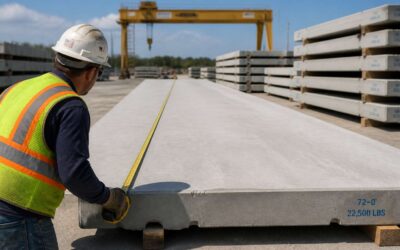
When it comes to designing a precast concrete jersey barrier, precision is king. These barriers are not one-size-fits-all; they come in a variety of standard dimensions tailored for maximum efficiency and safety on South African roads and construction sites. Typically, a precast concrete jersey barrier measures about 3.6 meters in length, 0.45 meters in width, and stands roughly 0.75 meters tall. Weights can vary, but most weigh around 3,000 kilograms, making them heavy enough to stay put during gusty South African winds or minor collisions—without turning into projectiles!
Standard specifications ensure that each precast concrete jersey barrier performs reliably, whether used for lane separation or temporary roadside safety. These barriers are engineered to withstand impact forces, meeting or exceeding local safety standards. For those seeking flexibility, modular precast concrete jersey barriers can be arranged in various configurations, making them a versatile choice for traffic management, construction zones, and event security. With their robust design, these barriers are the unsung heroes of South Africa’s road safety arsenal—standing firm, come rain or shine!
Colors and Markings – Visibility and compliance standards
When it comes to designing a precast concrete jersey barrier, visibility isn’t just a courtesy—it’s a necessity. Bright colors and clear markings transform these sturdy giants from mere physical barriers into effective safety tools that demand attention. South African roads and construction sites require standards that ensure every barrier is easily seen, even in low light or adverse weather conditions. The goal? Minimize accidents and maximize clarity for drivers and pedestrians alike.
Typically, a precast concrete jersey barrier features vibrant hues like high-visibility yellow, orange, or white, complemented by reflective markings that glow in the dark. These markings are often made from retroreflective tape or paint, meeting strict compliance standards. To further enhance safety, some barriers incorporate bold striping patterns or warning symbols, making them unmistakably identifiable on busy highways or crowded construction zones.
In South Africa, safety regulations mandate specific visibility and color schemes for precast concrete jersey barriers to ensure they not only meet local standards but also serve their purpose effectively. For compliance, barrier producers often provide detailed specifications, including:
- Color codes aligned with safety standards
- Reflective markings for night visibility
- Durable paint that withstands South Africa’s sun and rain
By adhering to these specifications, precast concrete jersey barriers become more than just physical dividers—they are integral to traffic management, crowd control, and roadside safety. After all, a barrier that’s seen is a barrier that works!
Interlocking Features – Ensuring stability and ease of connection
Design and specifications of a precast concrete jersey barrier are critical to its performance. One of the key features is the interlocking system, which ensures stability during installation and use. These interlocking features allow for quick assembly and secure connections, reducing downtime and labor costs on busy construction sites or road projects.
Typically, precast concrete jersey barriers are manufactured with precise connection points. These may include tongue-and-groove or slot-and-pin designs that facilitate seamless linking. Such features are engineered to withstand the impact forces encountered in traffic management and roadside safety, especially in South Africa’s varied climate conditions.
For enhanced safety and ease of handling, the barriers often include:
- Standardized connection dimensions
- Reinforced locking mechanisms
- Durable materials that resist weathering and wear
These specifications are meticulously designed to deliver robust performance, ensuring the precast concrete jersey barrier remains stable, even under heavy traffic loads or adverse weather. The natural ease of connection combined with high stability makes these barriers the go-to choice for highway lane separation, crowd control, and construction zone safety in South Africa. After all, a well-designed barrier is a barrier that truly works.
Customization Options – Shapes, sizes, and branding
When it comes to safety and functionality, the design and specifications of a precast concrete jersey barrier are nothing short of artistry. These barriers are crafted with customization in mind, allowing for a harmonious blend of shape, size, and branding that seamlessly aligns with project needs. Imagine a barrier that not only protects but also tells a story—whether through vibrant colors or branded markings that enhance visibility and corporate identity.
For those seeking tailored solutions, options abound. You can choose from various shapes and sizes to suit specific road conditions or construction zones. Additionally, branding elements such as logos or reflective markings can be integrated into the surface, making each barrier uniquely identifiable. Here’s a glimpse of what customization might include:
- Shapes—straight, curved, or modular configurations
- Sizes—standard or bespoke dimensions for specialized applications
- Colors and markings—high-visibility finishes that meet South Africa’s safety standards
Such versatility ensures that a precast concrete jersey barrier not only functions as a robust safety device but also complements the environment it protects. The ability to adapt shapes and sizes elevates the barrier from a mere safety measure to a versatile asset for traffic management, crowd control, or event security. Truly, each barrier can be a canvas—an expression of both safety and style in the landscape of South African roads and construction sites. After all, a well-designed barrier is a barrier that truly works—beautifully and effectively.
Manufacturing Process of Precast Concrete Jersey Barriers
Material Selection – Concrete mixes and reinforcement
When it comes to manufacturing a *precast concrete jersey barrier* that combines durability with precision, material selection is paramount. South Africa’s construction industry demands concrete mixes that not only withstand the rigors of traffic and weather but also maintain their integrity over time. This is where the artistry of selecting the right concrete mix truly shines. A well-designed concrete mix for a *precast concrete jersey barrier* typically features a balanced blend of cement, aggregates, and water, ensuring optimal strength and workability.
Reinforcement plays a crucial role in enhancing the barrier’s impact resistance. Steel reinforcement bars or mesh are embedded within the precast concrete to improve tensile strength and prevent cracking under stress. Here, careful consideration is given to the type of reinforcement, ensuring it aligns with local standards and environmental conditions. The manufacturing process often follows a sequence such as:
- Mixing the concrete components thoroughly to achieve a uniform consistency.
- Pouring the mixture into custom molds designed to exact specifications.
- Adding reinforcement and ensuring proper placement within the mold.
- Allowing the barrier to cure under controlled conditions for optimal strength development.
By meticulously selecting the concrete mix and reinforcement materials, manufacturers guarantee that each *precast concrete jersey barrier* is resilient, reliable, and ready to serve as a steadfast guardian of traffic safety and roadside security across South Africa’s diverse landscapes.
Molding and Casting – Manufacturing steps
The manufacturing process of a *precast concrete jersey barrier* is a meticulous dance of precision and craftsmanship, ensuring each unit meets the highest standards of safety and durability. It begins with the careful mixing of concrete components—cement, aggregates, and water—crafted to achieve the perfect balance of strength and workability. This mixture is then poured into meticulously designed molds that replicate the barrier’s distinct shape and dimensions, vital for seamless roadside safety.
Once poured, reinforcement is strategically embedded within the concrete. Steel bars or mesh are positioned to enhance impact resistance, ensuring the barrier withstands the rigors of traffic and weather over time. The process often involves the following steps:
- Thorough mixing for uniform consistency
- Pouring into custom molds with precise specifications
- Placement of reinforcement to prevent cracking
- Controlled curing to develop optimal strength
After curing, the precast concrete jersey barrier is carefully demolded, inspected, and prepared for transportation. This manufacturing sequence guarantees a resilient, reliable barrier that acts as a steadfast guardian of traffic safety in South Africa’s complex roadway environment. With each step carefully executed, the end product embodies durability, ease of installation, and versatility—hallmarks of superior traffic management solutions.
Curing and Quality Control – Ensuring strength and durability
The manufacturing process of a precast concrete jersey barrier is where craftsmanship meets engineering prowess—transforming raw materials into a formidable roadside sentinel. After the molding and casting stages, the critical phase of curing kicks in, ensuring each barrier reaches its peak strength and durability. Proper curing isn’t just about patience; it’s about chemically activating the concrete to create a resilient product capable of withstanding South Africa’s demanding traffic conditions.
To guarantee top-tier quality, manufacturers employ meticulous quality control measures throughout this phase. This includes regular inspections and testing for compressive strength, surface integrity, and reinforcement placement. An often overlooked but vital step involves controlled curing, which may involve moist curing methods or steam curing to prevent cracking and enhance long-term performance.
In addition, many producers utilize a
- rigorous inspection checklist
- testing protocol
to verify each precast concrete jersey barrier meets strict safety standards. This comprehensive approach not only ensures impact resistance but also prolongs the lifespan of the barrier—making it a reliable choice for traffic management and roadside safety in South Africa’s diverse environment.
Transportation and Installation – Logistics for delivery and setup
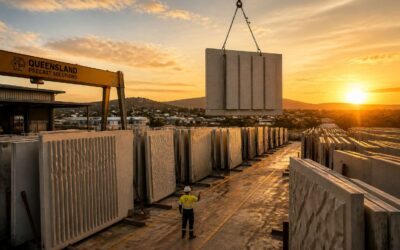
Transporting a precast concrete jersey barrier from the production line to its designated location is a delicate ballet of logistics and precision. The journey begins with careful planning, ensuring that each barrier’s size, weight, and shape align with the logistical constraints of South Africa’s diverse infrastructure. Given their substantial mass—often exceeding several tons—specialized equipment such as flatbed trucks and heavy-duty cranes are essential. Proper securing during transit not only prevents damage but also guarantees safety on the road, especially across varying terrains and traffic conditions.
Once the barriers arrive at their installation site, the setup phase demands meticulous coordination. An efficient deployment hinges on precise placement to uphold stability and impact resistance. For temporary applications, such as construction zones or event security, quick assembly is vital, and interlocking features of the precast concrete jersey barrier facilitate rapid connection without sacrificing safety. The entire process exemplifies a synergy of engineering finesse and logistical mastery, ensuring the barriers serve their purpose effectively while minimizing disruption to traffic flow.
Comparing Precast Concrete Jersey Barriers with Other Types
Compared to Metal Barriers – Advantages and disadvantages
When comparing precast concrete jersey barriers to other types of traffic barriers, such as metal barriers, the differences in safety, durability, and long-term costs become quite evident. Metal barriers, often favored for their lightweight nature and ease of installation, tend to be less resistant to weather elements, especially in the South African climate where exposure to moisture and extreme temperatures can accelerate corrosion. In contrast, precast concrete jersey barriers offer superior impact resistance, providing a safer environment for both motorists and workers alike.
One notable advantage of precast concrete jersey barriers is their robustness. They are designed to withstand substantial impacts without deforming, which significantly enhances crashworthiness. However, this strength comes with a trade-off: heavier weight makes transportation and installation more challenging and potentially more costly upfront. But, when considering the lifespan and reduced maintenance needs, the initial investment often pays dividends in the long run. Additionally, precast concrete jersey barriers can be customized in shape and size, boosting their versatility for various applications—from highway construction to crowd control at large events.
Compared to Waste Barriers – Cost, durability, and safety
When comparing precast concrete jersey barriers to waste barriers, the distinctions in cost, durability, and safety are profound. Waste barriers, often constructed from lightweight materials like plastic or metal, tend to be more affordable initially but may fall short in resilience and long-term performance. In contrast, precast concrete jersey barriers are engineered for endurance, offering unparalleled strength that ensures safety even amidst high-impact collisions. Their robust composition makes them an ideal choice for demanding environments where safety cannot be compromised.
While waste barriers may be easier and cheaper to deploy, their susceptibility to weathering and degradation in South Africa’s climate can lead to frequent replacements and higher maintenance costs. Precast concrete jersey barriers, however, boast a lifespan that far exceeds lighter alternatives, reducing the total cost of ownership over time. Their weight, often seen as a logistical hurdle, actually enhances stability and crashworthiness, providing peace of mind for road authorities and construction teams alike.
- Superior impact resistance
- Enhanced longevity with minimal upkeep
- Customizable shapes and sizes for diverse applications
In essence, precast concrete jersey barriers deliver a compelling balance of safety and durability, making them the premier solution for traffic management, construction zones, and perimeter security across South Africa. Though the initial investment may be higher, their resilience and low maintenance demands make them a cost-effective choice that stands the test of time.
Permanent vs. Temporary Barriers – Use case distinctions
In the realm of traffic safety and construction management, the debate between permanent and temporary barriers often hinges on context and purpose. Precast concrete jersey barriers exemplify this dichotomy—embodying durability and stability while serving as versatile solutions. Their robust composition makes them the preferred choice for long-term applications, where resilience against the elements and impact is non-negotiable. Conversely, temporary barriers—such as metal or plastic variants—offer quick deployment and cost advantages but falter in endurance and safety over time.
For projects demanding unwavering stability—be it highway delineation, perimeter security, or crowd control—precast concrete jersey barriers stand out. Their weight and manufacturing precision ensure they remain steadfast against weathering and high-impact collisions. While temporary barriers may suffice during short-term events or low-risk zones, the lifespan and safety assurance offered by precast concrete jersey barriers justify their higher initial investment, especially in South Africa’s unpredictable climate.
Maintenance and Longevity
Cleaning Procedures – Keeping barriers visually clear
Maintaining the integrity of a precast concrete jersey barrier is essential for its longevity and safety performance. Regular cleaning not only preserves its visual clarity but also prevents the buildup of dirt, grime, and pollutants that can weaken the surface over time. A simple routine involves rinsing with water and mild detergent to remove surface contaminants. For stubborn stains or graffiti, specialized cleaning agents designed for concrete can be used without damaging the material.
Longevity is largely dependent on proper upkeep. It’s crucial to inspect the barriers periodically for cracks or chips, which could compromise their impact resistance. Addressing minor damages early with appropriate repairs can extend their lifespan significantly. Weather conditions in South Africa, such as intense sun or heavy rain, might accelerate wear, so protective coatings or sealants are often recommended. These coatings act as a barrier, shielding the precast concrete jersey barrier from environmental factors and maintaining its durability for years to come.
- Routine pressure washing
- Inspection for cracks or chips
- Application of protective sealants
- Prompt repairs of damages
Inspection and Repairs – Routine checks for damages
Regular inspection of precast concrete jersey barriers is crucial for maintaining their impact resistance and safety standards. Over time, even the most durable barriers can develop cracks or chips, especially under South Africa’s harsh weather conditions—think blazing sun and heavy rains—that accelerate wear and tear. Spotting damage early can prevent minor issues from escalating into costly replacements or safety hazards.
Implementing a routine maintenance schedule involves thorough visual checks and tactile inspections. Pay close attention to signs of surface deterioration or structural compromise. For minor damage, prompt repairs—such as filling cracks or replacing damaged sections—can vastly extend the lifespan of your precast concrete jersey barrier. Protecting these barriers with high-quality sealants offers an extra layer of defense against the elements, ensuring they retain their integrity for years to come.
- Conduct regular visual inspections for cracks, chips, or surface spalling.
- Address minor damages immediately to prevent escalation.
- Apply protective sealants periodically to shield against environmental stressors.
- Keep detailed records of inspections and repairs for ongoing maintenance planning.
Investing in routine checks and timely repairs not only prolongs the life of your precast concrete jersey barriers but also guarantees consistent safety and performance—an absolute necessity for traffic management, construction zones, and perimeter security across South Africa’s diverse terrains.
Shelf Life and Replacement – Longevity expectations and lifecycle management
The lifespan of a precast concrete jersey barrier is a testament to its resilience, yet even the most stalwart guardians of traffic safety are not immune to the passage of time. In South Africa’s unforgiving climate—where scorching sun, relentless rains, and fluctuating temperatures reign supreme—the longevity of these barriers hinges on meticulous lifecycle management. Proper maintenance transforms a simple barrier into an enduring sentinel, capable of withstanding the brutal elements for decades.
On average, a well-cared-for precast concrete jersey barrier can serve upwards of 20 years, but this is only possible with vigilant oversight. Regular inspections—focusing on structural integrity and surface condition—are essential. Keep an eye out for signs of spalling, cracking, or chips, which, if neglected, could compromise safety and necessitate premature replacement. To extend the life of your barriers, periodic application of high-quality sealants can shield against moisture ingress and environmental stressors.
- Assess the structural condition during routine inspections.
- Address minor damages without delay to prevent escalation.
- Implement a schedule for re-coating with protective sealants.
When the inevitable approach of deterioration occurs, replacement becomes a necessity. However, understanding the lifecycle of your precast concrete jersey barrier allows for strategic planning—saving costs and ensuring uncompromised safety across South Africa’s diverse terrains. The durability and strength of these barriers are not just feats of engineering; they are a promise of safety that endures through the ages, if tended to with care and precision.
Buying and Installing Precast Concrete Jersey Barriers
Selecting a Supplier – Factors to consider
When it comes to buying and installing a precast concrete jersey barrier, selecting the right supplier can make all the difference between a smooth traffic flow and a chaotic bottleneck. With so many options flooding the market, how do you ensure you’re investing in quality? It all boils down to a few critical factors—think durability, manufacturing standards, and supplier reputation.
In South Africa, a top-notch supplier will offer a variety of precast concrete jersey barriers tailored to your specific needs. From temporary traffic control to permanent roadside safety, choosing an experienced provider guarantees that your barriers will meet all safety standards and withstand the unpredictable whims of weather and impact.
Consider asking potential suppliers about their manufacturing process, material quality, and delivery logistics. After all, a precast concrete jersey barrier isn’t just a bulky piece of concrete; it’s a vital component of your safety infrastructure. Prioritize vendors who emphasize quality control and customization options—these barriers aren’t one-size-fits-all, after all!
Pricing and Quotes – Budget planning
When it comes to acquiring a precast concrete jersey barrier, understanding the intricacies of pricing and obtaining accurate quotes is essential for prudent budget planning. These barriers, vital for traffic management and safety, come in a range of specifications that influence their cost. Factors such as size, material quality, and customization options all play a pivotal role in determining the final investment. In South Africa, engaging with reputable suppliers who provide transparent pricing ensures you are not caught off guard by hidden fees or inflated costs.
To streamline your procurement process, consider requesting detailed quotes that break down costs into core components—materials, manufacturing, transportation, and installation. This approach not only clarifies what you’re paying for but also highlights areas where cost efficiencies can be achieved. For larger projects, it’s wise to explore volume discounts or package deals that can significantly reduce overall expenditure.
- Compare multiple supplier quotations to gauge market rates and identify the most competitive options.
- Ask about potential additional charges for customization, delivery, or installation services.
- Factor in the long-term benefits of investing in high-quality precast concrete jersey barriers, which often translate into lower maintenance and replacement costs over time.
Ultimately, securing a fair price for these vital safety structures involves more than just the sticker price. It’s about partnering with a supplier who values transparency, quality, and reliability—ensuring your budget aligns seamlessly with your project’s safety and durability requirements. After all, a well-priced precast concrete jersey barrier isn’t just an expense; it’s an investment in the safety and efficiency of your traffic control infrastructure.
Installation Guidelines – Best practices for setup
Installing a precast concrete jersey barrier is more than just positioning heavy blocks along a roadway; it’s a carefully orchestrated process that ensures maximum safety and stability. Proper setup not only prolongs the lifespan of these robust safety structures but also guarantees their effectiveness in traffic management. When planning for installation, attention to detail can make all the difference in avoiding costly mistakes and ensuring compliance with safety standards.
Before installation begins, thorough site assessment is crucial. Clear the area of debris and ensure the ground is level to support the weight of the precast concrete jersey barrier. For optimal stability, consider the following best practices:
- Use appropriate lifting equipment and techniques to prevent damage during placement.
- Align barriers precisely to maintain seamless lane separation and roadside security.
- Secure interlocking features to enhance stability, especially in high-traffic zones.
For large-scale projects, a methodical approach can streamline the setup process:
- Plan the layout and mark positions accurately.
- Transport barriers carefully, avoiding unnecessary jostling or impact.
- Install barriers in sequence, ensuring each unit connects securely with its neighbor.
Proper installation of a precast concrete jersey barrier is vital for its long-term performance, safety, and the overall success of traffic control measures. When executed with precision and adherence to best practices, these barriers become a formidable line of defense—protecting lives and infrastructure alike.
Safety Compliance – Standards and regulations
Ensuring safety compliance when buying and installing a precast concrete jersey barrier is not merely a procedural step—it’s a legal and moral imperative. In South Africa, adherence to regional standards and regulations guarantees that these formidable safety structures function effectively, safeguarding both motorists and infrastructure. Non-compliance can lead to costly penalties and compromise the integrity of traffic management systems.
When selecting a precast concrete jersey barrier, it’s vital to verify that the product conforms to South African standards such as SANS 10400 or other relevant codes. These standards specify requirements for impact resistance, durability, and installation practices. Always request documentation that confirms the barriers meet these strict safety regulations, and work with suppliers who have a proven track record of compliance and quality assurance.
In the installation phase, rigorous adherence to safety standards is crucial. Proper handling techniques—using appropriate lifting equipment and ensuring correct placement—prevent damages that could weaken the barrier’s crashworthiness. A systematic approach, often involving detailed site assessments and precise layout planning, ensures the precast concrete jersey barriers are positioned securely, providing optimal crash attenuation and roadside protection.
In South Africa, regulatory frameworks may also mandate specific markings or reflective features on precast concrete jersey barriers to enhance visibility during night hours or adverse weather conditions. Incorporating these requirements not only complies with safety standards but also amplifies the barriers’ effectiveness in high-traffic zones.
Ultimately, buying and installing a precast concrete jersey barrier with strict regard for safety compliance elevates roadside security and minimizes risks. It transforms these robust structures from mere concrete blocks into vital components of a comprehensive traffic safety strategy—each one meticulously crafted and correctly placed to serve their purpose for years to come.
Environmental and Sustainability Considerations
Recycled Materials – Use of eco-friendly components
Environmental responsibility is reshaping how we approach construction materials, and precast concrete jersey barriers are no exception. As urban areas expand and traffic density increases, the demand for eco-friendly solutions grows. Incorporating recycled materials into the production of precast concrete jersey barriers significantly reduces landfill waste and conserves natural resources. This sustainable practice not only lowers the carbon footprint but also aligns with global efforts to combat climate change.
Many manufacturers now utilize recycled aggregates and industrial by-products like fly ash or slag in their concrete mixes. These components enhance durability while promoting environmental stewardship. For example, using recycled materials in precast concrete jersey barriers can cut down on virgin resource extraction by up to 30%, making them a greener alternative for traffic safety and roadside management.
- Recycling concrete debris from demolition sites
- Utilizing waste materials from manufacturing processes
- Reducing overall energy consumption during production
By prioritizing eco-friendly components, the industry advances toward a more sustainable future without compromising the strength and performance of precast concrete jersey barriers. This approach ensures safety and durability while respecting ecological boundaries, making them an ideal choice for environmentally conscious projects across South Africa.
Life Cycle Impact – Environmental footprint analysis
In a world racing against ecological clock, the environmental footprint of construction materials demands urgent scrutiny. Precast concrete jersey barriers are no longer just sturdy safety fixtures; they are evolving into symbols of sustainability. Life cycle impact assessments reveal that these barriers, when produced with recycled materials, significantly diminish environmental harm. By analyzing their entire lifespan—from raw material extraction to end-of-life disposal—manufacturers can pinpoint opportunities to reduce carbon emissions and conserve natural resources.
Innovative eco-conscious practices include recycling concrete debris from demolition sites and utilizing industrial by-products like fly ash or slag. These measures not only cut down on waste but also improve the durability and resilience of precast concrete jersey barriers, ensuring they stand the test of time. Incorporating recycled aggregates during manufacturing can reduce the environmental footprint by up to 30%. As South Africa’s infrastructure projects grow more ambitious, the push for greener solutions in traffic safety barriers becomes more critical than ever.
- Reduce virgin resource extraction
- Lower energy consumption during production
- Minimize landfill waste through recycling
Such efforts are vital in balancing safety, performance, and ecological responsibility. When considering the full life cycle impact, precast concrete jersey barriers emerge as a sustainable choice—combining durability with an unwavering commitment to protecting our environment. This approach ensures that each barrier not only safeguards road users but also champions a more sustainable future across South Africa.
Reusability and Recycling – End-of-life options
As South Africa accelerates its infrastructure development, the conversation around sustainability in construction has become more urgent than ever. Precast concrete jersey barriers are now at the forefront of this shift, embodying not just safety and durability but also environmental responsibility. Their end-of-life options are a testament to their eco-conscious design, offering tangible benefits for a greener future.
Reusability is a key feature of precast concrete jersey barriers, enabling them to be relocated and repurposed across various projects. When their lifespan concludes, these barriers can be recycled into new construction materials, significantly reducing waste and conserving natural resources. Recycling initiatives often involve crushing old barriers into recycled aggregates that can be seamlessly integrated into new concrete mixes.
In fact, incorporating recycled materials during manufacturing can lower the environmental footprint of precast concrete jersey barriers by up to 30%. This not only aligns with South Africa’s growing emphasis on sustainable construction but also minimizes landfill waste. The process ensures that every barrier contributes to a cycle of reuse, exemplifying a commitment to ecological stewardship.
Such thoughtful end-of-life management underscores the importance of sustainable practices in traffic safety infrastructure. By choosing precast concrete jersey barriers with robust recycling options, stakeholders support a resilient, environmentally friendly approach—one that champions durability without compromising our planet’s health.
0 Comments