
Understanding Precast Slabs in Generator Installations
Definition of Precast Slabs – Explaining what precast slabs are and their typical uses
In the shadowed corners of construction, where practicality meets a whisper of permanence, precast slabs emerge as silent guardians. These formidable panels, cast off-site with meticulous precision, serve as the backbone for robust generator foundations. Their purpose transcends mere support; they embody resilience, crafted to withstand the relentless march of time and the tumult of South Africa’s unpredictable climate.
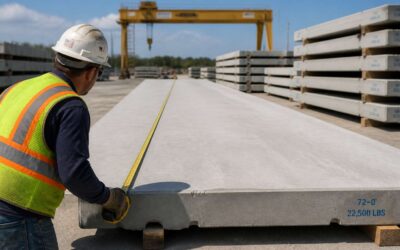
Understanding precast slabs in generator installations reveals a world where strength and efficiency converge. Typically, these precast slabs are designed with reinforced concrete, offering a seamless blend of durability and ease of installation. They provide a stable, level surface—an essential element in ensuring the generator’s silent, dependable operation amidst the chaos of power demands.
In the realm of generator infrastructure, the precast slab for generator is not just a foundation but a symbol of engineering precision. Its ability to be manufactured off-site and swiftly installed on-site reduces downtime and ensures a fortress of stability for vital power equipment.
Benefits of Using Precast Slabs – Highlighting durability, quick installation, and cost-effectiveness
In the world of generator installation, choosing the right foundation isn’t just about avoiding a future catastrophe—though, let’s face it, a shaky base can turn a reliable power source into a costly paperweight. Precast slabs for generators are the unsung heroes of this saga, offering a sturdy, no-nonsense solution that saves both time and money. With South Africa’s unpredictable weather patterns, durability isn’t optional; it’s a necessity. The precast slab for generator provides that rock-solid support, ensuring your power plant remains steadfast through storms, heatwaves, and the occasional power surge.
One of the standout benefits of using precast slabs for generator foundations is their quick installation. Off-site manufacturing means these slabs are ready to roll when your project kicks off, significantly reducing downtime. This efficiency is a game-changer, especially in urgent scenarios where every minute of power outage can cost thousands. Plus, the cost-effectiveness of precast slabs is nothing short of impressive—less labour, fewer delays, and minimal on-site disruption all contribute to a leaner, cleaner project timeline.
Durability is at the heart of the precast slab for generator. Crafted from reinforced concrete, these slabs are engineered to withstand the relentless march of time and South Africa’s harsh environmental conditions. Whether it’s extreme heat or sudden downpours, their resilience ensures your generator remains securely anchored, ready to deliver power whenever you need it. And if you’re counting on a reliable, long-lasting foundation, precast slabs are undeniably the way to go.
Role in Generator Foundations – How precast slabs support and contain generators
In the realm of generator installations, the foundation is the silent guardian that dictates the lifespan and performance of your power source. The precast slab for generator plays a pivotal role in this unseen architecture, offering a stable and resilient platform that withstands South Africa’s capricious climate. These slabs are meticulously crafted off-site, engineered to contain and support heavy machinery, ensuring the generator remains steadfast amid shifting ground and environmental stressors.
Supporting the weight of a generator isn’t merely about bearing load; it’s about creating an environment where the machinery can operate flawlessly. The precast slab for generator is designed with reinforced concrete, providing a robust containment that limits vibrations and prevents settling over time. To enhance stability, these slabs often feature embedded steel reinforcements and precise dimensions tailored to the generator’s size and weight.
By integrating a precast slab into the foundation, you effectively create a seamless interface between the ground and the generator. This not only anchors the equipment securely but also simplifies maintenance and future upgrades. In essence, the precast slab for generator transforms a simple foundation into a fortress of reliability, ensuring uninterrupted power delivery no matter the environmental challenge.
Types of Precast Slabs Suitable for Generators
Standard Precast Concrete Slabs – Features and applications
In the realm of heavy-duty infrastructure, the choice of precast slabs for generator foundations is not merely practical—it’s strategic. Among the diverse options, standard precast concrete slabs stand out for their robustness and versatility, tailored specifically to meet the rigorous demands of South Africa’s dynamic industrial landscape. These slabs, with their impeccable strength and uniformity, provide an unshakeable base that withstands the vibrations and weight of large generators, ensuring long-term stability.
What makes standard precast concrete slabs especially suitable for generator applications is their ability to be customized for specific load-bearing requirements. Their precise manufacturing process guarantees consistent quality, which translates into faster installation times and minimized downtime. For those seeking optimal durability, the features of these precast slabs—such as high compressive strength and resistance to environmental factors—are invaluable. They serve not only as foundation blocks but as integral components in the overall resilience of power generation systems.
Reinforced Precast Slabs – Enhanced strength for heavy-duty generators
In the shadowed corridors of industrial strength, reinforced precast slabs emerge as the silent guardians of power. These slabs, forged with a web of steel reinforcement, elevate the humble precast slab for generator into an indomitable fortress capable of bearing the relentless weight and vibrations of heavy-duty machinery. Their enhanced strength is not merely a matter of thickness but a symphony of materials intricately woven to resist the relentless assault of time and environment.
For those who demand unwavering reliability, reinforced precast slabs stand as a testament to resilience. Their structural integrity ensures that no tremor or strain can shatter the foundation beneath a generator—an essential trait in South Africa’s volatile climate and rugged terrain. The precision in manufacturing guarantees a seamless fit, reducing installation time and minimizing downtime—critical factors in maintaining the pulse of industry’s heartbeat.
Within the realm of precast slab for generator applications, the choice of reinforced variants often hinges on their ability to withstand the chaos of operational stress. These slabs are not mere supports; they are the backbone of power systems, whispering silent promises of durability and unwavering stability amidst the darkness of uncertainty.
Customized Precast Solutions – Tailored slabs for specific generator sizes and site conditions
In the rugged landscapes of South Africa, where every watt counts, selecting the perfect precast slab for generator applications can feel like uncovering a hidden treasure. Customization is key—each site presents unique challenges, from uneven terrains to space constraints, demanding tailored solutions. Fortunately, the world of precast slabs offers a versatile array of options designed to meet these specific needs.
For varied generator sizes and demanding environments, custom precast solutions provide unmatched reliability. These slabs can be engineered with particular dimensions, reinforcement details, and surface finishes to ensure they withstand operational stresses. Whether you need a compact slab for a small generator or a reinforced, heavy-duty platform for industrial power units, customized precast slabs deliver precision and strength where it matters most.
- Size-specific precast slabs crafted to match generator dimensions
- Site-adapted designs to handle uneven or rugged terrain
- Reinforced variants tailored for high-vibration environments
Each of these bespoke precast slabs becomes an integral part of a resilient foundation, seamlessly aligning with the generator’s operational demands. When it comes to powering South Africa’s industries and communities, choosing the right precast slab for generator installation isn’t just about support—it’s about forging a lasting partnership with durability and precision at its core.
Design Considerations for Precast Slab for Generator
Load-Bearing Capacity – Ensuring the slab can support the generator’s weight
In the shadowed corridors of power, where silence reigns and the hum of a generator is the only sign of life, the strength of a precast slab for generator becomes a silent guardian. The load-bearing capacity of this slab must be meticulously crafted, a feat of engineering that balances strength with resilience. Without this, the weight of the generator—sometimes exceeding several tonnes—could spell disaster, causing cracks, shifts, or even catastrophic failure beneath the darkness.
To ensure unwavering support, designers often incorporate reinforced precast slabs, embedding steel within to bolster endurance against the relentless forces of gravity and vibration. The choice of materials and thickness isn’t arbitrary but a calculated act, considering the weight, site conditions, and future expansion needs. In this dance of structural integrity, a carefully designed precast slab for generator is paramount, transforming a simple foundation into a fortress that withstands time’s relentless march. After all, in the realm of generators, the foundation is the unseen yet vital heartbeat of reliability.
Size and Dimensions – Matching the slab size to generator specifications
In the realm of power resilience, precision is paramount—especially when it comes to the design of a precast slab for generator. Every watt of energy depends on a foundation that can support not just the weight but the vibrations and environmental stresses that come with heavy-duty operation. The size and dimensions of this slab are not arbitrary; they are meticulously tailored to match the generator’s specifications, ensuring seamless integration and optimal performance.
Matching the precast slab for generator to the unit’s exact requirements involves careful consideration of several factors. The length, width, and thickness must reflect the generator’s footprint, while also accounting for future expansion or additional equipment. For example, a generator with a larger base demands a precast slab that extends beyond its footprint, providing stability and ease of installation. This tailored approach guarantees durability and minimizes the risk of structural failure.
In some cases, a customized precast solution becomes essential—particularly for unique site conditions or specialized generator models. By leveraging advanced engineering techniques, designers craft slabs that not only support the current load but also anticipate future demands, transforming a simple foundation into a resilient backbone of power infrastructure. The precision in measuring and constructing this slab is what elevates it from mere concrete to a symbol of unwavering reliability in South Africa’s energy landscape.
Drainage and Ventilation – Incorporating features for moisture control and airflow
In the intricate dance of power resilience, the design of a precast slab for generator transcends mere structural necessity—it becomes a vital conduit for longevity and operational integrity. Ensuring optimal drainage and ventilation within this foundation is not just a matter of convenience but a strategic imperative that safeguards against moisture intrusion and environmental degradation. Moisture control, in particular, is paramount; unchecked water ingress can corrode reinforcement and compromise the entire generator setup, leading to costly downtime.
To address these concerns, designers incorporate carefully engineered drainage channels and ventilation openings directly into the precast slab for generator. These features facilitate rapid moisture egress and promote airflow, preventing condensation buildup and temperature fluctuations that could impair generator performance. An effective drainage system may include sloped surfaces or embedded weep holes, ensuring water disperses away from critical components. Likewise, ventilation gaps or louvered vents are positioned to maximize airflow, reducing heat accumulation and fostering a stable operating environment.
In some cases, a layered approach is employed, combining moisture barriers with strategic vent placement—an approach that echoes the complexity of South Africa’s diverse climate zones. A well-designed precast slab also anticipates future needs, allowing for the seamless integration of additional ventilation or drainage enhancements. It’s a testament to meticulous engineering—transforming a simple concrete foundation into a resilient, climate-adaptive backbone of power infrastructure.
Foundation Compatibility – Dimensions and integration with existing foundation elements
When it comes to anchoring a powerhouse of reliability—your generator—the foundation isn’t just a slab of concrete; it’s the unsung hero of durability and seamless operation. And in South Africa’s diverse climate, the compatibility of your precast slab for generator with existing foundation elements can make or break your energy resilience. Precision in dimensions ensures that your generator sits snugly, avoiding the dreaded “wiggle room” that could cause vibrations or misalignment. A precast slab designed with adaptability in mind can seamlessly integrate with pre-existing infrastructure, saving time, money, and unnecessary headaches.
Matching the size and load-bearing capacity of the precast slab to the generator’s specifications is crucial—think of it as tailoring a bespoke suit for your machinery. Oversized slabs may be an overkill, while undersized ones risk structural failure. Incorporating features such as embedded reinforcement or adjustable interface points facilitates smooth integration, especially when dealing with varied foundation elements. After all, a well-constructed precast slab for generator isn’t just about strength; it’s about creating a harmonious relationship between the foundation and the generator, ensuring longevity and optimal performance amidst South Africa’s unpredictable weather patterns.
Installation Process of Precast Slabs for Generators
Site Preparation – Clearing and leveling the installation area
In the grand ballet of establishing a reliable power source, the installation process of a precast slab for generator is often the unsung hero—yet, it demands finesse and precision. Before the first concrete panel is lowered into place, site preparation must be meticulous; this involves clearing the area of debris and ensuring the ground is perfectly level. A flawless foundation is the backbone of a durable setup, preventing future structural woes and ensuring the generator’s longevity.
Once the site is prepped, the actual installation begins. Typically, a crane gently places the precast slab for generator onto a well-compacted base, aligning it with the designated foundation points. To guarantee stability, the slab must be seated with exactitude, often followed by minor adjustments to achieve perfect levelness. The process can be summarized in a simple yet critical step:
- Clear and level the installation area.
- Ensure proper compaction of the substrate.
- Carefully position the precast slab for generator using lifting equipment.
- Verify alignment and levelness before securing.
Precision during these steps is non-negotiable. A well-executed installation not only supports the generator’s weight but also safeguards against uneven settling, which could lead to costly repairs down the line. The beauty of a precast slab for generator is that it streamlines these procedures, allowing for faster, more reliable setup—crucial in South Africa’s dynamic construction landscape.
Lifting and Placement – Using cranes and equipment for secure placement
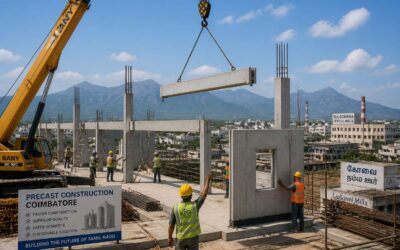
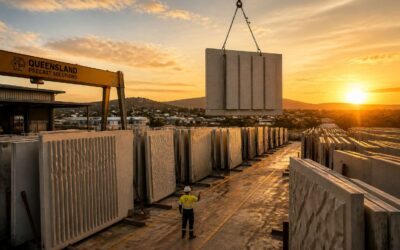
In the intricate dance of establishing a steadfast power station, the lifting and placement of a precast slab for generator stands as a pivotal act—an artful blend of precision and strength. Using towering cranes and specialized lifting equipment, the process transforms from mere logistics into a spectacle of engineering finesse. The crane’s gentle embrace guides the precast slab for generator into its destined position, ensuring every inch aligns with the meticulous blueprint of the site’s foundation.
Once airborne, the slab’s journey continues as it descends onto a well-prepared, compacted base. Here, careful adjustments are made to guarantee perfect levelness, safeguarding the integrity of the entire setup. The beauty of working with a precast slab for generator is that it simplifies this complex choreography, enabling quicker, more reliable installation even within South Africa’s dynamic construction landscape. The harmony between robust equipment and expert handling ensures the generator will sit securely, ready to power through the challenges of tomorrow.
Alignment and Securing – Ensuring proper positioning and fastening
When it comes to installing a precast slab for generator, precision isn’t just a virtue—it’s an absolute necessity. Proper alignment and secure fastening are the backbone of a reliable power setup, especially in South Africa’s unpredictable climate. Misaligned slabs are the stuff of nightmares, leading to uneven load distribution and potential generator damage. That’s why meticulous positioning is key; it’s the difference between a powerhouse and a costly, unstable disaster.
To ensure everything sits just right, experts often employ a combination of laser levels and meticulous measurements. The goal? Achieve perfect horizontal and vertical alignment so the generator sits like a king on its throne. Once aligned, the slab must be firmly secured using high-quality anchors and fastening systems. These elements prevent any shift during operation or seismic activity—think of it as giving your generator a sturdy hug that lasts for decades.
Incorporating a few strategic steps can make all the difference:
- Confirming the slab’s position against site plans and foundation specifications
- Using precision fastening techniques like epoxy bolts or mechanical anchors
- Checking for levelness and making real-time adjustments
This careful process guarantees that the precast slab for generator supports the weight evenly and maintains structural integrity, ultimately safeguarding your investment against South Africa’s rugged terrain and weather surprises. When installation is done right, the result is a powerhouse foundation that’s built to last, ready to power through any challenge with unwavering reliability.
Curing and Inspection – Post-installation checks for integrity and safety
Once the precast slab for generator has been meticulously installed, the journey towards enduring reliability continues with the crucial phase of curing and inspection. This process transforms a mere concrete surface into a fortress of resilience, ready to withstand South Africa’s capricious weather and rugged terrain. During curing, the slab gains strength and durability, as moisture is retained, allowing the concrete’s chemical reactions to reach their full potential. It’s the quiet period where the foundation’s integrity is forged in patience.
Post-installation, a rigorous inspection ensues, ensuring that every detail aligns with safety standards and structural demands. Experts perform thorough checks for cracks, proper load distribution, and surface flatness. An absence of imperfections here is vital—any flaw could ripple into future vulnerabilities. To guarantee unwavering stability, some install a series of high-quality fastening systems and verify alignment with precision tools, ensuring the precast slab for generator supports the weight evenly and remains steadfast against seismic shifts and weather extremes.
Incorporating drainage and ventilation features during inspection is equally vital, as moisture accumulation threatens long-term durability. The process often involves:
- Visual assessment for surface cracks or deformities
- Measuring for levelness and alignment accuracy
- Testing the fastening systems for stability
Only after these meticulous checks can the slab truly earn its place as the bedrock of a power solution—robust, unwavering, and prepared for whatever challenge South Africa’s environment may throw its way. The curing and inspection phase is more than a procedural necessity; it’s the final act in sculpting a foundation that promises decades of dependable service, a testament to precision and craftsmanship in every fiber of its structure.
Advantages of Using Precast Slabs for Generator Foundations
Time and Cost Savings – Reduced construction time and labor costs
In a landscape where efficiency often determines the pace of progress, the utilization of precast slab for generator foundations emerges as a game-changer. The strategic deployment of these prefabricated elements significantly trims down construction timelines, transforming what once took weeks into a matter of days. This accelerated process isn’t just about saving time; it translates into substantial labor cost reductions, an essential factor in today’s competitive market.
The true advantage lies in the precision and quality control inherent to precast slabs. Their consistent dimensions and reinforced strength ensure that heavy-duty generators sit on a foundation designed to support immense loads effortlessly. By opting for a precast slab for generator, project managers can orchestrate a seamless installation, minimizing site disruptions and eliminating the uncertainties often associated with cast-in-place concrete. Ultimately, these slabs foster a resilient, cost-effective solution that aligns with the fast-paced demands of modern infrastructure development.
Quality Control – Manufactured in controlled environments for consistency
In the realm of modern infrastructure, where precision and reliability are paramount, the advantages of using a precast slab for generator foundations become vividly apparent. These meticulously manufactured elements are crafted within controlled environments, ensuring an unprecedented level of consistency that cast-in-place concrete simply cannot match. Such uniformity translates into a foundation that offers unwavering support, critical for heavy-duty generators that demand stability and durability.
The quality control inherent in the production of precast slabs is a cornerstone of their superiority. Every slab undergoes rigorous inspection, guaranteeing optimal reinforcement and dimensional accuracy. This rigorous process eliminates the unpredictability often associated with traditional concrete pouring, reducing the likelihood of cracks or weak spots that could compromise the entire installation. For project managers seeking reliability—especially in demanding South African climates—this aspect of precast slabs offers peace of mind and long-term resilience.
To further exemplify their advantages, consider the following:
- Consistent quality reduces on-site adjustments, saving valuable time and resources.
- Precast slabs are manufactured with precise load-bearing capacities, tailored to support the weight of large generators without risk of failure.
- Incorporating features like integrated drainage and ventilation enhances overall foundation performance, protecting the generator from moisture and overheating.
Ultimately, the precision manufacturing process of the precast slab for generator ensures that each element aligns perfectly with project specifications, fostering seamless installation and enduring performance in the diverse terrains of South Africa. This meticulous approach to quality control not only elevates safety standards but also optimizes operational efficiency—an indispensable asset in today’s fast-paced development landscape.
Durability and Longevity – Resistance to environmental factors
In the rugged landscapes and unpredictable climates of South Africa, the durability and longevity of foundation materials can make all the difference. Precast slabs for generators stand as silent guardians, crafted to withstand the relentless assault of environmental factors. Their resistance to moisture, temperature fluctuations, and ground movement ensures that the foundation remains steadfast over decades of service. Unlike traditional poured concrete, these precast slabs are manufactured with high-quality materials, fortified to endure the harshest conditions.
This resilience translates into fewer maintenance worries and enhanced operational stability. The inherent strength of a precast slab for generator means it can resist cracking, erosion, and other forms of deterioration caused by South Africa’s diverse terrain and climate extremes. As a result, the generator remains secure, protected from the ground up—ready to deliver power whenever needed. The robustness of precast slabs makes them not just a practical choice, but a strategic investment for long-term efficiency and peace of mind.
Versatility and Customization – Adaptable to different site requirements
When it comes to establishing a reliable power source in South Africa’s unpredictable terrain, versatility and customization are the secret ingredients for success. Precast slabs for generators are not just cookie-cutter solutions; they’re adaptable marvels designed to meet diverse site requirements. Whether you’re working on a rugged mine site or a remote rural community, a precast slab for generator can be tailored to fit perfectly. This flexibility means that no matter the size of your generator or the peculiarities of your terrain, there’s a precast solution that’s just right.
What truly sets these precast slabs apart is their ability to be customized with features like drainage channels, ventilation slots, and specific dimensions—making installation smoother and operational stability more assured. For instance, a generator placed on a precast slab with integrated drainage prevents moisture buildup, safeguarding the equipment against South Africa’s seasonal rains and ground moisture. Plus, with pre-engineered load-bearing capacities, you can confidently support heavy-duty generators without fearing cracks or shifts down the line. The result? A foundation that’s as adaptable as it is durable, ensuring your power station remains steadfast amidst South Africa’s diverse climate zones.
Maintenance and Longevity of Precast Slabs in Generator Installations
Routine Inspection – Checking for cracks, moisture, and wear
Routine inspection of your precast slab for generator isn’t just a chore; it’s the secret to extending its lifespan and avoiding costly surprises. Over time, even the mightiest precast slabs can develop cracks, moisture ingress, or wear from the relentless South African sun and heavy machinery. Regular checks help catch these issues early, ensuring the foundation remains solid and reliable.
A quick visual inspection should become part of your maintenance ritual. Look out for hairline cracks that could widen under stress, signs of moisture seeping through, or any surface wear that might compromise structural integrity. Moisture is particularly insidious—it weakens the concrete and invites corrosion, especially in damp or high-humidity environments.
If you notice any irregularities, it’s wise to consult a professional for a more thorough assessment. Remember, a well-maintained precast slab for generator not only guarantees safety but also maximizes the longevity of your generator’s foundation, saving you money and headache in the long run.
Cleaning and Repairs – Maintaining structural integrity over time
In the realm of reliable power solutions, the precast slab for generator stands as a sentinel of durability, silently bearing the weight of South Africa’s relentless sun and unpredictable weather. But even the sturdiest of foundations require tender guardianship to preserve their strength and purpose. Regular cleaning and repairs are the elixirs that sustain the structural integrity of these precast slabs, transforming routine maintenance into an act of safeguarding longevity.
Over time, dust, grime, and moisture can clandestinely infiltrate the surface, compromising the slab’s resilience. A gentle yet thorough cleaning — often with a high-pressure water jet combined with mild detergents — can remove stubborn debris and prevent buildup that accelerates wear. For cracks or surface wear, timely repairs using compatible concrete patches restore the slab’s formidable strength, preventing minor issues from evolving into costly catastrophes. This vigilant care ensures that the precast slab for generator remains an unwavering foundation, ready to support the vital power grid of any facility.
Particularly in environments prone to moisture ingress, applying sealants and ensuring proper drainage can dramatically extend the lifespan of your precast slab. Integrated drainage solutions help divert water away, guarding against weakening and corrosion. Remember, a well-maintained precast slab is not merely a foundation but a fortress—resilient, enduring, and prepared to face the challenges of time and environment head-on!
Protective Coatings – Extending lifespan through sealing and coatings
In the rugged heart of South Africa, where the sun beats relentlessly and storms roll in unannounced, the durability of a precast slab for generator becomes more than just a foundation—it’s a lifeline. These slabs serve as the silent backbone of critical power systems, enduring the harshest environmental conditions with resilience. Yet, even the most robust precast slabs require diligent care to maximize their lifespan and performance.
Protective coatings are essential in shielding the precast slab for generator from moisture ingress, corrosion, and surface wear. Applying high-quality sealants creates a formidable barrier against the South African climate’s unpredictable extremes. This layer not only prevents water penetration but also reduces the risk of cracking and surface deterioration over time. Moreover, incorporating integrated drainage solutions ensures water is diverted away swiftly, safeguarding the slab’s structural integrity.
Routine maintenance, such as periodic inspections for cracks or signs of moisture infiltration, coupled with timely resealing, can significantly extend the lifespan of your precast slab. When repairs are necessary, using compatible patching materials restores strength without compromising durability. Remember, a well-maintained foundation isn’t merely about support; it’s about safeguarding a vital asset—your generator’s reliable operation in even the most challenging conditions.
Monitoring for Shifts and Settling – Ensuring the foundation remains stable
In the rugged terrain of South Africa, where every ounce of stability counts, the longevity of your precast slab for generator isn’t just a matter of durability—it’s a matter of survival. The ground beneath your critical power system must remain unwavering, even when the earth shifts or settles unexpectedly. Regular monitoring becomes your best weapon in catching subtle signs of movement that could compromise the foundation’s integrity.
Over time, shifts and settling can cause cracks or uneven surfaces, jeopardizing the performance of your generator. To safeguard against this, periodic inspections are vital. Look out for visible cracks, uneven edges, or signs of moisture infiltration—each a warning sign that your precast slab for generator may need immediate attention. Incorporating a systematic monitoring schedule allows for early detection, saving you costly repairs and downtime.
- Conduct visual inspections monthly, especially after extreme weather events.
- Use precise leveling tools to detect any minor shifts in the slab’s surface.
- Document findings meticulously to track movement trends over time.
Implementing a proactive maintenance routine ensures your foundation remains steadfast. When issues are identified, timely repairs—such as adding reinforcement or resealing vulnerable spots—can restore the slab’s stability. Remember, a well-maintained precast slab for generator isn’t merely an anchor; it’s the silent guardian of uninterrupted power, enduring South Africa’s unpredictable climate with unwavering resilience.
Choosing the Right Precast Slab Supplier
Quality Certifications – Ensuring compliance with industry standards
Choosing the right precast slab supplier is a decision that can make or break the foundation of your generator installation. In South Africa’s dynamic construction landscape, ensuring your supplier holds robust quality certifications is non-negotiable. These certifications—such as SABS (South African Bureau of Standards) or ISO standards—are the gold standard for compliance with industry benchmarks. They guarantee that the precast slab for generator you select has undergone rigorous testing and quality assurance, delivering durability and safety that lasts.
A trusted supplier with recognized certifications not only assures product integrity but also aligns with environmental and safety regulations, reducing future liabilities. For instance, suppliers who prioritize quality control often provide detailed documentation and traceability, giving peace of mind that your precast slab for generator is manufactured under strict quality standards. This adherence to certification is the silent guardian, ensuring your generator foundation remains stable and resilient against South Africa’s unpredictable weather and ground conditions.
Customization Capabilities – Ability to produce tailored solutions
Choosing the right precast slab supplier is crucial when it comes to ensuring the stability and longevity of your generator foundation. In South Africa’s competitive construction sector, a supplier’s ability to offer customization capabilities can make all the difference. Not all precast slabs are created equal, and tailored solutions often mean the difference between a foundation that endures and one that fails prematurely.
Suppliers with advanced customization capabilities can produce precast slabs that precisely match your generator’s size, weight, and site-specific conditions. This level of precision helps prevent costly adjustments during installation and guarantees optimal load-bearing capacity. Whether you need a reinforced precast slab for heavy-duty generators or specific drainage features to combat moisture issues, a flexible supplier can adapt their manufacturing process accordingly.
When evaluating potential suppliers, consider their ability to deliver bespoke precast slabs that align perfectly with your project’s unique parameters. Such tailored solutions not only streamline installation but also enhance the overall durability and safety of your generator’s foundation. In a landscape where every detail counts, selecting a supplier with robust customization capabilities ensures your investment stands resilient against South Africa’s diverse environmental challenges.
Delivery and Lead Times – Reliable logistics support
In the shadowed corridors of construction logistics, few elements are as vital yet as overlooked as the timeliness of delivery. When erecting a formidable precast slab for generator foundations, delays are more than mere inconveniences—they threaten the very stability of the entire operation. South Africa’s terrain, riddled with unpredictable weather and rugged terrain, demands a supplier whose delivery and lead times are as dependable as a heartbeat in the night.
Choosing a supplier with reliable logistics support can spell the difference between a seamless installation and a harrowing ordeal. An efficient supply chain ensures that your precast slab for generator arrives precisely when needed, reducing downtime and costly hold-ups. To navigate this complex dance of timings, consider suppliers who offer clear timelines and track records of punctuality. Trust in their ability to meet your project’s demanding schedule can safeguard your investment against the chaos of unexpected delays.
For those seeking peace of mind, an ordered approach often involves a straightforward list of steps:
- Confirm the supplier’s ability to meet your project’s specific deadlines.
- Assess their inventory management and stock readiness for rapid dispatch.
- Ensure transparent communication channels for real-time updates on delivery schedules.
Ultimately, the right partner in logistics transforms the daunting task of installing a precast slab for generator into a calculated, controlled process. When every moment counts, dependable lead times are the silent guardians of structural integrity and operational continuity in South Africa’s often unpredictable environment.
Customer Support and Technical Assistance – Expert guidance throughout the project
In the intricate world of construction, choosing the right precast slab for generator foundations can be the difference between a project that hums smoothly and one that stalls unexpectedly. When your generator needs a reliable base, customer support and technical assistance become invaluable. An expert team that understands the nuances of precast slabs ensures your project stays on course, avoiding costly missteps.
Seek out suppliers who offer more than just products; look for those committed to guiding you every step of the way. From initial consultation to final installation, their technical assistance can help tailor solutions specific to your site’s conditions. For example, a supplier with a dedicated support team can provide insights into load-bearing capacity and foundation compatibility, critical factors for supporting heavy-duty generators.
To streamline your decision-making process, consider engaging with suppliers that provide:
- Comprehensive project consultations
- On-site technical evaluations
- Detailed documentation on precast slab specifications
Having access to expert guidance not only safeguards your investment but also ensures the precast slab for generator aligns perfectly with your operational needs. It’s this combination of professional support and tailored solutions that guarantees the structural integrity and longevity of your foundation, especially within South Africa’s challenging terrain.
Case Studies and Examples
Industrial Generator Installations – Success stories highlighting precast slab use
In the vibrant landscape of South African industrial infrastructure, a handful of success stories stand out—testaments to the prowess of precast slabs for generators. One such project involved a bustling mining operation where the installation of a heavy-duty generator was no small feat. By opting for a precast slab for generator, the team expedited the foundation process, reducing downtime significantly. The precision and strength of the precast solution proved invaluable, supporting the immense weight of the generator while resisting the harsh environmental conditions.
Another noteworthy example features a renewable energy plant, where custom-designed precast slabs for generators facilitated rapid deployment in remote locations. The tailored dimensions and reinforced capabilities ensured durability against local climate challenges. These case studies underscore how versatile precast slabs for generators are—adapting seamlessly to diverse site requirements and ensuring long-term operational stability.
Commercial and Residential Projects – Different scales and complexities
Across South Africa’s diverse landscape, from the bustling urban centers to remote rural outposts, the application of precast slabs for generators has revolutionized infrastructure development. These robust, prefabricated solutions bring a level of reliability and efficiency that traditional foundations often lack. In countless projects, the strategic use of precast slabs for generators has transformed how we approach power stability, especially in challenging environments.
For example, in a large-scale commercial development in Johannesburg, a precast slab for generator was pivotal in ensuring swift installation. The project’s tight schedule demanded a foundation that could be installed rapidly without sacrificing strength or durability. The precast slab’s precise manufacturing and reinforced design meant installation was completed days ahead of plan, saving time and reducing costs. Such examples highlight the adaptability of precast slabs for generators, whether for small residential backup systems or large industrial power plants.
In rural communities, where access to skilled labor and construction resources can be limited, custom-designed precast slabs for generators have proven invaluable. These slabs are tailored to specific site conditions, incorporating features like drainage channels and ventilation openings. The result is a resilient foundation that withstands South Africa’s fluctuating weather—hot, dry summers and heavy rains—while supporting the critical power infrastructure necessary for daily life.
Numerous projects also showcase the versatility of precast slabs for generators across different scales. From compact residential units to heavy-duty industrial applications, these slabs can be customized to meet exact specifications. Their inherent load-bearing capacity ensures that even the heaviest generators are securely supported, maintaining operational stability over years of service. This flexibility makes precast slabs an essential component in South Africa’s ongoing infrastructural growth.
Innovative Design Solutions – Unique approaches to foundation challenges
Innovation in foundation design often hinges on the ability to think beyond traditional constraints—especially when dealing with challenging environments or tight project timelines. The case studies surrounding precast slab for generator installations reveal a fascinating tapestry of engineering ingenuity that addresses complex site conditions with elegant simplicity.
One standout example involved a remote mining operation where on-site construction was virtually impossible due to unstable terrain and limited access. Engineers devised a custom precast slab for generator, incorporating drainage channels and ventilation features that catered specifically to the harsh South African climate. This tailored solution not only expedited installation but also enhanced durability, proving that bespoke precast slabs can turn seemingly insurmountable challenges into triumphs.
In urban settings, innovative design solutions often focus on maximizing space and minimizing downtime. For example, a high-rise residential complex in Cape Town utilized a reinforced precast slab for generator that was manufactured off-site and delivered precisely when needed. This approach eliminated the need for prolonged on-site work, saving valuable time and reducing costs—an essential factor in high-stakes developments.
Moreover, the integration of modular precast slabs into existing infrastructure can be achieved through thoughtful engineering. The use of
- customized dimensions
- integrated ventilation
- drainage features
exemplifies how precast slabs are not merely static elements but dynamic components capable of addressing foundation challenges with innovative flair. Such solutions underscore the importance of flexibility and precision in foundation design—ensuring the stability of even the heaviest generators in unpredictable environments.
0 Comments